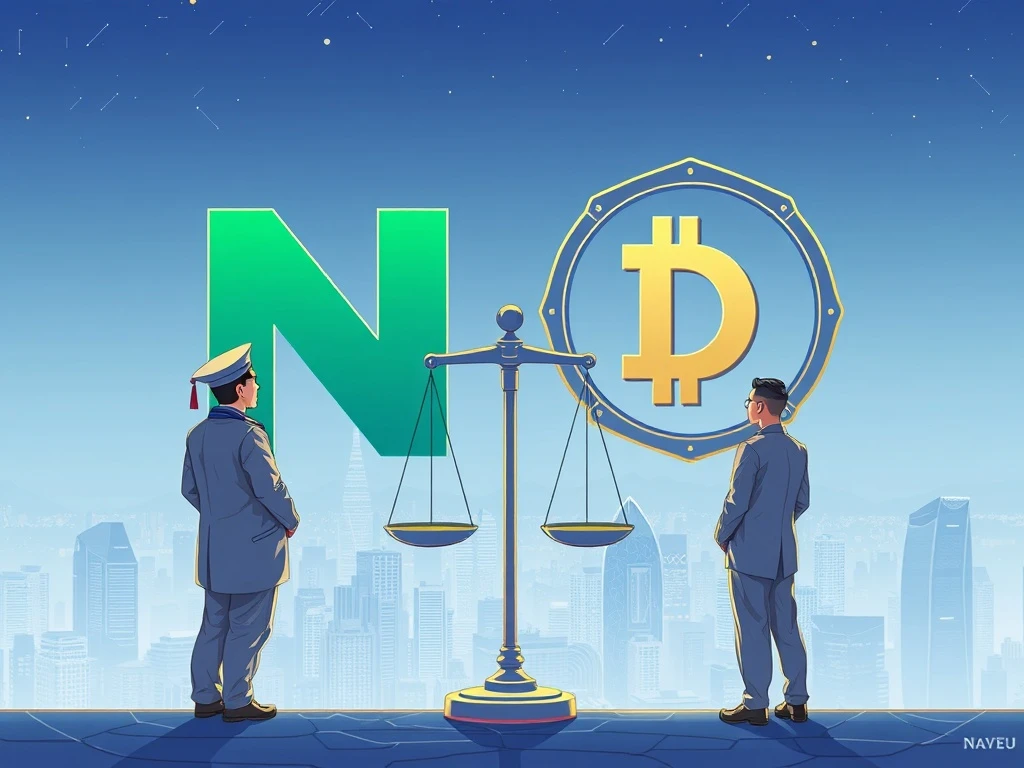
The digital landscape in South Korea is on the brink of a significant transformation. A groundbreaking deal between Naver Financial and Dunamu, a major player in the virtual asset space, is set to fundamentally alter Naver’s core business and its long-standing governance structure. This strategic **Dunamu partnership** signals a bold move towards integrating traditional finance with the burgeoning world of cryptocurrencies, capturing the attention of investors and regulators alike.
Understanding the Strategic Naver Governance Transformation
Naver, often dubbed South Korea’s Google, stands as a technology behemoth. It offers a vast array of services, encompassing search engines, e-commerce, digital payments, and cloud computing. For years, its **Naver governance** has remained relatively stable, guided by its founding principles and a diverse shareholder base. However, recent developments indicate a pivotal shift. This change is not merely an internal reshuffle; rather, it reflects a strategic pivot towards new growth areas, particularly in digital finance and virtual assets.
The Korea Economic Daily reported that a substantial deal between Naver Financial and Dunamu is the catalyst for this anticipated change. This transaction is designed to inject new energy and direction into Naver’s operations. Consequently, the company aims to solidify its position in the rapidly evolving digital economy. This proactive approach suggests Naver is preparing for the future of financial technology.
The Rise of Dunamu and Its Market Influence
Dunamu has rapidly ascended to prominence within the South Korean financial technology sector. It operates Upbit, one of the largest cryptocurrency exchanges in the country. Therefore, Dunamu commands significant influence in the **virtual asset integration** landscape. Its success stems from providing robust and accessible platforms for trading digital currencies. Dunamu has played a crucial role in popularizing cryptocurrencies among South Korean investors. This firm’s expertise in blockchain technology and digital finance makes it an attractive partner for established tech giants.
The proposed deal underscores Dunamu’s growing clout. It also highlights the increasing importance of digital assets in the broader financial ecosystem. As a result, the lines between traditional finance and virtual assets continue to blur. Companies like Dunamu are at the forefront of this convergence. Their innovative solutions are shaping how people interact with money and investments.
Song Chi-hyung: The Emerging Figure in Naver’s Future
A significant outcome of this transaction involves Dunamu Chairman **Song Chi-hyung**. Reports suggest he is poised to become the new largest shareholder of Naver. This development marks a remarkable rise for the entrepreneur. His influence will extend beyond the cryptocurrency realm into one of South Korea’s most iconic technology companies. This shift represents more than just a change in ownership; it signifies a potential new strategic direction for Naver.
Song Chi-hyung’s leadership at Dunamu has demonstrated a keen understanding of digital trends. His vision has propelled Upbit to its leading position. Consequently, his potential role as Naver’s top shareholder could introduce a fresh perspective. This might accelerate Naver’s embrace of blockchain technologies and digital financial services. Stakeholders are closely watching how his strategic insights will shape Naver’s future endeavors. His involvement could unlock new synergies between Naver’s vast user base and Dunamu’s virtual asset expertise.
Navigating South Korea Crypto Regulation Challenges
While the **Dunamu partnership** promises innovation, it also faces significant regulatory scrutiny. A key issue anticipated in the integration talks involves regulations requiring the separation of traditional finance and virtual assets. South Korea’s financial authorities have long maintained a cautious stance on the convergence of these two sectors. They aim to protect investors and maintain financial stability. This principle is designed to prevent conflicts of interest and mitigate systemic risks associated with novel financial products.
An official with South Korea’s financial authorities confirmed that the agency will meticulously review the proposed deal. They will assess whether Naver’s incorporation of Dunamu would violate the separation principle. This regulatory hurdle is not unique to South Korea; many jurisdictions worldwide grapple with similar challenges. Regulators must balance fostering innovation with ensuring consumer protection. The outcome of this review will set an important precedent for future collaborations between traditional firms and crypto entities in the region.
Implications for Virtual Asset Integration and Market Dynamics
The potential integration of Dunamu into Naver’s structure carries profound implications for the broader market. This includes the future of **virtual asset integration** in South Korea. If approved, the deal could pave the way for other traditional companies to deepen their involvement in the crypto space. It might also accelerate the mainstream adoption of digital assets. For instance, Naver’s extensive user base could gain easier access to cryptocurrency services through its integrated platforms. This could significantly expand the reach of virtual assets beyond current dedicated crypto users.
However, the regulatory environment remains a critical factor. The South Korean government has consistently emphasized a robust framework for digital assets. They aim to prevent illicit activities and protect investors. Therefore, any integration must align with these stringent guidelines. The success of this partnership could establish a model for compliant and innovative financial services. It would blend traditional and decentralized finance. This situation presents both opportunities for growth and complex regulatory considerations.
The Broader Landscape: Naver’s Strategic Vision
This deal represents a crucial component of Naver’s long-term strategic vision. The company recognizes the imperative to evolve in a rapidly changing digital economy. By aligning with Dunamu, Naver aims to diversify its revenue streams and enhance its digital offerings. This move positions Naver to capture a larger share of the burgeoning digital finance market. It also allows the company to leverage blockchain technology for various applications beyond simple cryptocurrency trading.
Furthermore, the **Naver governance** shift, with **Song Chi-hyung** potentially at the helm as the largest shareholder, indicates a strong commitment to this new direction. His expertise in the digital asset sector could provide invaluable guidance. This ensures Naver remains competitive and innovative. The strategic alignment could lead to new products and services that bridge the gap between everyday digital life and advanced financial technologies. This includes potential for NFTs, Web3 applications, and decentralized finance (DeFi) integrations within Naver’s ecosystem.
Challenges and Opportunities in a Converging Market
The convergence of traditional tech giants and virtual asset leaders presents both challenges and unparalleled opportunities. On one hand, the regulatory landscape in **South Korea crypto regulation** remains dynamic. Companies must navigate complex compliance requirements. They also face public perception issues related to the volatility of cryptocurrencies. On the other hand, the potential for innovation is immense. Combining Naver’s vast user network and technological infrastructure with Dunamu’s crypto expertise could create powerful new synergies.
This could manifest in several ways:
- Enhanced Payment Solutions: Integrating crypto payments into Naver Pay, offering more diverse transaction options.
- New Investment Products: Providing users with regulated access to digital asset investments directly through Naver’s financial services.
- Blockchain-powered Services: Leveraging blockchain for loyalty programs, digital identity, or secure data management across Naver’s platforms.
- Global Expansion: Potentially exporting these integrated models to other markets, establishing Naver as a global leader in digital finance.
The success of this venture hinges on effective navigation of regulatory hurdles and strategic execution. The outcome will likely influence the future trajectory of digital finance in Asia.
Conclusion: A New Era for Naver and Digital Finance
The proposed deal between Naver Financial and Dunamu marks a defining moment for both companies. It also signals a new era for **Naver governance** and the broader landscape of **virtual asset integration** in South Korea. The potential for **Song Chi-hyung** to become Naver’s largest shareholder underscores a strategic pivot towards digital assets. This move aims to secure Naver’s future relevance in a rapidly evolving technological and financial environment. While **South Korea crypto regulation** presents formidable challenges, the strategic rationale behind this **Dunamu partnership** is clear: to innovate, diversify, and lead.
As financial authorities review the implications, the industry watches with keen interest. The decision will not only shape the future of Naver and Dunamu but also set a crucial precedent for the integration of traditional finance and digital assets across the region. This monumental shift promises to redefine competition and innovation in South Korea’s vibrant digital economy.
Frequently Asked Questions (FAQs)
Q1: What is the primary goal of the deal between Naver Financial and Dunamu?
The primary goal of this strategic **Dunamu partnership** is to transform Naver’s core business and governance structure. It aims to integrate virtual assets and digital finance more deeply into Naver’s extensive service offerings. This move positions Naver for future growth in the evolving digital economy.
Q2: How might Song Chi-hyung’s potential role as Naver’s largest shareholder impact the company?
If **Song Chi-hyung**, Dunamu’s Chairman, becomes Naver’s largest shareholder, it could significantly influence Naver’s strategic direction. His expertise in the virtual asset sector might accelerate Naver’s adoption of blockchain technologies and digital financial services, fostering greater innovation and diversification within the company’s ecosystem.
Q3: What are the main regulatory concerns regarding this integration in South Korea?
The primary regulatory concern revolves around South Korea’s principle requiring the separation of traditional finance and virtual assets. Financial authorities will review whether Naver’s incorporation of Dunamu, a major crypto player, violates this established guideline. This ensures financial stability and consumer protection in the rapidly evolving market.
Q4: What does “virtual asset integration” mean in the context of this deal?
**Virtual asset integration** refers to the blending of cryptocurrency and blockchain-based services into traditional financial and technological platforms. In this context, it means Naver potentially incorporating Dunamu’s expertise in crypto exchanges and blockchain to offer new digital asset-related services to its vast user base, such as crypto payments or investment options.
Q5: How will this deal affect the broader South Korean tech and finance landscape?
This deal could set a significant precedent for other companies in South Korea. It might encourage more traditional tech and finance firms to explore **virtual asset integration**. The outcome of the regulatory review will shape future collaborations. This could accelerate the mainstream adoption of digital assets and redefine competition in the country’s digital economy.
Related News
- NATO Arctic Security Framework: Critical Alliance Moves to Block Russian and Chinese Influence in Strategic Region
- Trump Fed Chair Vision: Revealing Pressure for Greenspan-Era Monetary Policy in 2025
- Trump Putin Peace Board: Historic Agreement Sparks Hope for Conflict Resolution