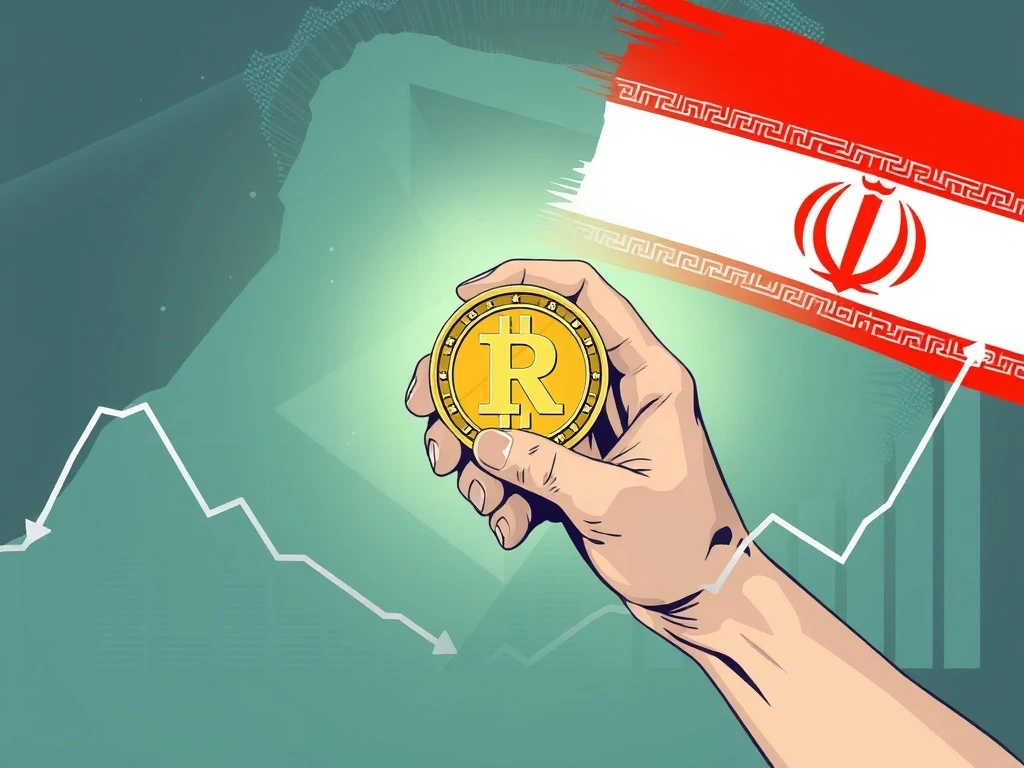
Cryptocurrency enthusiasts watch closely as Iran faces significant economic challenges. Recent reports indicate the nation has implemented a new cap on **stablecoin transactions**. This move comes as the **Iranian Rial crisis** intensifies, pushing the national currency to unprecedented lows against major global currencies. Consequently, this development marks a critical moment for digital asset users within Iran’s borders. It also signals a broader shift in how governments globally approach decentralized finance amidst economic instability.
Iran’s Desperate Bid to Control Stablecoin Transactions
The Iranian government recently introduced strict limits on **stablecoin transactions**. This decision directly responds to the rapid depreciation of the Iranian Rial. The Rial has consistently lost value, reaching record lows against the U.S. dollar. Officials aim to curb capital flight and maintain tighter control over the financial system. Therefore, the new regulations restrict the amount of stablecoins individuals and businesses can transact. This directly impacts the daily financial activities of many Iranians.
For many, stablecoins offered a vital lifeline. They provided a way to preserve wealth against rampant inflation. Now, these new restrictions create further hurdles. The government’s goal is to stabilize the domestic currency. However, critics argue such measures could inadvertently drive more activity underground. People might seek less regulated channels for their digital asset needs. This policy shift reflects a growing concern among Iranian authorities regarding the use of cryptocurrencies for bypassing traditional financial controls.
The Plunging Iranian Rial Crisis Deepens
The **Iranian Rial crisis** represents a severe economic downturn. Years of international **economic sanctions Iran** faces have significantly weakened its economy. High inflation rates plague the country. Furthermore, the Rial’s value has plummeted, eroding citizens’ purchasing power. Many Iranians have turned to alternative assets, including stablecoins, to protect their savings. They seek refuge from the volatile national currency. The government’s actions highlight the extreme pressure on the country’s financial stability.
Several factors contribute to the Rial’s instability:
- International Sanctions: These severely limit Iran’s access to global markets and foreign currency reserves.
- High Inflation: Persistent inflation diminishes the value of the Rial, making everyday goods more expensive.
- Government Spending: Fiscal policies and budget deficits also contribute to economic woes.
- Geopolitical Tensions: Ongoing regional and international conflicts create uncertainty, impacting investor confidence.
These combined pressures create a challenging environment for both the government and its citizens. The stablecoin cap represents one more attempt to manage the fallout.
Impact on Crypto Transactions Iran
The new cap will profoundly affect **crypto transactions Iran**. Many Iranians utilize stablecoins for various purposes. These include remittances, online purchases, and wealth preservation. The restrictions will limit these activities. Consequently, users might face difficulties in moving funds or securing their assets. This could lead to a decrease in legitimate stablecoin usage. It may also increase the appeal of peer-to-peer (P2P) trading platforms, which are harder to monitor.
Previously, Iran showed a mixed stance on cryptocurrencies. While it banned foreign-mined crypto, it also embraced state-backed digital currencies. This new cap, however, specifically targets stablecoins. This suggests a targeted effort to prevent their use as a de facto alternative currency. Citizens often prefer stablecoins due to their pegged value to more stable assets like the U.S. dollar. The government views this as a threat to its monetary sovereignty. Therefore, the impact will be felt across the entire Iranian crypto ecosystem.
Navigating Economic Sanctions Iran
The persistent **economic sanctions Iran** faces significantly shape its approach to cryptocurrencies. These sanctions restrict Iran’s access to the global financial system. They make international trade and banking extremely difficult. Consequently, many Iranians and businesses have explored cryptocurrencies as a workaround. Digital assets offer a means to conduct transactions outside traditional banking channels. This circumvention, however, also draws the attention of authorities. They worry about uncontrolled capital flows and illicit financing.
The government’s actions demonstrate a balancing act. On one hand, they want to leverage blockchain technology. They even explore national digital currencies for international trade. On the other hand, they fear the destabilizing effect of decentralized stablecoins. These stablecoins operate outside state control. This tension highlights the complex relationship between national economic policy and emerging digital finance tools. The sanctions environment makes this challenge even more acute for Iran.
Future of Cryptocurrency Regulations in Iran
This recent development offers a glimpse into the future of **cryptocurrency regulations** in Iran. The government will likely continue to tighten its grip on digital assets. Expect further measures aimed at controlling their usage. These could include stricter KYC (Know Your Customer) requirements for local exchanges. They might also involve outright bans on certain types of cryptocurrencies. The focus remains on maintaining monetary control and preventing capital flight. This is especially true during times of economic crisis.
The global community watches Iran’s approach closely. Its policies could set precedents for other nations grappling with similar economic pressures. As a result, the interplay between national sovereignty, economic stability, and decentralized finance will remain a key theme. The Iranian government’s actions underscore the growing challenge for regulators worldwide. They must adapt to the rapidly evolving landscape of digital currencies. The future for crypto users in Iran appears increasingly regulated and constrained.
In conclusion, Iran’s new **Iran stablecoin cap** marks a significant escalation in its efforts to manage a severe economic crisis. The **Iranian Rial crisis** drives these decisions. This directly impacts **crypto transactions Iran** and reflects ongoing challenges from **economic sanctions Iran** faces. Furthermore, these measures signal a more restrictive future for **cryptocurrency regulations** within the country. As the situation evolves, both local citizens and the global crypto community will observe these developments with keen interest.