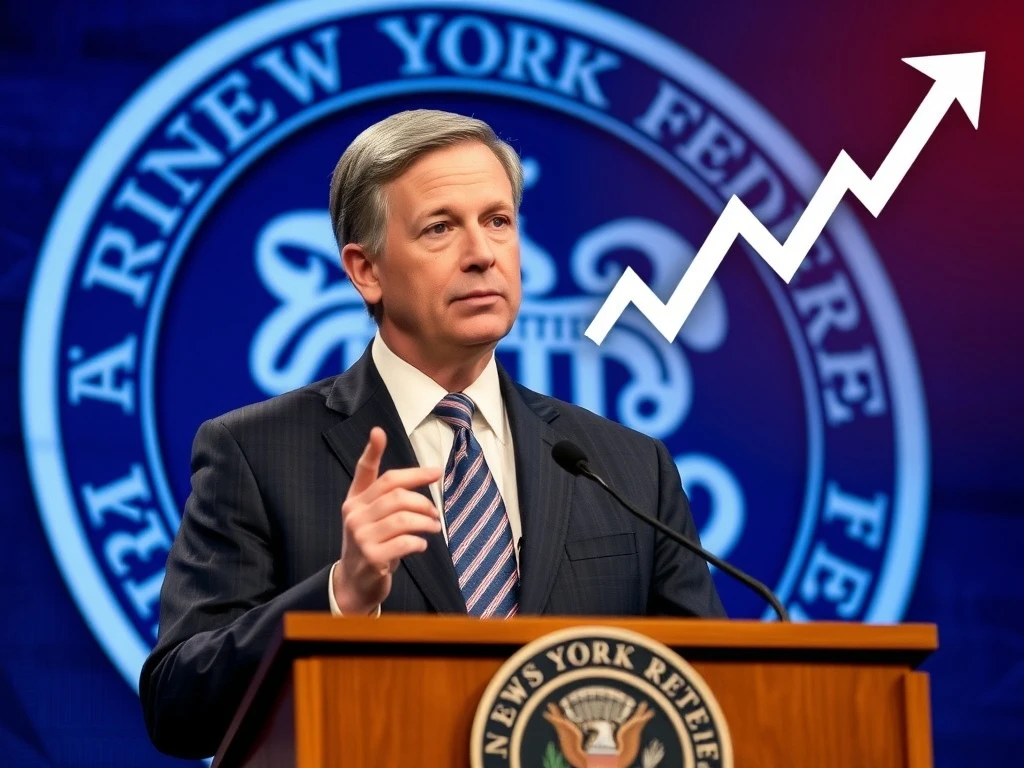
The financial world recently turned its attention to a significant statement from Federal Reserve Governor Steven Miran. He indicated there is ample room for **interest rate cuts**. This news reverberates across global markets. It especially impacts those interested in cryptocurrencies. Such declarations often signal shifts in broader economic conditions. Therefore, market participants pay close attention. Understanding the implications of these potential cuts becomes crucial. It helps us navigate the evolving financial landscape.
Federal Reserve Signals Potential Shifts in Monetary Policy
Federal Reserve Governor Steven Miran recently delivered a pivotal statement. He suggested the central bank has sufficient capacity for **interest rate cuts**. This announcement holds significant weight. It comes at a time of ongoing economic adjustments. Miran’s remarks offer a glimpse into the Fed’s current thinking. They highlight a potential pivot in its aggressive stance. For months, the **Federal Reserve** has maintained higher rates. This strategy aimed to combat persistent inflation. However, the economic landscape continues to evolve. New data points influence policy discussions. Consequently, the possibility of rate reductions now enters the conversation. This development suggests a careful re-evaluation. The Fed balances its dual mandate. It seeks both maximum employment and price stability. Therefore, any move towards rate cuts is carefully considered. It reflects a nuanced understanding of current economic realities. Market analysts and investors are scrutinizing these signals. They anticipate the future direction of financial markets.
Miran’s comments did not specify a timeline. Nevertheless, they underscore a growing sentiment. Some policymakers believe the economy can absorb lower borrowing costs. This belief stems from various factors. For instance, recent inflation data shows moderation. Labor market conditions also remain robust. These indicators provide the Fed with flexibility. It can adjust its **monetary policy** as needed. The governor’s perspective is valuable. It provides insight into internal discussions. These discussions shape future economic decisions. Such decisions affect everything. They influence consumer spending to corporate investments. Ultimately, they also impact the cryptocurrency market indirectly.
Understanding the Context for Interest Rate Cuts
The discussion around **interest rate cuts** does not occur in a vacuum. It follows a period of aggressive rate hikes. The **Federal Reserve** initiated these hikes. They began in early 2022. This was a direct response to soaring inflation. Consumer prices reached multi-decade highs. The Fed’s goal was clear. It aimed to cool down the economy. Higher rates make borrowing more expensive. This discourages spending and investment. It helps to bring down inflation. This strategy largely succeeded. Inflation has indeed shown signs of easing. However, the tight **monetary policy** also carries risks. It could potentially slow economic growth too much. This could lead to a recession. Therefore, the current conversation reflects a delicate balancing act. Policymakers must weigh the benefits of lower inflation. They also consider the potential costs of an economic downturn. Miran’s statement suggests confidence. The Fed believes it can ease policy without reigniting inflation. This careful approach is essential. It ensures long-term economic stability.
Several key economic indicators support this view. For example, the Consumer Price Index (CPI) has declined. It moved from its peak levels. The Personal Consumption Expenditures (PCE) price index also shows improvement. This is the Fed’s preferred inflation gauge. Furthermore, supply chain issues have largely resolved. Energy prices have stabilized somewhat. These factors contribute to disinflationary pressures. Thus, the environment becomes more conducive for rate adjustments. The Fed aims for a soft landing. This means reducing inflation without causing a severe recession. Governor Miran’s remarks align with this objective. They hint at a cautious but optimistic outlook. The central bank remains data-dependent. Therefore, future decisions will hinge on incoming economic reports. This includes employment figures and GDP growth. These metrics will guide the path forward.
Implications for the Economic Outlook and Markets
Potential **interest rate cuts** carry significant implications. They affect the overall **economic outlook**. Lower rates typically stimulate economic activity. They reduce borrowing costs for businesses and consumers. This encourages investment and spending. Businesses may expand operations. Consumers might take out loans for big purchases. This boost in demand can lead to job creation. It can also foster economic growth. Consequently, a more accommodative **monetary policy** could inject vitality into various sectors. It might particularly benefit rate-sensitive industries. These include real estate and manufacturing. The stock market often reacts positively to such news. Lower rates can make equities more attractive. They reduce the discount rate for future earnings. This boosts valuations. Investors often seek higher returns. Therefore, they move capital into riskier assets.
The cryptocurrency market also pays close attention. While not directly tied to interest rates, it is influenced by broader market sentiment. A more bullish **economic outlook** can foster risk-on sentiment. This might encourage investment in digital assets. Conversely, a weakening economy might lead investors to seek safer havens. Lower rates can also impact the US dollar. A weaker dollar can make dollar-denominated assets, including some cryptocurrencies, more appealing to international investors. However, the relationship is complex. Various factors always influence crypto prices. These include technological advancements and regulatory news. Yet, the macroeconomic backdrop remains a powerful force. Miran’s comments thus offer a potential tailwind for risk assets. This includes the volatile crypto space. Investors should monitor the Fed’s actions closely. They need to understand how these actions might shape market dynamics.
Navigating Current Monetary Policy Challenges
The **Federal Reserve** faces a complex array of challenges. It must balance competing economic objectives. On one hand, it strives to bring **inflation** down to its 2% target. On the other, it must support sustained economic growth. It also needs to maintain a strong labor market. This delicate balance defines current **monetary policy**. Aggressive rate hikes helped curb inflation. However, they also increased the risk of an economic slowdown. Now, the Fed considers when to ease these restrictive measures. This decision requires careful calibration. Cutting rates too soon could reignite inflationary pressures. Cutting them too late could trigger a deeper recession. Governor Miran’s statement suggests confidence. The Fed believes it has sufficient data. This data supports a potential easing cycle. This indicates a proactive approach. The central bank aims to avoid overtightening. Such an approach could stifle economic momentum.
Furthermore, global economic conditions add another layer of complexity. Geopolitical tensions persist. Supply chain disruptions can still emerge. These factors can influence domestic inflation and growth. The Fed must consider these external forces. They affect its internal policy decisions. Different views exist within the Federal Open Market Committee (FOMC). Some members might favor a more cautious approach. Others might advocate for quicker action. These internal debates are natural. They reflect the uncertainty inherent in economic forecasting. Miran’s comments, therefore, provide a significant data point. They signal a potential consensus forming. This consensus points towards a more flexible policy stance. The Fed’s commitment to data dependency remains paramount. All future moves will depend on the evolution of economic indicators. These include job reports, consumer spending, and manufacturing data. Therefore, the path ahead requires constant vigilance.
The Path Ahead for Inflation and Policy Adjustments
The trajectory of **inflation** remains a primary concern for the **Federal Reserve**. Despite recent moderation, prices still sit above the Fed’s 2% target. Governor Miran’s remarks about room for **interest rate cuts** imply a belief. The Fed feels confident in its progress against rising costs. However, the battle against inflation is not over. Various factors could still influence future price movements. These include energy costs, global supply chain stability, and wage growth. The Fed closely monitors several inflation gauges. The Consumer Price Index (CPI) tracks urban consumer prices. The Personal Consumption Expenditures (PCE) price index is another key metric. It provides a broader measure of consumer spending. Policymakers aim to see sustained downward trends in both. This confirms inflation is truly under control. Only then will they feel comfortable making significant policy shifts. Therefore, future economic reports will play a crucial role. They will dictate the timing and magnitude of any rate adjustments.
The concept of a ‘soft landing’ is central to the Fed’s strategy. This scenario involves reducing inflation without triggering a recession. It requires precise and timely policy adjustments. Miran’s comments align with this hopeful outcome. They suggest the Fed sees a path to achieving its goals. This involves gradually easing **monetary policy**. Such an approach would support continued economic expansion. It would also allow inflation to return to target. However, achieving a soft landing is historically challenging. Many factors can disrupt this delicate balance. Therefore, the Fed must remain agile. It must adapt its strategy as new data emerges. The next few months will be critical. They will reveal whether the current disinflationary trend continues. They will also show if the labor market remains strong. These observations will ultimately shape the Fed’s decisions. They will determine the future of interest rates. This directly impacts the broader **economic outlook**.
In conclusion, Federal Reserve Governor Steven Miran’s statement is highly significant. It signals a potential shift in the Fed’s **monetary policy**. The indication of sufficient room for **interest rate cuts** suggests growing confidence. Policymakers believe they are making progress against **inflation**. They also aim to support the broader **economic outlook**. This news offers potential relief for various sectors. It also affects the cryptocurrency market. However, the Fed’s decisions remain data-dependent. Therefore, ongoing monitoring of economic indicators is essential. The path ahead requires careful navigation. It balances the need for price stability with sustained growth. This will ultimately shape the financial landscape for months to come.
Frequently Asked Questions (FAQs)
Q1: What does “sufficient room for interest rate cuts” mean?
A1: This statement means that Federal Reserve Governor Miran believes the economy is strong enough, and inflation is moderating sufficiently, to allow the Fed to lower its benchmark interest rate without risking a resurgence of high inflation or destabilizing the economy. It suggests the previous rate hikes have had their intended effect.
Q2: How do interest rate cuts impact the economy?
A2: **Interest rate cuts** generally stimulate economic activity. They make borrowing cheaper for businesses and consumers, encouraging investment, spending, and job creation. This can lead to increased economic growth and potentially higher asset prices, including stocks and, indirectly, cryptocurrencies.
Q3: What is the Federal Reserve’s primary goal when setting monetary policy?
A3: The **Federal Reserve** has a dual mandate: to achieve maximum employment and maintain price stability (i.e., control **inflation**). Its **monetary policy** decisions, including interest rate adjustments, are aimed at balancing these two objectives to foster a healthy economy.
Q4: How might potential rate cuts affect the cryptocurrency market?
A4: While not directly tied to interest rates, the cryptocurrency market often benefits from a more accommodative **monetary policy** and a positive **economic outlook**. Lower rates can increase investor appetite for riskier assets like cryptocurrencies, as traditional investments may offer lower returns. A weaker US dollar, often a consequence of rate cuts, can also make dollar-denominated digital assets more attractive to international buyers.
Q5: What economic indicators does the Fed watch for inflation?
A5: The **Federal Reserve** closely monitors several **inflation** indicators. These include the Consumer Price Index (CPI) and the Personal Consumption Expenditures (PCE) price index, which is its preferred measure. They also look at wage growth, commodity prices, and inflation expectations to gauge price stability.
Q6: When might the Federal Reserve start cutting interest rates?
A6: The timing of **interest rate cuts** is uncertain and depends on incoming economic data. The **Federal Reserve** is data-dependent, meaning it will base its decisions on future reports regarding inflation, employment, and overall economic growth. Governor Miran’s statement signals a possibility, but not a firm commitment or timeline.
Related News
- Bitcoin-Linked Annuity: Delaware Life’s Revolutionary Partnership with BlackRock’s IBIT ETF
- Greenland Invasion Threat: Alarming Warning Prompts Emergency Preparedness Measures
- TenX Protocols Secures Landmark $3.25M Tezos Partnership, Acquiring 5.54M XTZ for Strategic Staking