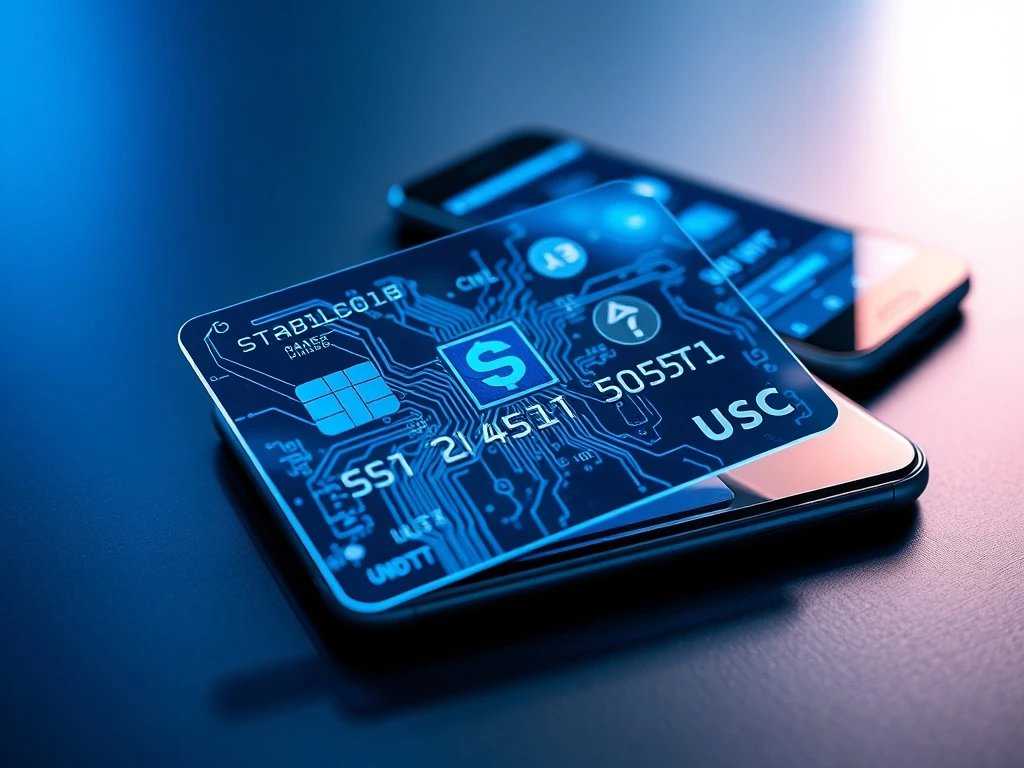
In a significant move that could reshape the financial landscape, South Korean banking giant KB Kookmin Card has filed a patent application for hybrid digital asset payment technology. This innovative system, reported by Newsis in Seoul, South Korea, on November 15, 2024, represents a strategic effort to expand digital asset utility within existing payment infrastructure. The technology promises to seamlessly integrate blockchain-based wallets with conventional credit cards, potentially accelerating mainstream cryptocurrency adoption.
Understanding KB Kookmin Card’s Hybrid Payment Technology
KB Kookmin Card’s patent application outlines a sophisticated payment architecture designed for practical, everyday use. The core innovation involves linking a user’s existing credit card account directly to a blockchain-based digital wallet. This linkage occurs without requiring the issuance of new physical cards. Consequently, customers can utilize both digital assets and traditional credit through a single, familiar payment instrument.
The proposed system operates on a clear, automated hierarchy. When a user initiates a transaction, the system first checks the balance of stablecoins within their linked e-wallet. Stablecoins, which are cryptocurrencies pegged to stable assets like the US dollar, provide the necessary price stability for routine payments. If the stablecoin balance covers the full purchase amount, the transaction settles directly from the digital wallet. However, if the digital balance proves insufficient, the system instantly and automatically processes the remainder as a standard credit card payment.
The Technical Architecture Behind the Patent
The patent details a middleware layer that acts as a bridge between the blockchain network and the traditional card payment network. This layer handles real-time balance checks, currency conversion at the point of sale, and transaction routing. It ensures compliance with existing financial regulations while maintaining the decentralized benefits of blockchain technology. The system reportedly supports multiple digital assets, with a primary focus on regulated stablecoins to mitigate volatility concerns.
The Strategic Context of Digital Asset Integration
KB Kookmin Card’s initiative does not exist in a vacuum. It reflects a broader, global trend of traditional financial institutions embracing blockchain technology. Major banks worldwide are exploring digital asset custody, tokenization, and payment solutions. In South Korea, the government has implemented clear regulatory frameworks for digital assets, creating a conducive environment for such innovations. This patent filing positions KB Kookmin Card, a subsidiary of KB Financial Group, at the forefront of this institutional adoption wave.
Several factors drive this strategic shift. First, consumer demand for digital asset utility is growing, especially among younger demographics. Second, blockchain technology offers potential efficiencies in settlement speed and cost reduction. Third, integrating digital assets can create new revenue streams and enhance customer loyalty. By leveraging its existing massive cardholder base, KB Kookmin Card can deploy this technology at scale, bypassing the cold-start problem faced by crypto-native startups.
Comparative Analysis with Existing Solutions
The market already features crypto debit cards from companies like Crypto.com and Nexo. However, KB Kookmin Card’s approach differs fundamentally. Those services typically require pre-loading fiat currency from sold crypto assets. In contrast, the hybrid model allows direct spending of the digital asset itself (stablecoins) and integrates seamlessly with credit. The table below highlights key distinctions:
| Feature | KB Kookmin Hybrid Model | Traditional Crypto Card |
|---|---|---|
| Asset Use | Spends stablecoins directly | Spends fiat from converted crypto |
| Credit Integration | Yes, automatic fallback | Typically debit-only |
| Infrastructure | Leverages existing card network | Often uses separate payment processor |
| User Requirement | No new card needed | Requires new card issuance |
Potential Impacts on Consumers and the Market
For consumers, this technology promises unprecedented convenience and flexibility. It eliminates the need to manually convert cryptocurrencies to fiat before spending. Users can maintain a portion of their liquidity in digital assets while ensuring payment reliability through credit backup. This could be particularly valuable for freelancers receiving payment in stablecoins or investors wanting to spend asset appreciation directly.
For the broader financial market, successful implementation could serve as a blueprint for other institutions. It demonstrates a pragmatic path to integrating decentralized finance (DeFi) elements with traditional banking. Key potential impacts include:
- Accelerated Mainstream Adoption: Lowering the technical barrier for using digital assets in daily life.
- Enhanced Financial Inclusion: Providing digital asset services to existing bank customers without requiring deep crypto knowledge.
- Regulatory Clarity Momentum: Encouraging further refinement of digital asset payment regulations as real-world use cases emerge.
- Competitive Pressure: Likely prompting rival card issuers and banks to develop similar or competing hybrid solutions.
Expert Perspectives on the Innovation
Financial technology analysts view this patent as a logical evolution. “Institutions are moving beyond mere custody to actual utility,” notes a fintech research director at a Seoul-based consultancy. “Linking to existing payment rails is the smartest way to drive adoption without rebuilding infrastructure.” Banking experts highlight the risk management aspect. The automated fallback to credit ensures transaction completion, a critical feature for merchant acceptance. Blockchain developers point to the technical challenge of achieving real-time settlement between chains and card networks, a hurdle the patent’s middleware aims to solve.
Regulatory and Security Considerations
Any system handling digital assets must navigate a complex regulatory landscape. South Korea’s Financial Services Commission (FSC) and Financial Intelligence Unit (FIU) have established guidelines for virtual asset service providers (VASPs). KB Kookmin Card, as a licensed financial institution, must ensure its hybrid system complies with anti-money laundering (AML) and know-your-customer (KYC) regulations. The patent application suggests the wallet linkage process will involve enhanced identity verification, tying the digital wallet irrevocably to the verified cardholder.
Security remains paramount. The system must protect against private key theft, transaction fraud, and network attacks. The patent describes using institutional-grade custody solutions for the wallet backend, likely combining multi-signature technology and hardware security modules. Furthermore, by keeping the card as the primary point-of-sale interface, the system may reduce the attack surface compared to apps that require direct blockchain interactions during payment.
Conclusion
KB Kookmin Card’s patent for hybrid digital asset payment technology marks a pivotal moment in the convergence of traditional and digital finance. By creating a bridge between blockchain wallets and credit card networks, the proposal addresses key adoption hurdles: volatility, complexity, and reliability. This innovation leverages existing infrastructure to provide a seamless user experience, potentially bringing digital asset payments to millions of existing customers. While regulatory and technical challenges remain, this patent filing signals a clear direction for the industry. The development of such hybrid digital asset payment systems will likely define the next phase of competition in the global payments sector, moving cryptocurrencies closer to becoming a practical medium of exchange.
FAQs
Q1: What is the core innovation in KB Kookmin Card’s patent?
The core innovation is a system that links a user’s existing credit card to a blockchain e-wallet, allowing payments to automatically use stablecoins first and then credit, without needing a new physical card.
Q2: How does this differ from existing crypto debit cards?
Most crypto cards require selling crypto for fiat before spending. This hybrid technology allows direct spending of the digital asset (stablecoin) and includes an automatic credit fallback, all through the user’s current card.
Q3: What are stablecoins and why are they important for this technology?
Stablecoins are cryptocurrencies pegged to stable assets like the US dollar. Their low volatility makes them suitable for everyday payments, which is critical for a reliable hybrid digital asset payment system.
Q4: When will this technology be available to customers?
The filing is a patent application, not a product launch. Commercial availability depends on regulatory approvals, technical development, and internal testing. No public timeline has been announced.
Q5: What are the potential benefits for the average cardholder?
Cardholders could spend digital assets directly with the security and convenience of their credit card, enjoy potential rewards, and have guaranteed transaction completion through the credit fallback feature.
Related News
- Bitcoin ETF Surge: US Spot Funds See Staggering $753.7M Inflow, Largest in 3 Months
- Ethereum ETF Momentum: US Spot Funds Secure Second Day of Robust Inflows, Signaling Renewed Confidence
- Meme Coin Warning: CZ’s Critical Alert Signals Potential Pain for Traders Chasing Viral Cryptocurrencies