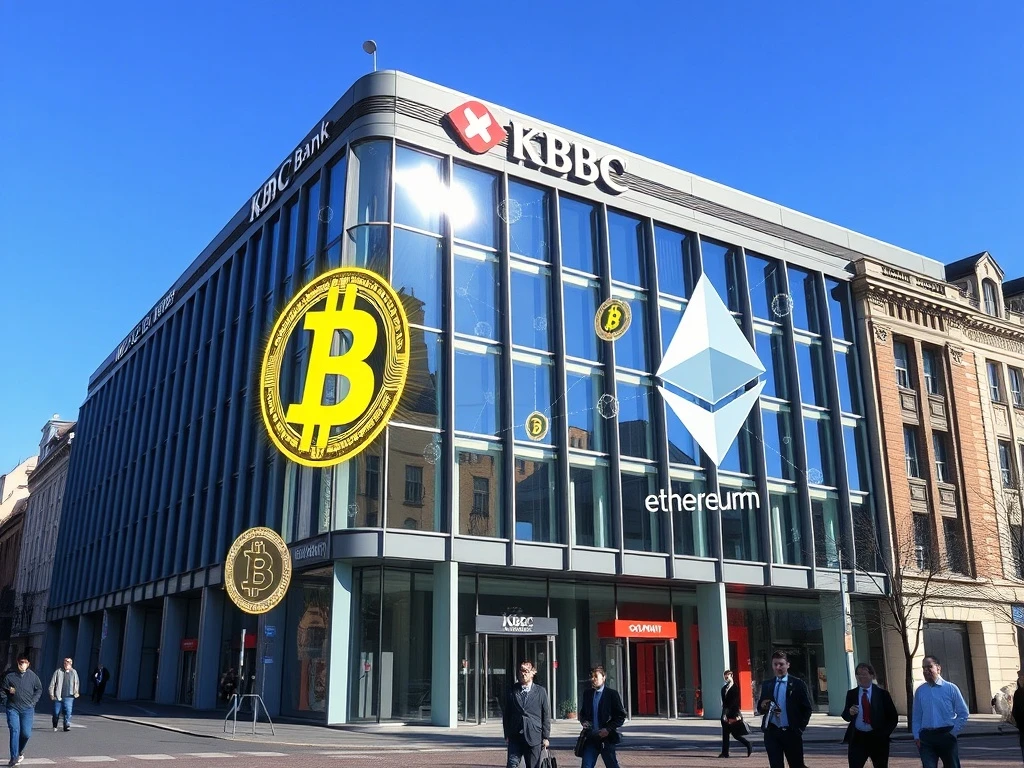
BRUSSELS, BELGIUM – March 2025 marks a pivotal moment in European financial history as KBC Bank, one of Belgium’s largest financial institutions, officially announces its entry into regulated cryptocurrency trading services. This strategic move fundamentally transforms the relationship between traditional banking and digital assets, potentially reshaping how millions of Belgians interact with cryptocurrencies. The announcement comes after months of regulatory preparation and represents a significant validation of blockchain technology within mainstream finance.
KBC Crypto Trading: A Regulatory Milestone for Belgium
KBC’s decision to offer regulated crypto trading services follows extensive consultations with Belgium’s Financial Services and Markets Authority (FSMA). Consequently, the bank has developed a comprehensive framework that addresses regulatory requirements while providing secure access to digital assets. This framework includes robust anti-money laundering protocols, investor protection measures, and transparent fee structures. Moreover, the service will initially support Bitcoin and Ethereum trading, with plans to expand to additional cryptocurrencies based on market demand and regulatory approval.
The bank’s approach emphasizes security and compliance above all else. Unlike many cryptocurrency exchanges, KBC will implement bank-grade security measures including multi-signature wallets, cold storage solutions, and institutional-grade custody services. Additionally, all transactions will undergo the same rigorous monitoring as traditional banking activities. This creates a bridge between conventional finance and emerging digital asset markets.
The Regulatory Landscape in Belgium
Belgium has taken a measured approach to cryptocurrency regulation, balancing innovation with consumer protection. The FSMA published clear guidelines in 2023 requiring all crypto service providers to register and comply with anti-money laundering regulations. KBC’s entry into this space demonstrates how established financial institutions can navigate these requirements successfully. Furthermore, the European Union’s Markets in Crypto-Assets (MiCA) regulation, set for full implementation in 2025, provides additional regulatory clarity that facilitates traditional banks’ participation in crypto markets.
Traditional Banking’s Evolving Relationship with Cryptocurrency
KBC’s announcement represents a broader trend among European banks gradually embracing digital assets. Initially skeptical of cryptocurrencies, traditional financial institutions have increasingly recognized their potential as both investment vehicles and technological innovations. Several factors drive this shift:
- Client Demand: Growing interest from retail and institutional clients
- Revenue Opportunities: New fee structures and service offerings
- Technological Advancement: Blockchain’s potential for settlement and custody
- Competitive Pressure: Fintech companies capturing market share
Other European banks have taken different approaches to cryptocurrency integration. For instance, some offer cryptocurrency custody services without trading capabilities, while others provide indirect exposure through investment products. KBC’s direct trading service represents one of the most comprehensive integrations by a major traditional bank in the European Union.
| Bank | Country | Crypto Services | Launch Year |
|---|---|---|---|
| KBC | Belgium | Regulated Trading & Custody | 2025 |
| BBVA | Spain | Custody & Private Banking | 2021 |
| Société Générale | France | Security Token Services | 2023 |
| DZ Bank | Germany | Crypto Custody Platform | 2024 |
Impact on Belgian Crypto Investors and the Market
KBC’s entry into crypto trading significantly impacts Belgian investors and the broader digital asset ecosystem. Firstly, it provides a trusted, regulated platform for cryptocurrency transactions, potentially attracting investors who previously avoided the space due to security concerns. Secondly, the bank’s educational resources will likely improve financial literacy around digital assets. Thirdly, institutional participation may increase market stability and liquidity.
The service launch coincides with growing cryptocurrency adoption in Belgium. Recent surveys indicate approximately 15% of Belgians now own some form of cryptocurrency, with younger demographics showing particularly strong interest. KBC’s platform could accelerate this adoption by lowering barriers to entry and providing integrated financial services. However, the bank emphasizes that cryptocurrency investments remain high-risk and recommends appropriate portfolio allocation strategies.
Security and Consumer Protection Measures
KBC has implemented multiple security layers for its crypto trading platform. These include biometric authentication for account access, transaction confirmation requirements for large transfers, and real-time monitoring for suspicious activity. Additionally, the bank provides insurance coverage for digital assets held in custody, addressing a major concern among potential investors. Educational materials explain cryptocurrency volatility, storage options, and tax implications clearly.
Technical Implementation and Integration Challenges
Developing a regulated crypto trading platform within a traditional banking infrastructure presented significant technical challenges. KBC engineers needed to integrate blockchain technology with legacy banking systems while maintaining security and compliance standards. The solution involved creating segregated digital asset accounts that link to traditional bank accounts, enabling seamless fund transfers between fiat and cryptocurrency holdings.
The bank partnered with established blockchain technology providers rather than building everything internally. This approach allowed faster implementation while leveraging proven security protocols. Furthermore, KBC developed proprietary risk management tools specifically for cryptocurrency volatility and market movements. These tools automatically flag unusual trading patterns and potential market manipulation attempts.
Future Developments and Expansion Plans
KBC plans to expand its cryptocurrency services gradually based on client feedback and regulatory developments. Potential future offerings include staking services for proof-of-stake cryptocurrencies, cryptocurrency-backed lending products, and integration with decentralized finance protocols. The bank also monitors central bank digital currency developments, particularly the digital euro project, which could further transform the financial landscape.
International expansion represents another potential growth avenue. KBC operates in multiple European countries through its subsidiaries, creating opportunities to roll out crypto trading services beyond Belgium. However, each jurisdiction requires separate regulatory approvals and market assessments. The bank’s initial focus remains establishing a successful Belgian operation before considering international expansion.
Conclusion
KBC’s launch of regulated crypto trading services in Belgium represents a watershed moment for both traditional banking and cryptocurrency adoption. By bridging these previously separate worlds, the bank provides security, regulatory compliance, and accessibility to digital assets. This development signals growing institutional acceptance of blockchain technology while offering Belgian investors new opportunities within a protected framework. As cryptocurrency continues evolving, traditional financial institutions like KBC will likely play increasingly important roles in shaping its integration into mainstream finance.
FAQs
Q1: When will KBC’s crypto trading service become available to all customers?
The service launches in phases beginning March 2025, with full availability expected by Q3 2025. Existing KBC customers receive priority access during the initial rollout period.
Q2: What cryptocurrencies will KBC support initially?
The platform launches with Bitcoin and Ethereum trading, with additional cryptocurrencies considered based on regulatory approval and customer demand. The bank prioritizes assets with established track records and regulatory clarity.
Q3: How does KBC ensure the security of cryptocurrency holdings?
KBC implements multiple security measures including cold storage for most assets, multi-signature wallets, institutional-grade custody partners, and insurance coverage. These measures exceed typical exchange security standards.
Q4: What fees will KBC charge for crypto trading services?
Fee structures remain competitive with existing cryptocurrency exchanges while reflecting the additional security and regulatory compliance. Detailed fee schedules publish before service launch.
Q5: How does this service differ from using a traditional cryptocurrency exchange?
KBC integrates cryptocurrency services directly with traditional banking, providing seamless fund transfers, consolidated financial reporting, and regulatory protections not always available on independent exchanges. The bank also offers educational resources and investment guidance.
Q6: Will KBC offer cryptocurrency services in other countries where it operates?
Belgium serves as the initial launch market. Expansion to other countries depends on regulatory environments and market conditions in each jurisdiction. No specific timeline exists for international rollout.
Related News
- Bitcoin ETF Liquidity Crisis: Alarming Analysis Reveals Recovery Has Not Materialized
- Bitmain Bitcoin Mining Power Play: The Strategic Implications of an 11 EH/s Proxy Expansion
- Bitcoin Allocation Axed: Jefferies Drops 10% BTC from Model Portfolio Over Quantum Security Fears