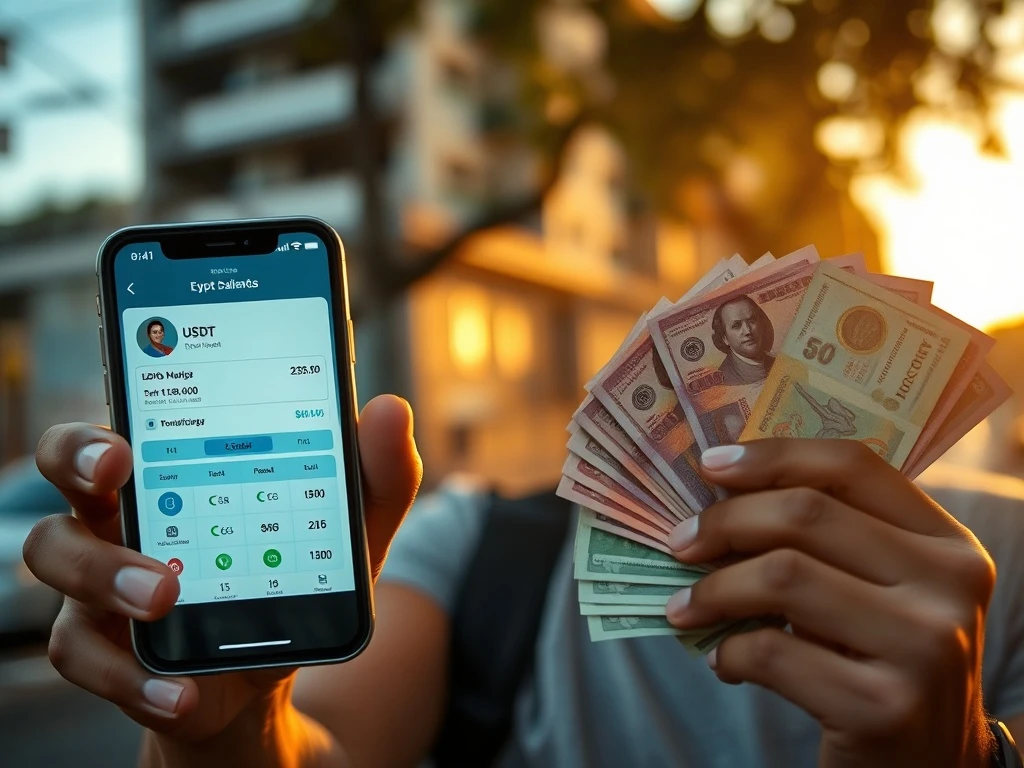
CARACAS, Venezuela – March 2025: Venezuelan citizens are urgently converting their rapidly depreciating bolivars into the USDT stablecoin following unprecedented U.S. military intervention, creating a remarkable 40% price surge in peer-to-peer markets as residents desperately seek financial stability during escalating geopolitical tensions.
Venezuela USDT Demand Reaches Crisis Levels
Financial markets across Venezuela witnessed extraordinary activity this month. Consequently, demand for Tether’s USDT stablecoin reached unprecedented levels. According to CNBC reporting, Venezuelans began converting national currency holdings immediately after U.S. airstrikes commenced earlier this month. Remarkably, the USDT price climbed to approximately $1.40 in some local peer-to-peer markets. This represents a significant premium over the stablecoin’s intended $1.00 peg. Meanwhile, traditional banking systems experienced severe strain. Additionally, cryptocurrency exchanges reported record Venezuelan user registrations.
The Venezuelan bolivar has faced hyperinflation for years. However, recent geopolitical developments accelerated its decline dramatically. Financial experts note that cryptocurrency adoption previously grew steadily in Venezuela. Nevertheless, the current surge represents a qualitative shift in usage patterns. Residents now treat digital assets as essential financial infrastructure rather than speculative instruments. Furthermore, peer-to-peer trading volumes increased 300% week-over-week. Local bitcoin communities organized emergency educational sessions. Simultaneously, internet usage patterns shifted toward cryptocurrency platforms.
Stablecoin Mechanics During Geopolitical Crisis
Stablecoins like USDT maintain price stability through reserve backing. Typically, each token corresponds to one U.S. dollar held in reserves. However, market dynamics can create temporary price deviations. During the Venezuelan crisis, several factors converged to drive USDT premiums. First, immediate demand overwhelmed available supply channels. Second, cross-border transfer restrictions limited arbitrage opportunities. Third, traditional dollar access became nearly impossible for most citizens. Fourth, trust in national institutions reached historic lows.
Li Haonan, co-founder and CEO of cryptocurrency data platform Codex, provided crucial context. He explained that USDT prices in Venezuela rose approximately 40% within 24 hours. Importantly, Haonan emphasized this wasn’t speculative retail trading. Instead, residents sought safe haven assets during genuine emergency conditions. His analysis revealed distinctive transaction patterns. Large volumes moved through established peer-to-peer platforms. Transaction sizes typically represented life savings rather than investment amounts. Moreover, trading activity correlated directly with geopolitical developments.
Historical Context of Venezuelan Cryptocurrency Adoption
Venezuela’s relationship with cryptocurrency developed over several years. The government launched the Petro digital currency in 2018. However, citizens largely rejected this state-controlled option. Instead, they embraced decentralized alternatives like bitcoin and stablecoins. Economic sanctions gradually restricted international banking access. Consequently, cryptocurrency became increasingly necessary for basic commerce. Remittance flows shifted toward digital channels. Small businesses adopted crypto payments for survival. This established infrastructure proved crucial during the current crisis.
The table below illustrates Venezuela’s cryptocurrency adoption timeline:
| Year | Development | Impact |
|---|---|---|
| 2018 | Petro cryptocurrency launch | Limited public adoption |
| 2020 | Hyperinflation exceeds 2000% | Bitcoin trading volumes surge |
| 2022 | US sanctions tighten | Stablecoin usage grows 500% |
| 2024 | Dollarization accelerates | P2P platforms dominate |
| 2025 | US military intervention | USDT demand spikes 40% |
Global Cryptocurrency Market Reactions
International cryptocurrency markets registered the Venezuelan developments. Major exchanges reported increased Latin American user activity. Meanwhile, stablecoin issuers monitored reserve requirements carefully. Tether Limited confirmed adequate dollar backing for all USDT tokens. The company also noted unusual redemption patterns from Venezuelan IP addresses. However, global USDT prices remained stable at $1.00. This demonstrated efficient arbitrage mechanisms in functional markets. By contrast, Venezuelan isolation created unique local conditions.
Several key factors distinguish the Venezuelan situation:
- Physical dollar scarcity: Greenbacks became virtually unobtainable
- Digital infrastructure: Widespread smartphone usage enabled crypto access
- Existing adoption: Population already familiar with cryptocurrency basics
- Network effects: Social networks facilitated rapid knowledge sharing
- Urgent necessity: Basic survival required currency alternatives
Regional analysts observed similar patterns developing. Neighboring countries monitored cryptocurrency flows carefully. Some governments considered regulatory responses. Others evaluated humanitarian applications. The International Monetary Fund issued cautious statements. Meanwhile, cryptocurrency advocates highlighted the technology’s utility during crises.
Economic Impacts Beyond Cryptocurrency Markets
The USDT demand surge represents broader economic dislocation. Traditional retail sectors experienced immediate contraction. Price inflation accelerated for basic goods. Supply chains faced unprecedented disruption. Employment patterns shifted toward informal arrangements. International organizations prepared emergency response plans. Humanitarian agencies explored cryptocurrency-based aid distribution. Academic researchers documented real-time economic transformation.
Venezuela’s central bank suspended regular operations temporarily. Commercial banks limited withdrawal amounts significantly. Digital payment platforms experienced technical difficulties. Meanwhile, cryptocurrency networks continued functioning normally. This technological resilience demonstrated decentralized system advantages. Network validators processed Venezuelan transactions without special consideration. Blockchain transparency provided unique crisis documentation. Every transaction created permanent, verifiable records.
Expert Analysis of Financial Behavior Patterns
Economic psychologists examined Venezuelan decision-making processes. Crisis conditions typically trigger specific behavioral responses. First, individuals prioritize asset preservation over growth. Second, liquidity becomes paramount consideration. Third, trust shifts toward transparent systems. Fourth, social learning accelerates dramatically. USDT satisfied all these requirements effectively. The stablecoin offered dollar exposure without physical storage risks. Blockchain transparency provided verifiable proof of reserves. Peer-to-peer platforms enabled immediate liquidity access.
Financial technology experts noted infrastructure importance. Venezuela’s mobile internet penetration exceeds 80%. Smartphone ownership remains relatively high despite economic challenges. Cryptocurrency wallet applications require minimal technical knowledge. Spanish-language educational resources proliferated during previous crises. These factors created unique adoption readiness. When the geopolitical situation deteriorated, citizens possessed necessary tools and knowledge. Their response demonstrated sophisticated financial understanding under extreme pressure.
Conclusion
The Venezuela USDT demand surge illustrates cryptocurrency’s evolving role in global finance. Stablecoins now function as essential crisis response tools. The 40% price premium reflects extraordinary circumstances rather than market failure. Venezuelan citizens demonstrated remarkable financial adaptability. Their rapid embrace of digital dollar alternatives highlights blockchain technology’s practical utility. This event will undoubtedly influence future cryptocurrency adoption patterns globally. Furthermore, it provides crucial insights for humanitarian organizations and policymakers. The Venezuela USDT phenomenon represents a landmark moment in financial history, demonstrating how decentralized technologies can provide stability when traditional systems falter.
FAQs
Q1: Why did USDT trade above $1.00 in Venezuela?
USDT traded at approximately $1.40 due to extreme local demand overwhelming available supply. Venezuelans desperately sought dollar exposure as their national currency collapsed. Limited arbitrage opportunities prevented price normalization.
Q2: How did Venezuelans access USDT during the crisis?
Most transactions occurred through peer-to-peer cryptocurrency platforms. These services connect buyers and sellers directly. Existing cryptocurrency infrastructure and smartphone availability enabled access despite traditional banking disruptions.
Q3: Was this USDT demand driven by speculation or necessity?
According to Codex CEO Li Haonan, this represented necessity-driven activity. Transaction patterns showed citizens converting life savings rather than making speculative investments. The surge correlated directly with geopolitical developments.
Q4: How did global USDT prices remain stable during this event?
International arbitrage mechanisms functioned normally in other markets. The price premium remained localized to Venezuela due to capital controls and transfer restrictions that isolated their financial markets.
Q5: What long-term impacts might this event have on cryptocurrency adoption?
This demonstrates cryptocurrency’s utility during geopolitical crises. It may accelerate regulatory discussions globally. Humanitarian organizations might explore blockchain-based aid distribution. The event provides real-world evidence of decentralized financial resilience.
Related News
- Galaxy Digital’s Strategic $22.5M ETH Deposit to Binance Reveals Crucial Institutional Crypto Moves
- Bitcoin Crash Warning: Peter Schiff’s Dire Prediction as Dollar Collapse Fears Intensify
- Bitcoin Holders Capitulate: Unprecedented 30-Day Loss-Selling Streak Sparks Market Analysis