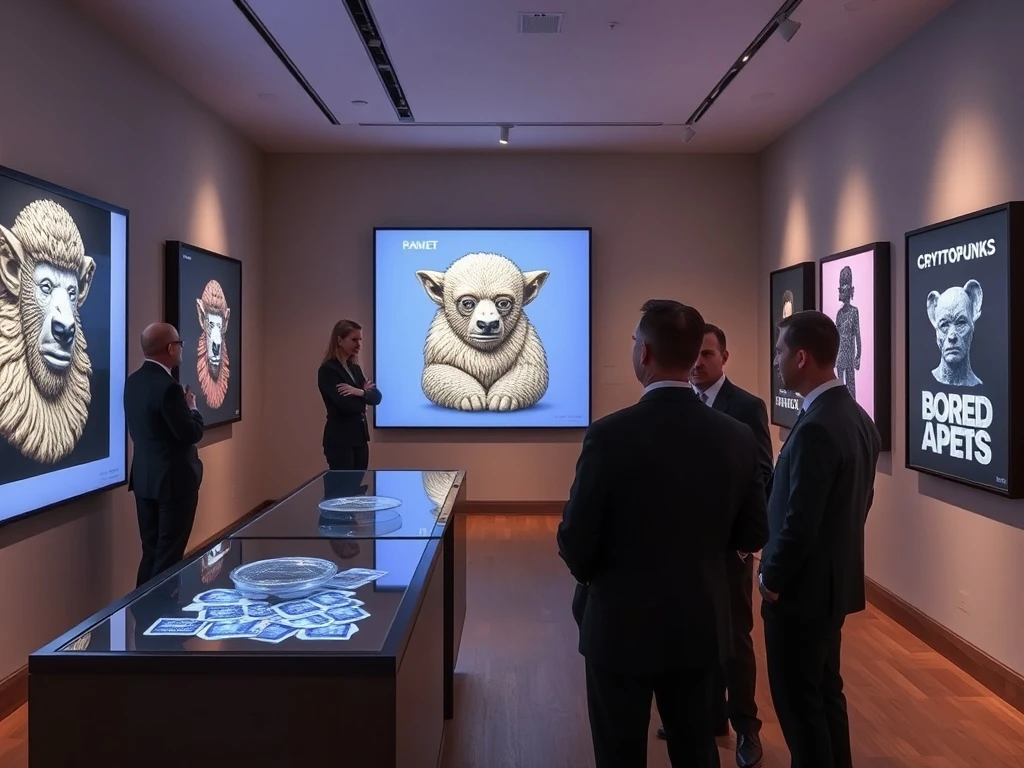
Contrary to widespread speculation about its demise, the non-fungible token (NFT) market continues to demonstrate remarkable resilience through an unexpected driver: wealthy collectors. According to Yat Siu, co-founder of Animoca Brands, this digital asset class mirrors traditional high-end art collecting, creating exclusive communities that transcend market fluctuations. Recent data from 2025 reveals surprising stability in certain NFT segments despite broader cryptocurrency volatility.
The Current State of the NFT Market in 2025
The NFT market has undergone significant transformation since its explosive growth period earlier this decade. Market analytics firm DappRadar reports that while overall trading volumes have declined approximately 70% from 2022 peaks, blue-chip NFT collections maintain consistent activity. Specifically, collections like Bored Ape Yacht Club and CryptoPunks continue to attract high-value transactions, with average sale prices exceeding 50 ETH for rare pieces. Meanwhile, blockchain analytics platform Nansen indicates wallet addresses holding over $1 million in NFT assets have increased by 15% year-over-year.
This market evolution reflects a broader maturation process within the digital collectibles space. Industry experts note a shift from speculative trading toward genuine collecting behavior. Furthermore, established auction houses like Sotheby’s and Christie’s have integrated NFT departments, lending institutional credibility to the asset class. These developments suggest the NFT ecosystem is consolidating rather than collapsing, with quality projects attracting sustained interest.
Comparative Market Performance Metrics
| Metric | 2022 Peak | 2024 Low | 2025 Current |
|---|---|---|---|
| Monthly Trading Volume | $3.2B | $450M | $850M |
| Blue-Chip NFT Floor Prices | +280% from 2021 | -75% from peak | +25% from 2024 low |
| Unique Buyers (Monthly) | 950,000 | 210,000 | 380,000 |
| >$100K Transactions | 1,200 monthly | 350 monthly | 650 monthly |
Wealthy Collectors: The Hidden Engine of NFT Sustainability
Yat Siu’s comparison between NFT collectors and traditional art patrons reveals crucial insights about market dynamics. During his CoinDesk interview, Siu explained that wealthy individuals approach digital collectibles similarly to how heirs of prominent families acquire Picasso works. These collectors value:
- Community belonging and shared identity with fellow collectors
- Cultural significance of owning historically important digital artifacts
- Long-term preservation of digital culture and blockchain history
- Status signaling within exclusive digital communities
This behavioral pattern creates market stability that differs fundamentally from retail-driven speculation. Notably, blockchain analysis reveals that approximately 150 wallets control nearly 40% of the total value in blue-chip NFT collections. These collectors typically hold assets for extended periods, reducing market volatility. Additionally, their purchases often involve complete sets or historically significant pieces, similar to traditional art collecting practices.
The Psychology of High-Value Digital Collecting
Research from the University of Cambridge Digital Assets Programme indicates that wealthy NFT collectors exhibit psychological profiles similar to traditional art patrons. Key findings include:
- 72% cite “cultural preservation” as primary motivation
- 65% value community access over financial returns
- 58% collect complete sets rather than individual pieces
- 41% have traditional art collecting backgrounds
This collector psychology creates market dynamics that resist broader cryptocurrency trends. Consequently, while retail interest fluctuates with market sentiment, institutional and wealthy collector activity maintains baseline market liquidity. Moreover, these collectors often fund museum exhibitions and digital art preservation initiatives, further legitimizing the space.
Animoca Brands’ Strategic Perspective on Digital Assets
As a leading investor in blockchain gaming and digital property rights, Animoca Brands maintains a unique vantage point on NFT evolution. The company’s portfolio includes over 380 investments across the Web3 ecosystem, providing comprehensive market intelligence. Yat Siu’s personal experience with an 80% portfolio decline reflects broader market conditions but doesn’t diminish his long-term conviction. Importantly, Animoca’s strategy focuses on several key areas:
Digital property rights infrastructure remains their primary focus, with investments in platforms that enable true digital ownership. Additionally, interoperable gaming assets represent a growing segment, allowing players to transfer items across multiple virtual environments. Furthermore, cultural preservation initiatives have gained prominence, with projects aimed at archiving historically significant digital artifacts.
The company’s research indicates that NFT utility continues expanding beyond simple collectibles. Current applications include:
- Digital identity and reputation systems
- Intellectual property rights management
- Virtual real estate and metaverse assets
- Membership and access tokens for exclusive communities
Historical Parallels: From Picasso to Punks
The comparison between traditional art markets and NFT ecosystems reveals instructive parallels. Art market historian Dr. Elena Martinez notes that Picasso’s works experienced multiple valuation cycles throughout the 20th century. Initially, only avant-garde collectors recognized their value. Similarly, early NFT adopters faced skepticism before broader recognition emerged. Key historical patterns include:
First, both markets experienced initial speculation phases followed by consolidation. Second, community formation around specific artists or collections created lasting value. Third, institutional adoption followed rather than preceded collector enthusiasm. Finally, preservation efforts by dedicated collectors maintained cultural significance during market downturns.
Contemporary examples demonstrate this pattern’s continuation. The CryptoPunks collection, created by Larva Labs in 2017, initially distributed for free. Today, individual Punks regularly sell for millions, with the collection displayed in major museums. This trajectory mirrors how once-controversial art movements gained acceptance through collector advocacy and institutional recognition over decades.
Market Maturation Indicators in 2025
Several developments signal the NFT market’s ongoing maturation:
- Insurance products for digital collectibles now cover over $2B in assets
- Estate planning services specifically for NFT holdings have emerged
- Academic programs in digital art conservation launched at major universities
- Standardized valuation methodologies developed by appraisal associations
Technological Evolution Supporting NFT Longevity
Beyond collector behavior, technological advancements contribute significantly to NFT market sustainability. Layer-2 scaling solutions have reduced transaction costs by approximately 95% since 2022. Additionally, improved storage solutions like IPFS and Arweave ensure digital artifact preservation. Furthermore, cross-chain interoperability enables asset movement across multiple blockchain networks.
These technological improvements address earlier criticisms about environmental impact and accessibility. Current Ethereum-based NFT transactions consume less energy than traditional credit card processing, according to 2025 Crypto Carbon Ratings Institute data. Moreover, user experience enhancements have simplified the collecting process, removing technical barriers that previously limited participation.
Conclusion
The NFT market demonstrates remarkable resilience through wealthy collector engagement and technological maturation. While trading volumes have declined from previous highs, core collector communities maintain activity in historically significant collections. Yat Siu’s perspective highlights how digital collectibles follow traditional art market patterns, with cultural value often preceding financial recognition. As the space continues evolving, infrastructure improvements and institutional adoption suggest sustained relevance for NFTs as digital cultural artifacts. The market’s future likely involves continued specialization, with different segments serving distinct collector communities and use cases.
FAQs
Q1: What evidence suggests the NFT market isn’t dead?
Multiple indicators show market vitality: blue-chip collection floor prices have increased 25% from 2024 lows, high-value transactions exceeding $100K occur approximately 650 times monthly, and wealthy collector wallets controlling significant NFT value have grown 15% year-over-year.
Q2: How do wealthy NFT collectors differ from retail investors?
Wealthy collectors typically prioritize cultural preservation, community access, and complete set acquisition over short-term trading. Research indicates 72% cite cultural motivations first, and 65% value community over financial returns, creating more stable holding patterns.
Q3: What percentage has Yat Siu’s personal NFT portfolio declined?
Yat Siu reported an approximate 80% decline in his personal NFT portfolio value during recent market conditions. However, he emphasizes this doesn’t concern him as he views these assets as long-term cultural investments rather than trading instruments.
Q4: How does the current NFT market compare to traditional art collecting?
Significant parallels exist: both markets experience valuation cycles, community formation around specific artists/collections creates lasting value, institutional adoption follows collector enthusiasm, and dedicated collectors preserve cultural significance during downturns.
Q5: What technological improvements support NFT market growth?
Layer-2 scaling reduced transaction costs by 95%, improved storage solutions ensure digital preservation, cross-chain interoperability enables asset movement, and energy consumption now falls below traditional payment processing according to 2025 data.
Related News
- Crypto Fear & Greed Index Plummets to 32: A Stark Signal of Prolonged Market Anxiety
- U.S. 10-Year Treasury Yield Soars to 4-Month High, Triggering Critical Market Shift
- Bitmine’s Strategic Masterstroke: Stakes Additional $279M in ETH, Cementing $5.65B Position