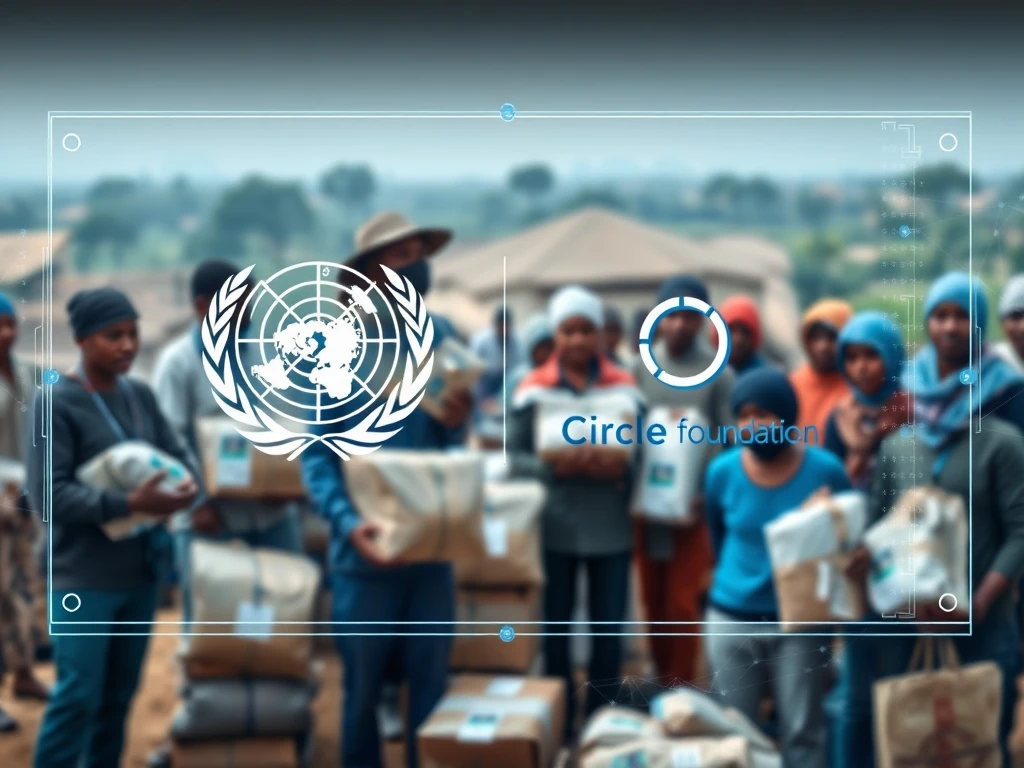
GENEVA, SWITZERLAND – March 15, 2025 – The Circle Foundation has announced a groundbreaking partnership with the United Nations, establishing a digital innovation hub specifically designed to scale regulated stablecoins for global humanitarian aid distribution. This strategic initiative represents a significant advancement in how international organizations deliver financial assistance to vulnerable populations worldwide, leveraging blockchain technology to create more efficient, transparent, and secure aid systems.
Circle Foundation’s UN Partnership Revolutionizes Aid Delivery
The newly established United Nations Digital Innovation Hub, funded through a substantial grant from the Circle Foundation, will focus exclusively on developing and implementing regulated stablecoin solutions for humanitarian operations. This collaboration marks a pivotal moment in the convergence of traditional financial systems and decentralized technologies. The hub will operate as a research and development center, bringing together blockchain experts, financial regulators, and humanitarian professionals to create standardized protocols for digital aid distribution.
According to official statements from both organizations, the initiative aims to address longstanding challenges in humanitarian finance. Traditional aid distribution often faces issues with high transaction costs, slow transfer times, and limited transparency in fund allocation. Furthermore, many crisis-affected regions lack robust banking infrastructure, creating barriers to efficient assistance delivery. The partnership specifically targets these pain points through technological innovation.
The Technical Infrastructure Behind the Initiative
The digital hub will develop a multi-layered technical architecture built on regulated stablecoins, primarily utilizing Circle’s USDC (USD Coin). This approach ensures price stability while maintaining the benefits of blockchain technology. The system will incorporate several key components:
- Regulatory Compliance Frameworks: All stablecoin implementations will adhere to international financial regulations and anti-money laundering standards
- Interoperability Protocols: Systems designed to work across different blockchain networks and traditional banking infrastructure
- Identity Verification Solutions: Secure digital identity systems that protect recipient privacy while preventing fraud
- Real-time Monitoring Tools: Transparent tracking of aid distribution from donor to end recipient
Regulated Stablecoins Transform Humanitarian Economics
The economic implications of this partnership extend far beyond technological innovation. Regulated stablecoins offer distinct advantages for humanitarian organizations operating in complex environments. Traditional aid distribution typically involves multiple currency conversions, banking fees, and administrative overhead that can consume 10-15% of total aid budgets. By contrast, blockchain-based systems using regulated stablecoins can reduce these costs to 1-3%, according to preliminary research from the World Economic Forum.
This efficiency gain translates directly into more resources reaching intended beneficiaries. For example, in a $100 million aid program, the potential savings could fund additional food, medicine, or shelter for thousands of people. The transparency features of blockchain technology also address accountability concerns that have long plagued humanitarian operations. Every transaction becomes permanently recorded on an immutable ledger, creating unprecedented audit trails for donor organizations and regulatory bodies.
| Metric | Traditional Banking | Regulated Stablecoins |
|---|---|---|
| Transfer Time | 3-7 business days | Minutes to hours |
| Transaction Cost | 5-10% of total | 0.5-2% of total |
| Transparency | Limited, delayed reporting | Real-time, immutable records |
| Accessibility | Requires bank accounts | Mobile phone access sufficient |
Expert Perspectives on the Regulatory Landscape
Financial regulation experts emphasize the importance of the “regulated” aspect of this initiative. Dr. Elena Rodriguez, a former IMF advisor now consulting for the UN development program, explains: “The distinction between unregulated cryptocurrencies and regulated stablecoins is crucial for institutional adoption. Circle’s USDC maintains full dollar reserves and operates within established regulatory frameworks. This compliance makes stablecoins viable for large-scale humanitarian applications where accountability and stability are non-negotiable requirements.”
The partnership has already engaged with financial authorities in multiple jurisdictions to ensure cross-border compliance. This includes coordination with the Financial Action Task Force (FATF), the Basel Committee on Banking Supervision, and national regulators in countries where pilot programs will launch. The regulatory groundwork represents a significant investment in legitimacy that distinguishes this initiative from earlier cryptocurrency experiments in humanitarian contexts.
Implementation Timeline and Pilot Programs
The UN Digital Hub has outlined a phased implementation approach beginning with carefully monitored pilot programs in 2025-2026. Initial focus areas include refugee assistance programs in East Africa, disaster relief coordination in Southeast Asia, and conditional cash transfer programs in Latin America. Each pilot will test different aspects of the stablecoin infrastructure while collecting data on effectiveness, user experience, and systemic challenges.
Phase one involves establishing the technical infrastructure and regulatory approvals in three pilot countries. Phase two expands to ten countries with refined protocols based on initial learnings. The final phase envisions a global rollout integrated with existing UN aid distribution systems. This gradual approach allows for continuous improvement while managing risks associated with new financial technologies in vulnerable contexts.
Addressing Digital Inclusion Challenges
A critical component of the initiative involves ensuring digital inclusion for aid recipients. The partnership acknowledges that technology adoption varies significantly across different populations. To address this, the program includes substantial investment in digital literacy training and infrastructure development. This includes partnerships with local telecommunications companies to improve mobile network coverage in underserved areas and the development of simplified user interfaces requiring minimal technical knowledge.
The system will support multiple access methods, including basic feature phones with USSD codes, smartphone applications, and physical distribution points where recipients can convert digital funds to local currency. This multi-channel approach recognizes the diverse technological landscapes in humanitarian contexts and prioritizes accessibility over technological sophistication.
Broader Implications for Global Financial Systems
Beyond immediate humanitarian applications, this partnership signals a broader shift in how international organizations approach financial technology. The United Nations has traditionally been cautious about cryptocurrency adoption due to volatility and regulatory concerns. This endorsement of regulated stablecoins represents a significant policy evolution that may influence other multilateral institutions.
Financial analysts note that successful implementation could accelerate central bank digital currency (CBDC) development in participating countries. The technical and regulatory frameworks developed through this partnership may serve as templates for national digital currency initiatives. Furthermore, the transparency features could set new standards for accountability in international development finance, potentially influencing how bilateral aid programs operate.
Security Considerations and Risk Mitigation
Security remains a paramount concern for any financial system, particularly one handling humanitarian funds. The partnership has implemented multiple layers of security protocols, including:
- Multi-signature wallet technology requiring multiple authorized approvals for large transactions
- Regular third-party security audits of all smart contracts and infrastructure
- Insurance coverage for digital assets held within the system
- Real-time monitoring for suspicious transaction patterns
- Cold storage solutions for reserve funds not immediately needed for distribution
These measures address both technical vulnerabilities and operational risks, creating a robust security framework that meets or exceeds traditional banking standards for humanitarian operations.
Conclusion
The Circle Foundation’s funding of the United Nations Digital Hub represents a transformative moment for both humanitarian aid delivery and regulated stablecoin adoption. This partnership successfully bridges innovative financial technology with established institutional frameworks, creating a model that prioritizes efficiency, transparency, and regulatory compliance. As pilot programs launch throughout 2025, the global community will watch closely to see how regulated stablecoins perform in real-world humanitarian contexts. The initiative’s success could fundamentally reshape how international assistance reaches vulnerable populations while establishing new standards for financial innovation in the public interest. The Circle Foundation UN partnership demonstrates how strategic collaboration between technology providers and global institutions can address complex challenges through regulated, responsible innovation.
FAQs
Q1: What are regulated stablecoins and how do they differ from regular cryptocurrencies?
Regulated stablecoins are digital currencies pegged to stable assets like the US dollar and operating within established financial regulatory frameworks. Unlike volatile cryptocurrencies, they maintain consistent value through reserve backing and comply with anti-money laundering and know-your-customer regulations.
Q2: How will aid recipients without smartphones or internet access benefit from this system?
The system includes multiple access methods, including basic feature phones using USSD codes, physical distribution points, and partnerships with local agents. Digital literacy programs and infrastructure development accompany the technological implementation to ensure inclusive access.
Q3: What measures ensure the security of funds in this digital system?
Security measures include multi-signature wallet technology, regular third-party audits, insurance coverage, real-time transaction monitoring, and cold storage solutions. These protocols meet or exceed traditional banking security standards for humanitarian operations.
Q4: How does this initiative address regulatory concerns across different countries?
The partnership engages proactively with international regulatory bodies like FATF and national authorities in pilot countries. All implementations adhere to local financial regulations while maintaining consistency with international standards through coordinated compliance frameworks.
Q5: What happens if the value of the stablecoin fluctuates or the issuing company experiences problems?
Regulated stablecoins like USDC maintain full reserve backing, with regular attestations from independent accounting firms. The system includes contingency plans and diversified reserve arrangements to ensure stability even under extraordinary circumstances.
Related News
- Federal Reserve Chair Contender: BlackRock CIO Rick Rieder Emerges as Surprising Candidate
- Trump JPMorgan Lawsuit: The $5 Billion Political Debanking Allegation That Could Reshape Finance
- Quantum Computing Bitcoin: The Looming Threat That Could Shatter Cryptocurrency Security