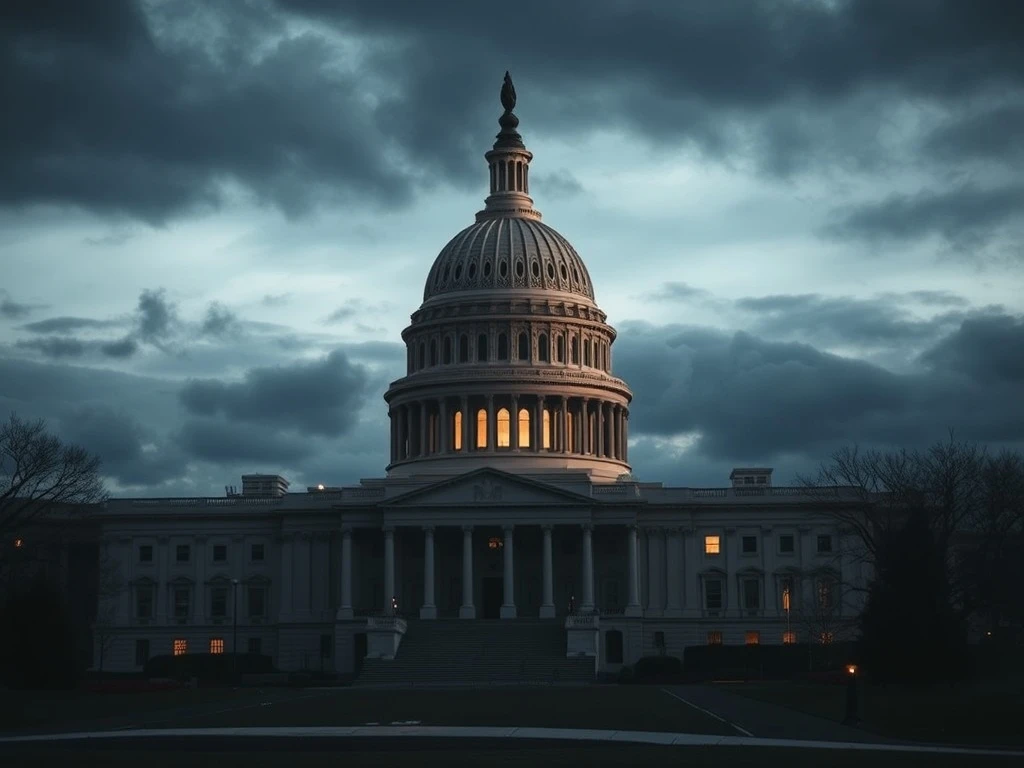
WASHINGTON, D.C. — February 1, 2025 — The U.S. government has officially entered a partial shutdown, a disruptive event triggered by an unexpected delay in the final House vote on the critical federal budget bill. Consequently, this procedural stall creates immediate uncertainty for federal operations and services nationwide. While the Senate previously passed the legislation, the shutdown proceeded because House members are not scheduled to reconvene until February 2, leaving a critical funding gap.
Understanding the U.S. Government Shutdown Mechanism
A partial government shutdown occurs when Congress fails to enact appropriations legislation to fund federal agencies. Therefore, non-essential operations must cease. This current impasse stems directly from the House adjournment before holding a conclusive vote. The Antideficiency Act mandates this cessation of spending without approved funding. Essential personnel, however, continue working without immediate pay.
Key agencies affected typically include:
- National Parks and Museums: Many sites close or offer limited services.
- Environmental and Regulatory Agencies: Permitting and non-emergency monitoring slow.
- Certain IRS Functions: Taxpayer assistance and audit processing face delays.
- Passport Agencies: Processing times for new passports may increase significantly.
Historically, these events cause economic friction and public frustration. For instance, the 2018-2019 shutdown lasted 35 days, profoundly impacting federal workers and contract employees.
Timeline of the Budget Bill Breakdown
The path to this partial shutdown followed a predictable yet stalled congressional timeline. Initially, the Senate negotiated and passed a continuing resolution to extend funding. Subsequently, the bill moved to the House for final approval, the last step before presidential signature. However, last-minute disagreements over amendments and the scheduling of the recess created an insurmountable delay.
House leadership cited unresolved policy riders as a primary reason for postponement. Meanwhile, the existing stopgap funding measure expired at midnight, automatically triggering the shutdown. This sequence highlights the fragile nature of last-minute budget negotiations in a divided Congress.
Expert Analysis on Political and Economic Impacts
Budget analysts and political scientists note recurring patterns. “Shutdowns represent a failure of the basic appropriations process,” explains Dr. Eleanor Vance, a senior fellow at the Brookings Institution. “They undermine public trust and create tangible economic headwinds, from delayed government contracts to reduced consumer spending by furloughed workers.”
Economists project a direct cost. Each week of a full shutdown can reduce quarterly GDP growth by approximately 0.1 to 0.2 percentage points. Additionally, the indirect costs include market uncertainty and delayed business investments reliant on federal approvals. The Congressional Budget Office has previously documented permanent economic losses from prolonged funding gaps, as economic activity never fully recovers.
Immediate Consequences for Federal Workers and Services
The human and operational impact begins immediately. Nearly 800,000 federal employees could face furloughs or be required to work without pay. Essential personnel in areas like air traffic control, law enforcement, and border security remain on duty. However, they will not receive paychecks until funding resumes. Furloughed workers historically received back pay, but this is not guaranteed by law for all.
Public services experience rapid disruption. For example:
- Social Security and Medicare: Benefit payments continue, but new verification and card issuance halt.
- Federal Courts: They may operate for a limited time using prior fee balances.
- Scientific Research: Grants are not awarded, and long-term studies face damaging pauses.
- Small Business Administration: Loan approvals and assistance programs stop abruptly.
This degradation of service delivery affects millions of Americans relying on consistent government functions.
Comparative Analysis of Past Shutdown Scenarios
This event marks the fifth partial shutdown in the past decade. A brief comparison provides context for its potential scale and resolution.
| Year | Duration | Primary Cause | Key Impact |
|---|---|---|---|
| 2013 | 16 days | Affordable Care Act dispute | $24 billion economic loss |
| 2018-2019 | 35 days | Border wall funding | Federal worker hardship, airport delays |
| 202X (Current) | TBD | House vote delay, policy riders | Service interruptions, economic uncertainty |
Each instance shares a common thread: political brinkmanship overriding routine governance. The 2025 episode appears unique due to its origin in a scheduling delay rather than a stark policy veto point. Nevertheless, the outcomes for public administration remain similarly negative.
Path to Resolution and Reopening the Government
The immediate path forward requires the House of Representatives to convene and hold a vote. Speaker of the House and Majority Leader schedules dictate this timeline. Once the House passes an identical bill to the Senate’s version, it proceeds to the President for enactment. Upon signing, agencies reactivate furloughed employees and restore services, a process that may take several days.
Long-term solutions proposed by governance experts include:
- Automatic Continuing Resolutions: Legislation to fund agencies at current levels if new bills lapse.
- Biennial Budgeting: Moving to a two-year budget cycle to reduce annual standoffs.
- Shutdown Prevention Acts: Bills ensuring back pay and limiting which agencies can close.
However, these reforms require bipartisan support, which remains elusive. The current political climate suggests short-term fixes will continue to dominate.
Conclusion
The U.S. government partial shutdown underscores persistent vulnerabilities in the federal budgeting process. This disruption, caused by a House vote delay, imposes real costs on the economy, federal workers, and public service delivery. While the Senate passed the necessary funding, the House adjournment created an avoidable gap. Ultimately, resolving this U.S. government shutdown requires swift legislative action upon the chamber’s return. The event serves as a stark reminder of the need for more stable and predictable governance mechanisms to prevent future crises.
FAQs
Q1: What is a partial government shutdown?
A partial government shutdown occurs when Congress fails to pass funding legislation for some federal agencies before a deadline. Consequently, these agencies must stop non-essential functions and furlough employees until funding is restored.
Q2: Why did this shutdown happen if the Senate passed a bill?
The shutdown happened because the House of Representatives adjourned without holding a final vote on the bill the Senate passed. Therefore, the legislation could not proceed to the President to become law before funding expired.
Q3: Which government services are affected immediately?
Affected services often include national park operations, passport and visa processing, IRS taxpayer assistance, federal museum openings, and various regulatory and research activities. However, essential services like national security and air traffic control continue.
Q4: Do federal employees get paid during a shutdown?
Essential employees working during a shutdown and furloughed employees do not receive paychecks until after funding is restored. Historically, Congress has approved back pay for both groups, but it is not automatically guaranteed by statute.
Q5: How can the government reopen?
The government reopens when Congress passes, and the President signs, the necessary appropriations legislation. In this case, the House must reconvene, pass the funding bill, and send it to the President for his signature to end the partial shutdown.
Related News
- Jupiter Launches Revolutionary Solana Ecosystem Explorer: Unprecedented Transparency for Crypto Investors
- Bitcoin Price Plummets Below $83,000: Analyzing the Sudden Market Shift
- Changpeng Zhao Stuns Crypto Community by Unfollowing Solana Founder After Critical Post