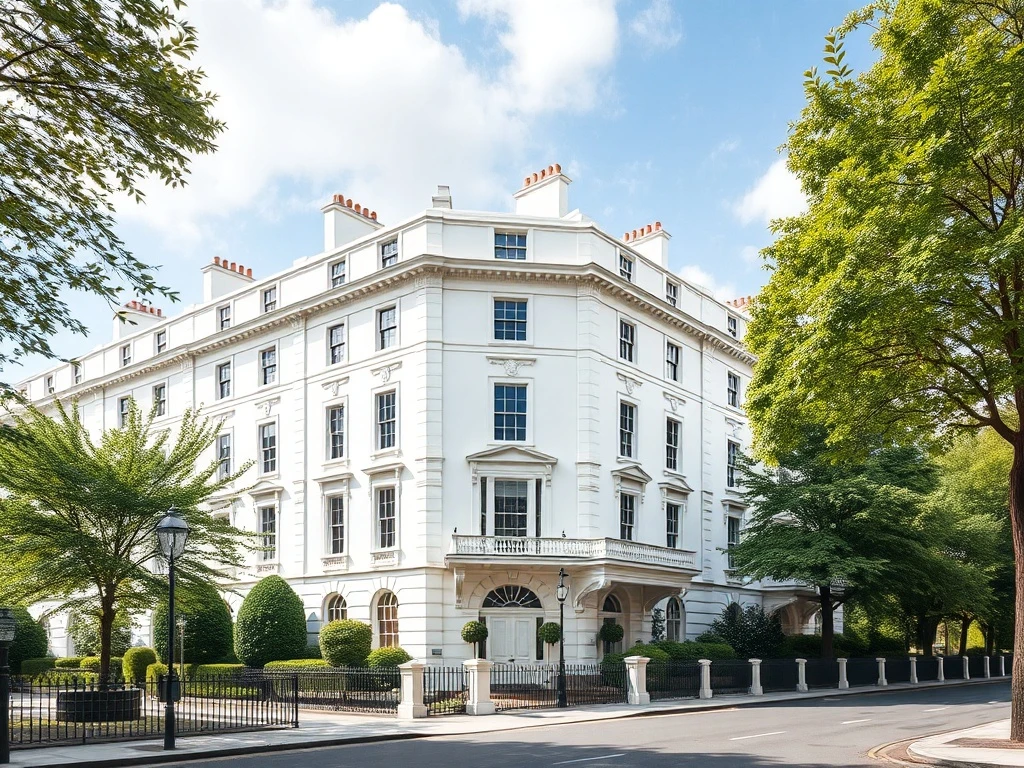
In a landmark transaction that underscores the substantial wealth generation within the cryptocurrency sector, Stani Kulechov, the visionary founder behind the decentralized finance protocol Aave, has acquired a prestigious mansion in London’s Notting Hill for a reported $30 million. This significant real estate purchase, confirmed by industry publication The Block in late 2024, represents more than a personal milestone; it serves as a tangible indicator of the maturing economic impact of blockchain technology. Consequently, the deal invites analysis of crypto-native wealth, high-end property markets, and the evolving narrative of digital asset success.
Aave Founder Stani Kulechov Makes Major Real Estate Move
Stani Kulechov, a Finnish entrepreneur, founded the Aave protocol in 2017. Originally named ETHLend, the platform evolved into a leading force in decentralized lending and borrowing. Under Kulechov’s leadership, Aave pioneered innovative features like flash loans and interest rate switching. The protocol’s native token, AAVE, achieved a multi-billion dollar market capitalization at its peak. Therefore, Kulechov’s financial success is intrinsically linked to the protocol’s adoption and performance within the volatile crypto market.
The property itself is located in Notting Hill, one of London’s most exclusive and recognizable districts. Famous for its colorful Victorian houses, boutique shops, and the annual Notting Hill Carnival, the area has long been a magnet for global ultra-high-net-worth individuals. A $30 million price point places the transaction firmly within the super-prime London real estate market. This sector has seen consistent demand from international buyers despite broader economic uncertainties. For instance, data from LonRes shows that prime central London property prices have demonstrated resilience compared to other UK regions.
Context of Crypto Wealth and Luxury Asset Acquisition
Kulechov’s purchase is not an isolated event but part of a broader trend of cryptocurrency entrepreneurs converting digital wealth into traditional hard assets. This process, often called “cashing out” or portfolio diversification, involves several key steps. First, founders and early investors typically hold assets in native protocol tokens or cryptocurrency like Bitcoin or Ethereum. Second, they may liquidate a portion through regulated exchanges or over-the-counter (OTC) desks to secure fiat currency. Finally, they deploy that capital into assets like real estate, art, or venture investments.
Several other high-profile examples precede this transaction. For instance, Ethereum co-founder Vitalik Buterin has been known to make significant philanthropic donations. Similarly, early Bitcoin investors, often called “whales,” have purchased luxury properties from Miami to Switzerland. However, Kulechov’s acquisition is notable for its specific location and public reporting. It highlights London’s enduring appeal as a global financial and lifestyle hub for the new tech elite. Moreover, it demonstrates the liquidity now available to successful project founders after multiple market cycles.
Analyzing the Impact on Crypto and Traditional Finance Perceptions
This real estate deal carries symbolic weight for both the cryptocurrency industry and traditional finance observers. From an internal perspective, it can be viewed as a sign of legitimacy and lasting success. It moves beyond speculative trading gains and shows the creation of durable, generational wealth built on open-source software and community governance. Externally, it forces traditional financial institutions and real estate agencies to acknowledge the spending power of crypto-native individuals. Consequently, it may accelerate the development of specialized services for this new clientele, such as crypto-to-property transaction facilitation.
Nevertheless, analysts caution against viewing single purchases as broad indicators. The crypto market remains highly cyclical, and wealth can be as volatile as the underlying assets. Regulatory scrutiny around the source of funds for such large purchases is also intensifying globally. The UK, in particular, has strengthened its money laundering regulations for property transactions, requiring rigorous checks on the origin of wealth. Therefore, a transparent and compliant purchase like this one can help build a constructive narrative for the industry.
The Technical and Economic Backbone of Aave’s Success
To fully understand the capital behind this purchase, one must examine the Aave protocol’s mechanics and economic model. Aave operates as a decentralized, non-custodial liquidity market. Users can deposit digital assets to earn interest or borrow assets by providing collateral. The protocol’s security and governance are managed by AAVE token holders. Key revenue flows include a percentage of the interest spread between lenders and borrowers. As a foundational DeFi building block, Aave has facilitated tens of billions of dollars in transaction volume since its launch.
Core Components of the Aave Ecosystem:
- Liquidity Pools: Users supply assets to pools to earn a passive yield.
- Overcollateralized Loans: Borrowers must deposit collateral worth more than the loan value.
- AAVE Governance Token: Holders vote on protocol upgrades and parameter changes.
- Safety Module: AAVE can be staked as a backstop against shortfall events.
The value accrual to the AAVE token and the founding team’s treasury is complex. However, successful protocol growth directly increases the value of the ecosystem. This growth has enabled founders like Kulechov to realize financial gains. It is a modern example of value creation in the software-driven economy, albeit with the added dimensions of decentralization and global, permissionless access.
London’s Property Market and High-Profile Tech Buyers
London’s luxury property market has historically attracted wealth from various sectors: finance, commodities, industry, and inheritance. The entrance of significant capital from the technology and cryptocurrency sectors represents a newer, dynamic segment. Purchases by tech founders differ in some aspects from traditional buyers. Often, the wealth is self-made and accumulated rapidly. Furthermore, the buyers may be younger and have different lifestyle or investment priorities.
A comparative view of recent high-value London purchases by tech figures illustrates this trend:
| Buyer (Sector) | Approx. Price | Area | Year |
|---|---|---|---|
| Stani Kulechov (Crypto/DeFi) | $30 Million | Notting Hill | 2024 |
| Various Tech Executives (AI/Software) | $15-40 Million | Mayfair, Kensington | 2022-2024 |
| International Fintech Founder | £25 Million | Belgravia | 2023 |
This influx of capital supports high-end real estate prices and related industries. However, it also sparks discussions about housing affordability and wealth concentration. The transaction occurs against a backdrop of economic challenges for many, creating a stark contrast that often draws public and media attention to such deals.
Conclusion
The purchase of a $30 million London mansion by Aave founder Stani Kulechov is a multifaceted event with significance beyond a simple property transfer. It acts as a concrete benchmark for the wealth generated within the decentralized finance sector. Furthermore, it highlights the ongoing integration of crypto-native capital into traditional asset classes like luxury real estate. For the Aave protocol and the broader DeFi community, it symbolizes a level of maturity and financial success that fuels further innovation and legitimacy. As the cryptocurrency industry continues to evolve, the movement of capital from digital ledgers to tangible assets will remain a critical area of observation for economists, regulators, and market participants alike.
FAQs
Q1: Who is Stani Kulechov?
Stani Kulechov is a Finnish entrepreneur and the founder of Aave, a leading decentralized finance (DeFi) lending and borrowing protocol built on the Ethereum blockchain.
Q2: What is the Aave protocol?
Aave is an open-source, non-custodial DeFi protocol that allows users to lend, borrow, and earn interest on cryptocurrency assets without intermediaries like banks.
Q3: Where exactly did Stani Kulechov buy the mansion?
The property is located in the Notting Hill area of London, England. Notting Hill is a prime central London district known for its high property values and affluent residents.
Q4: Why is this purchase significant for the cryptocurrency industry?
It demonstrates the substantial real-world wealth that can be created through successful blockchain projects, lending credibility to the sector and showing the liquidity available to its pioneers.
Q5: How do crypto founders typically convert tokens to cash for such purchases?
They usually sell a portion of their holdings through regulated cryptocurrency exchanges or private over-the-counter (OTC) trading desks. The fiat proceeds are then transferred through traditional banking channels, subject to standard anti-money laundering checks.
Related News
- Australian Banks Blocking Crypto: Coinbase Exposes Alarming De-Banking Crisis Threatening Financial Innovation
- Bitwise Partners With ING Germany to Offer Discounted Crypto-ETP Trading: A Strategic Expansion
- BTC Loans: Xapo Bank Reveals Strategic Shift Toward Long-Term Financial Planning