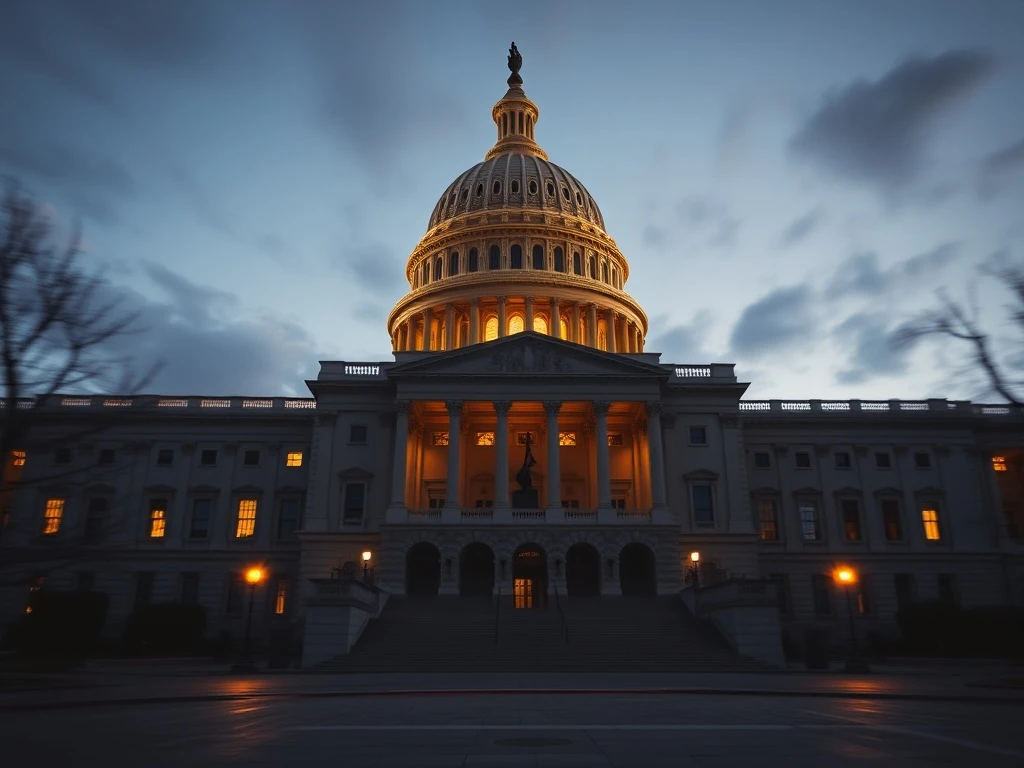
WASHINGTON, D.C., October 26, 2025 – The United States House of Representatives has taken a decisive step toward resolving the ongoing federal government shutdown by passing a critical procedural vote. This legislative action, reported by Walter Bloomberg, clears the path for the Fiscal Year 2026 budget process to advance. Consequently, the House now plans to hold final votes on the majority of its annual spending bills later today, potentially ending a disruptive period of government paralysis.
Government Shutdown Progress Through Key House Vote
The procedural vote represents a significant breakthrough in a protracted budgetary standoff. Specifically, lawmakers approved a rule to govern debate on the appropriations legislation. This rule passage allows the House to proceed to final consideration of the spending packages. Furthermore, this move signals growing consensus among congressional leaders to restore full government operations. The vote tally, while not immediately released in full, reportedly garnered sufficient bipartisan support to pass.
This development follows weeks of intense negotiations and stopgap funding failures. Historically, such procedural votes often serve as accurate predictors of final passage. The Office of Management and Budget had previously warned of escalating economic damage from a prolonged shutdown. Now, federal agencies and the millions of Americans who depend on their services await the final legislative outcome with cautious optimism.
Understanding the FY2026 Budget Process
The current legislative effort focuses on the Fiscal Year 2026 federal budget. This complex process involves twelve separate appropriations bills that fund all government departments. Each bill allocates money to specific agencies and programs. The House aims to vote on eleven of these twelve bills today. The remaining bill may face separate consideration due to particularly contentious policy riders.
Key departments funded by these bills include:
- Defense and Military Construction
- Labor, Health and Human Services, and Education
- Homeland Security
- Financial Services and General Government
Passage of these bills in the House does not guarantee immediate law. The Senate must also pass identical legislation, and the President must sign it. However, today’s action breaks a major logjam in the first chamber. The Congressional Budget Office has consistently emphasized the economic necessity of timely appropriations.
Expert Analysis on Shutdown Resolution Dynamics
Dr. Eleanor Vance, a senior fellow at the Brookings Institution and former congressional budget staffer, provided context. “Procedural votes like this one are the legislative plumbing,” she explained. “They are rarely controversial unless the underlying bills lack support. The fact that it passed suggests leadership has secured the necessary votes for final passage.” Dr. Vance noted that shutdowns typically end when political pain exceeds perceived gain, a threshold that appears to have been reached.
Data from past shutdowns supports this analysis. The 2018-2019 shutdown, the longest in history, ended after 35 days amid mounting pressure. Economic analysts at Moody’s Analytics estimated that shutdown cost the U.S. economy approximately $11 billion. While the current shutdown is shorter, its daily impact on federal workers, contractors, and beneficiaries remains severe. The procedural vote, therefore, marks a pivotal turn toward mitigation.
Immediate Impacts and Next Steps
The immediate effect of the vote is procedural, not substantive. Government functions will not restart until the appropriations bills pass and are enacted. However, it sets a clear timeline. The House will now move to final passage votes on the individual spending bills. Senate Majority Leader has indicated the upper chamber stands ready to act swiftly upon receiving House-passed bills.
For federal employees, this news brings hope. Over 800,000 workers have been furloughed or worked without pay. Essential services like airport security and law enforcement continued, but without guaranteed compensation. National parks, permitting offices, and regulatory agencies faced widespread closures. The vote initiates the process to rectify these disruptions.
| Year | Duration | Catalyst for Resolution |
|---|---|---|
| 2013 | 16 days | Short-term continuing resolution |
| 2018-2019 | 35 days | Bipartisan conference committee deal |
| 2025 (Current) | Ongoing | House procedural vote on FY2026 appropriations |
Market reaction has been cautiously positive. Futures for major indices ticked upward following the news. Bond markets, however, showed little movement, reflecting remaining uncertainty about Senate action. The Treasury Department’s extraordinary measures to avoid breaching the debt ceiling continue unaffected by this appropriations process.
Conclusion
The U.S. House of Representatives’ procedural vote marks the most concrete progress yet toward ending the 2025 government shutdown. By advancing the rule for the FY2026 appropriations bills, the chamber has paved the way for final votes that could restore funding to federal agencies. While significant hurdles remain in the Senate, this action demonstrates a critical shift in political momentum. The nation now watches as legislators work to conclude a damaging period of governmental dysfunction and provide stability for the coming fiscal year.
FAQs
Q1: What exactly is a procedural vote in the House?
A procedural vote, often on a “rule,” sets the terms for debating and amending a bill. Its passage is necessary before a final vote can occur and usually indicates the underlying bill has enough support to pass.
Q2: Does this vote immediately end the government shutdown?
No. The shutdown continues until the actual appropriations bills are passed by both the House and Senate and signed into law by the President. This vote is a crucial step in that process.
Q3: What are appropriations bills?
Appropriations bills are the laws passed by Congress each year to fund federal government agencies and programs. There are twelve regular appropriations bills that correspond to different areas of government spending.
Q4: What happens if the Senate does not agree with the House bills?
The Senate must pass identical legislation. If versions differ, a conference committee with members from both chambers will negotiate a compromise bill, which then must be repassed by both the House and Senate.
Q5: When will federal employees receive back pay?
Historically, Congress has authorized back pay for furloughed employees after a shutdown ends. The timing depends on the specific legislation passed and each agency’s payroll processes, but it typically occurs within one to two pay periods.
Related News
- Bitcoin Accumulation: Strategic Analysis Reveals May-July as Prime Window for Savvy Investors
- USDT Transfer Stuns Market: 200 Million Mystery Deposit Hits Binance, Signaling Potential Volatility
- MicroStrategy Bitcoin Loss: The Staggering $750M Unrealized Deficit Shaking Corporate Crypto