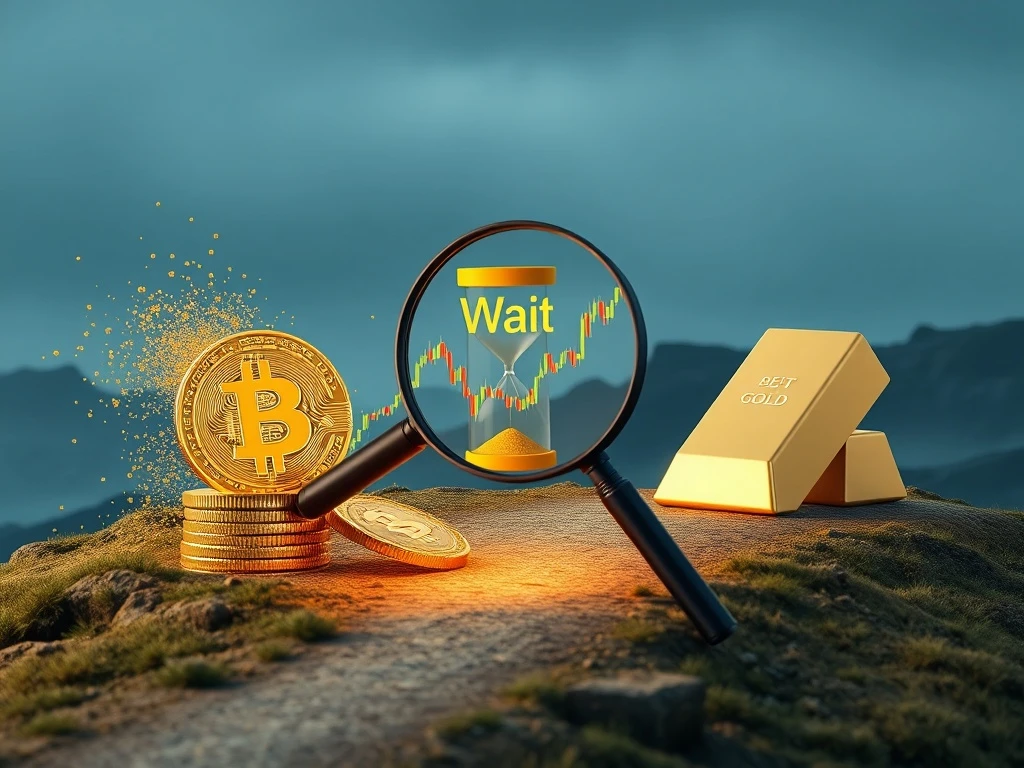
Prominent investor and author Robert Kiyosaki has executed a significant portfolio maneuver, announcing the sale of a portion of his Bitcoin and gold holdings. The ‘Rich Dad Poor Dad’ author now adopts a patient stance, publicly waiting for a new market bottom before re-entering. This tactical shift, communicated via social media platform X, arrives during a period of notable volatility across digital and traditional asset classes. Consequently, it sparks immediate analysis regarding its implications for retail investor sentiment and near-term market direction.
Analyzing Robert Kiyosaki’s Bitcoin and Precious Metals Sale
Robert Kiyosaki’s recent disclosure confirms a partial exit from Bitcoin and gold positions. This action follows his earlier public commentary suggesting a ‘sale’ had begun across these asset types. Importantly, Kiyosaki framed this not as a full exit but as a strategic repositioning. He explicitly stated his intent to buy back in the future, highlighting a core tenet of his philosophy: profits materialize from shrewd purchases, not merely from sales. Furthermore, his announcement included specific historical entry points, providing a transparent benchmark for his market outlook. For Bitcoin, his cited buy-in was $6,000, while gold and silver were $300 and $60 per ounce, respectively.
Market analysts quickly contextualized this move within broader financial trends. The decision coincides with macroeconomic pressures, including fluctuating interest rate expectations and geopolitical tensions that often influence safe-haven assets like gold and speculative assets like Bitcoin. Simultaneously, cryptocurrency markets have experienced heightened volatility following the approval of U.S. spot Bitcoin ETFs, which introduced new institutional dynamics. Kiyosaki’s action, therefore, is interpreted by some as a risk-management step amid uncertain conditions rather than a long-term bearish conviction on the assets themselves.
The ‘Rich Dad’ Investment Philosophy in a Digital Age
Kiyosaki’s strategy is deeply rooted in principles outlined in his bestselling book, ‘Rich Dad Poor Dad.’ A central theme involves acquiring assets that generate cash flow or possess store-of-value characteristics, especially during market downturns. His approach to Bitcoin and precious metals aligns with viewing them as hedges against traditional fiat currency systems and inflation. By selling a portion now, he practices tactical asset allocation, aiming to increase his holdings later at more favorable prices. This demonstrates an active, rather than passive, investment mindset applied to the digital asset space.
Notably, Kiyosaki also mentioned his Ethereum holdings, stating he possesses ‘enough’ but plans to acquire more later. This brief remark underscores a diversified approach within the crypto sector, recognizing different blockchain ecosystems and use cases. It also suggests his current focus is on timing the broader market cycle for core assets like Bitcoin, rather than expressing a loss of faith in cryptocurrency technology as a whole. His public communication style, sharing specific price targets and intentions, is unusual for major investors but aligns with his brand of educating retail investors on financial strategy.
Historical Context and Market Bottom Indicators
Identifying a genuine market bottom is a complex challenge that eludes even seasoned professionals. Historically, Bitcoin bottoms have formed after prolonged bear markets, often characterized by extreme negative sentiment, low trading volumes, and miner capitulation. Key technical and on-chain metrics analysts monitor include:
- MVRV Ratio: Measures whether the asset is undervalued relative to its historical realized capitalization.
- Hash Ribbons: Indicators signaling miner stress, which often precedes major price reversals.
- Exchange Net Flow: Sustained outflows from exchanges can signal accumulation and reduced selling pressure.
- Long-Term Holder Behavior: The spending patterns of wallets holding coins for over 155 days.
Kiyosaki’s reference to his $6,000 Bitcoin entry point dates back to the market cycle surrounding the 2020 COVID-19 crash. That bottom preceded a historic bull run. His current wait for a ‘new bottom’ implies an expectation of a significant correction from recent price levels. However, market structure has evolved dramatically since 2020 with the maturation of derivatives markets, institutional participation via ETFs, and global regulatory developments. These factors may influence the depth and formation of any future bottom, making direct historical comparisons challenging.
Expert Perspectives on Strategic Portfolio Rebalancing
Portfolio rebalancing is a standard practice in traditional and digital asset management. Financial advisors often recommend periodic adjustments to maintain a target asset allocation and lock in gains. Kiyosaki’s move can be viewed through this lens. For instance, if his Bitcoin and gold allocations grew beyond a target percentage due to price appreciation, selling a portion returns the portfolio to its intended risk profile. This disciplined approach contrasts with emotional trading driven by fear or greed.
Several fund managers and crypto analysts have commented on the psychological impact of such announcements. While a single investor’s actions do not dictate market direction, Kiyosaki’s substantial public following can influence retail trader behavior. This potential effect highlights the growing intersection between social media sentiment and market movements in the digital age. Nevertheless, most experts caution against blindly following any individual’s trades, emphasizing the importance of personal risk tolerance, investment horizon, and independent research.
The Interplay Between Bitcoin, Gold, and Macroeconomic Forces
Kiyosaki’s simultaneous treatment of Bitcoin and gold is noteworthy. Traditionally, gold is viewed as the ultimate safe-haven asset during economic turmoil. Bitcoin, meanwhile, has exhibited correlations with risk-on assets like tech stocks but is also increasingly debated as ‘digital gold.’ By grouping them together, Kiyosaki reinforces a narrative that both serve as hedges against monetary debasement and systemic financial risk. Current macroeconomic conditions provide a critical backdrop:
| Factor | Potential Impact on Gold | Potential Impact on Bitcoin |
|---|---|---|
| High Inflation | Positive (Store of Value) | Mixed (Speculative Asset) |
| Rising Interest Rates | Negative (Opportunity Cost Rises) | Negative (Liquidity Tightens) |
| Geopolitical Instability | Positive (Safe Haven) | Uncertain (Variable Reaction) |
| U.S. Dollar Strength | Negative (Priced in USD) | Negative (Priced in USD) |
This complex environment makes timing the market exceptionally difficult. Kiyosaki’s strategy of stepping aside to wait for clarity reflects one method of navigating this uncertainty. It also acknowledges that both asset classes, despite their perceived hedge qualities, can experience prolonged drawdowns during aggressive monetary tightening cycles. His patience suggests a belief that more attractive entry points will emerge once these macro headwinds show signs of abating.
Conclusion
Robert Kiyosaki’s decision to sell some Bitcoin and gold represents a tactical pivot based on his assessment of current market valuations and macroeconomic risks. His public declaration of waiting for a new market bottom provides a clear case study in applied investment philosophy, emphasizing strategic purchasing over impulsive trading. While his actions influence public discourse, they underscore a universal principle: successful investing requires discipline, patience, and a well-defined strategy tailored to individual goals. The coming months will reveal whether this patient wait for a new Bitcoin market bottom aligns with the broader market’s trajectory, offering lessons for investors navigating the volatile intersection of traditional finance and digital assets.
FAQs
Q1: Why did Robert Kiyosaki sell his Bitcoin?
Robert Kiyosaki sold a portion of his Bitcoin and gold holdings as a strategic rebalancing act. He publicly stated he is waiting for a new market bottom to repurchase these assets at lower prices, adhering to his investment philosophy that profits are made on the purchase.
Q2: What price does Kiyosaki consider a bottom for Bitcoin?
While he did not specify a new target price, Kiyosaki referenced his previous Bitcoin entry point at $6,000. His current strategy involves patiently monitoring the market for signs of a bottom formation before committing new capital.
Q3: Does Kiyosaki still believe in Bitcoin and cryptocurrency?
Yes, his statements indicate continued belief. He framed the sale as a temporary tactical move, not a long-term exit. He also mentioned holding Ethereum and planning future purchases, confirming his ongoing engagement with the crypto asset class.
Q4: How should retail investors interpret this move?
Investors should view this as one individual’s strategy based on his specific risk tolerance and market outlook. Experts universally advise against blindly copying trades. Instead, use such news as a prompt for personal research and to review your own investment plan and asset allocation.
Q5: What are common indicators of a Bitcoin market bottom?
Common technical and on-chain indicators analysts watch include the MVRV Ratio signaling undervaluation, sustained negative exchange flows indicating accumulation, miner capitulation metrics like Hash Ribbons, and a decline in active addresses suggesting seller exhaustion. However, no single indicator is foolproof.
Related News
- Cryptocurrency Market Bottom Remains Elusive: Jefferies Reveals Critical Warning Signs Amid Ongoing Crash
- Quack AI’s Thriving ‘AI x Web3 Builders’ Event Connects Innovators at Consensus Hong Kong 2026
- Tether’s $150 Million Gold.com Investment: A Revolutionary Leap for Tokenized Gold Access