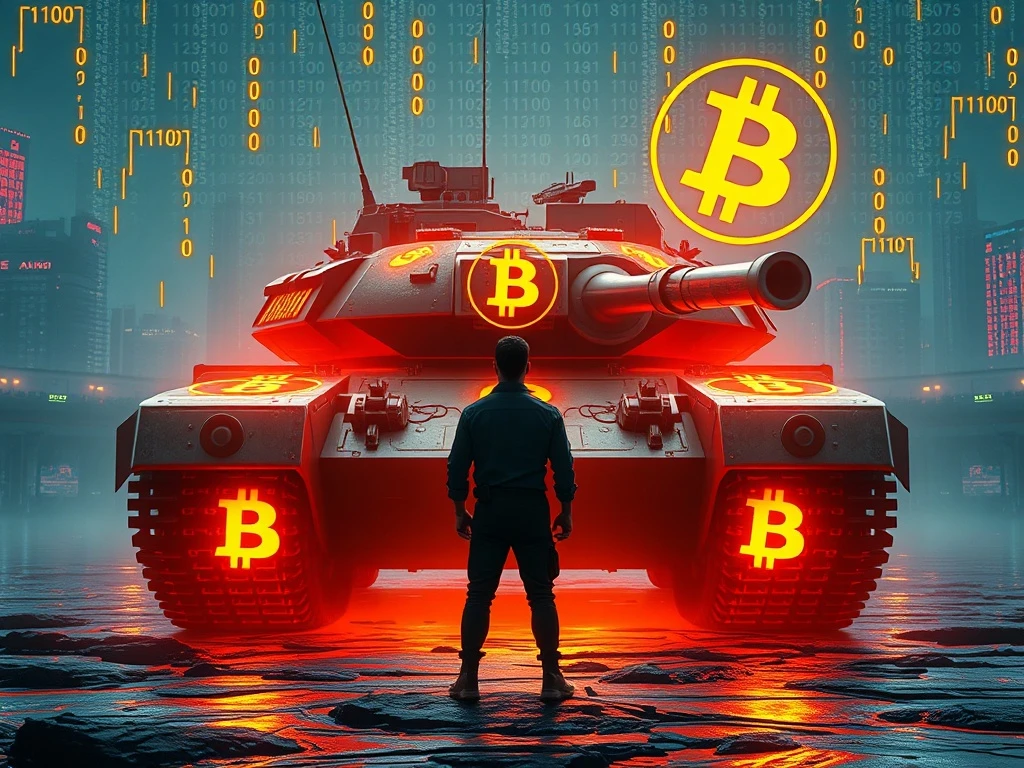
On November 15, 2018, during the contentious Bitcoin Cash hard fork in Hong Kong, a single protester created an enduring symbol of cryptocurrency’s governance struggles—the Bitcoin Cash Tank Man. This forgotten moment encapsulates the fierce ideological battles that shape blockchain evolution.
The Bitcoin Cash Tank Man Incident Explained
During the 2018 Bitcoin Cash hard fork debate, a protester famously stood before an armored vehicle outside the Hong Kong Convention Centre. This symbolic act mirrored historical protests while representing the cryptocurrency community’s internal conflicts. The Bitcoin Cash network faced a critical governance decision between two development teams: Bitcoin ABC and Bitcoin SV.
Furthermore, the protest occurred during heightened tensions about blockchain’s future direction. The Bitcoin Cash community debated fundamental protocol changes, including block size increases and new opcodes. Consequently, this physical demonstration highlighted how digital disagreements manifest in real-world actions.
Historical Context of the Bitcoin Cash Split
The Bitcoin Cash network originated from Bitcoin’s 2017 hard fork, primarily addressing scalability concerns. By 2018, the community developed divergent visions about the project’s technical roadmap. Bitcoin ABC advocated for implementing canonical transaction ordering and other protocol upgrades.
Meanwhile, Bitcoin SV proponents championed restoring original Bitcoin protocol specifications while dramatically increasing block sizes. These technical disagreements reflected deeper philosophical divides about blockchain governance models. The Hong Kong meeting aimed to resolve these differences but instead highlighted irreconcilable positions.
| Feature | Bitcoin ABC (BCH) | Bitcoin SV (BSV) |
|---|---|---|
| Block Size | 32 MB | 128 MB initially |
| New Opcodes | Yes | No |
| Canonical Transaction Ordering | Implemented | Rejected |
| Primary Advocates | Amaury Séchet, Roger Ver | Craig Wright, Calvin Ayre |
Governance Models in Cryptocurrency
Blockchain governance typically follows several models that the Bitcoin Cash conflict exemplified:
- Developer Governance: Core developers propose and implement changes
- Miner Governance: Miners signal support through hash power
- Economic Governance: Node operators and users determine chain validity
- Hybrid Approaches: Combinations of the above systems
The Bitcoin Cash Tank Man protest visually represented community members feeling excluded from these governance processes. Additionally, the incident demonstrated how cryptocurrency debates extend beyond online forums into physical spaces.
Impact on Cryptocurrency Community Dynamics
The Bitcoin Cash hard fork and accompanying protests significantly affected cryptocurrency community relationships. Market reactions immediately followed the chain split, with both BCH and BSV experiencing volatility. Moreover, the incident influenced how other blockchain projects approached governance decisions.
Exchange platforms faced technical challenges supporting both chains while protecting user assets. This event also highlighted the importance of clear communication during contentious hard forks. Consequently, many projects developed more formalized governance frameworks afterward.
Symbolic Meaning in Digital Protest Culture
The Bitcoin Cash Tank Man image resonates within cryptocurrency culture for several reasons. First, it connects digital asset governance to historical protest imagery. Second, it represents individual resistance against perceived centralized control in decentralized systems.
Cryptocurrency communities often use symbolic imagery to express ideological positions. The Tank Man reference specifically evokes themes of individual versus institutional power. This symbolism continues influencing how blockchain communities visualize governance conflicts.
Expert Perspectives on Blockchain Governance
Dr. Sarah Johnson, blockchain governance researcher at Cambridge University, explains: “The Bitcoin Cash conflict demonstrated governance challenges in permissionless systems. When stakeholders have fundamentally different visions, chain splits become inevitable. The protest imagery highlighted human elements often overlooked in technical discussions.”
Industry analysts note the incident accelerated governance innovation across cryptocurrency projects. Many platforms subsequently implemented formal improvement proposal processes and stakeholder voting mechanisms. These developments aim to prevent similar contentious hard forks through structured decision-making.
Technological Consequences of the 2018 Fork
The Bitcoin Cash split produced two distinct blockchain networks with different technical trajectories. Bitcoin Cash (BCH) continued implementing protocol upgrades including:
- Canonical transaction ordering (2019)
- Segregated Witness compatibility improvements
- Various opcode reactivations and additions
Bitcoin SV (BSV) pursued massive scaling through enormous block sizes, eventually processing gigabyte-sized blocks. The technological divergence created two ecosystems with different use cases and development communities. This split also affected miner economics and network security considerations for both chains.
Media Coverage and Historical Documentation
Initial media coverage focused primarily on market impacts and technical details of the fork. However, the protest imagery received less attention than the cryptocurrency industry’s internal discussions. Over time, the Bitcoin Cash Tank Man became symbolic within blockchain governance literature.
Academic researchers increasingly reference the incident when discussing cryptocurrency community dynamics. The event provides a case study for how decentralized networks manage fundamental disagreements. Documentation exists primarily through social media posts, forum discussions, and attendee accounts rather than traditional media sources.
Conclusion
The Bitcoin Cash Tank Man represents a pivotal moment in cryptocurrency history, symbolizing governance challenges in decentralized systems. This forgotten story highlights how technical disagreements manifest in symbolic protests with lasting cultural impact. The Bitcoin Cash hard fork demonstrated both the strengths and limitations of blockchain governance models, influencing subsequent industry developments. Understanding this incident provides crucial context for current debates about cryptocurrency evolution and community decision-making processes.
FAQs
Q1: What was the Bitcoin Cash Tank Man protest about?
The protest occurred during the 2018 Bitcoin Cash hard fork debate in Hong Kong, symbolizing community resistance against perceived centralized decision-making in the blockchain’s governance process.
Q2: When did the Bitcoin Cash split happen?
The Bitcoin Cash network underwent a contentious hard fork on November 15, 2018, resulting in two separate blockchains: Bitcoin Cash (BCH) and Bitcoin SV (BSV).
Q3: What were the main technical disagreements in the Bitcoin Cash fork?
Primary disagreements included block size limits, implementation of canonical transaction ordering, addition of new opcodes, and fundamental differences in development philosophy between Bitcoin ABC and Bitcoin SV teams.
Q4: How did the Bitcoin Cash Tank Man incident affect cryptocurrency governance?
The incident highlighted governance challenges in decentralized networks, leading many projects to develop more formal decision-making processes, including improvement proposal systems and stakeholder voting mechanisms.
Q5: Why is the Bitcoin Cash Tank Man story important for cryptocurrency history?
This story demonstrates how ideological and technical disagreements in blockchain communities can manifest in symbolic protests, providing insights into cryptocurrency governance evolution and community dynamics during contentious decisions.
Related News
- South Korea Crypto Regulation: Unprecedented Crackdown on Market Manipulation and IT Failures
- Bitwise Crypto ETPs Secure Pivotal Italian Listing, Expanding European Investor Access
- USDC Minted: Stunning 250 Million Stablecoin Injection Signals Major Crypto Liquidity Shift