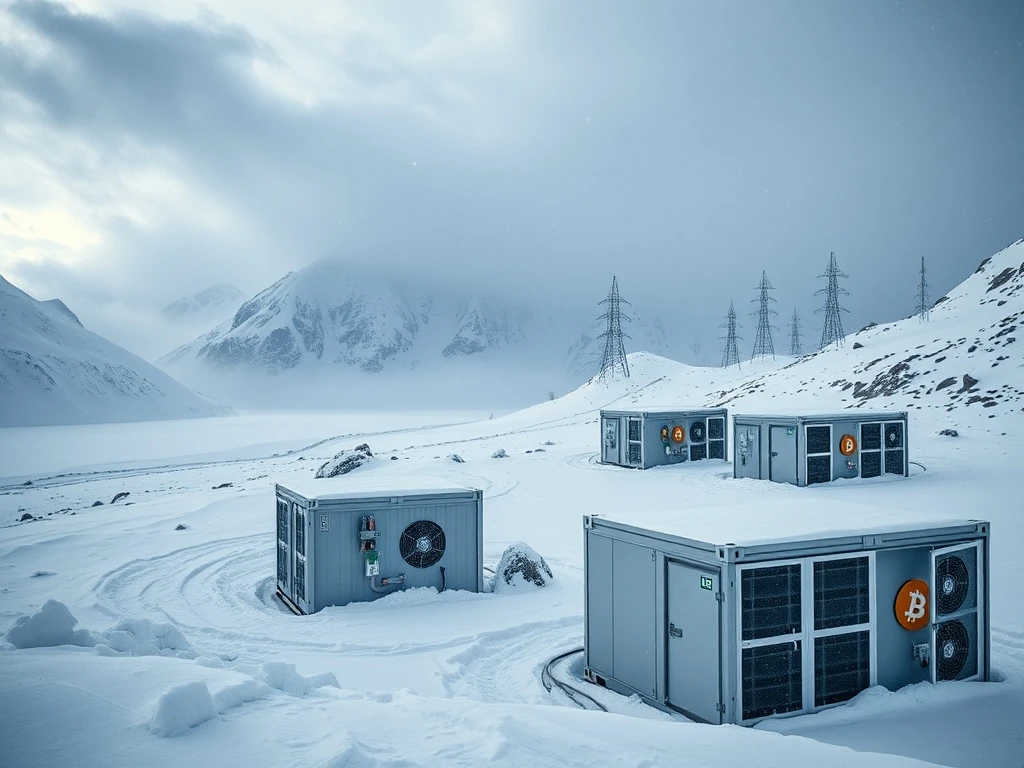
A severe Arctic storm front has paralyzed Bitcoin mining operations across multiple U.S. states, causing network block times to stretch beyond 12 minutes and revealing critical vulnerabilities in cryptocurrency infrastructure. This unprecedented weather event, affecting mining facilities from Texas to North Dakota since February 15, 2025, demonstrates how extreme climate conditions can directly impact global blockchain networks. The disruption comes at a crucial time for Bitcoin’s network difficulty adjustment cycle, potentially affecting transaction processing and miner profitability across the entire ecosystem.
Bitcoin Mining Operations Face Unprecedented Arctic Disruption
The Arctic storm system, classified as a Category 3 winter event by the National Weather Service, has brought record-low temperatures and heavy snowfall to major Bitcoin mining regions. Consequently, mining facilities in Texas, which account for approximately 25% of U.S. Bitcoin hash rate, experienced forced shutdowns. These shutdowns occurred primarily due to power grid instability and emergency load-shedding protocols. Meanwhile, operations in Wyoming and North Dakota faced similar challenges from both weather conditions and infrastructure limitations.
Network data from Blockchain.com shows block times averaging 12 minutes and 47 seconds during the storm’s peak intensity. This represents a significant increase from Bitcoin’s target 10-minute block interval. The extended block times immediately affected transaction confirmation speeds across major exchanges. Additionally, mining pools including Foundry USA and AntPool reported hash rate drops exceeding 35% during the most severe weather periods.
Infrastructure Vulnerabilities Exposed
Energy experts have identified several critical infrastructure vulnerabilities exposed by this event. Many mining facilities rely on air-cooling systems that become inefficient or fail completely in extreme cold. Furthermore, transportation disruptions prevented routine maintenance and hardware repairs. Power transmission lines in affected regions also experienced ice accumulation and wind damage, creating secondary challenges for mining operations attempting to maintain consistent operations.
Network Impact and Blockchain Consequences
The Bitcoin network automatically adjusts mining difficulty approximately every two weeks based on total computational power. This storm-induced hash rate reduction has created an unusual situation where the network may require multiple adjustment periods to return to equilibrium. Network analysts predict the next difficulty adjustment could see a decrease of 8-12%, representing one of the most significant single adjustments in recent years.
Transaction mempool data reveals interesting patterns during the disruption. While standard Bitcoin transactions experienced delays, transactions with higher fees processed more reliably. This situation created a temporary fee market where users willing to pay premium rates secured faster confirmations. Exchange platforms including Coinbase and Kraken issued advisories about potential withdrawal delays during the network instability period.
| Metric | Pre-Storm Average | Storm Peak | Change |
|---|---|---|---|
| Block Time | 9.8 minutes | 12.7 minutes | +29.6% |
| Network Hash Rate | 550 EH/s | 385 EH/s | -30.0% |
| Mempool Size | 45 MB | 210 MB | +366.7% |
| Average Transaction Fee | $1.85 | $8.40 | +354.1% |
Historical Context and Comparative Analysis
This weather-related disruption represents the most significant climate impact on Bitcoin mining since the 2021 Texas winter storms. However, the current event differs in several important aspects. Mining operations have become more geographically distributed since 2021, yet the Arctic storm affected multiple regions simultaneously. The industry has also implemented more sophisticated contingency planning, though extreme weather continues to present unique challenges.
Comparatively, other proof-of-work cryptocurrencies experienced similar disruptions during the same period. The Ethereum Classic network, for instance, saw block times increase by approximately 40% during peak storm conditions. These parallel impacts demonstrate how geographically concentrated mining operations create systemic vulnerabilities across multiple blockchain networks.
Economic Implications for Miners and Investors
The financial consequences of this disruption extend across multiple sectors of the cryptocurrency economy. Mining companies face immediate revenue losses from offline operations, while also incurring additional costs for emergency maintenance and weatherproofing. Publicly traded mining firms including Riot Platforms and Marathon Digital reported temporary production declines in their preliminary operational updates.
Investors are closely monitoring several key indicators following the disruption:
- Hash price volatility: The value of computational power has shown unusual fluctuations
- Equipment valuation: Specialized mining hardware in affected regions may require reassessment
- Insurance implications: Weather-related claims could affect mining insurance markets
- Energy contract stability: Interruptible load agreements face renewed scrutiny
Market analysts note that while the immediate impact appears contained, longer-term consequences may emerge during upcoming earnings cycles. The event has particularly highlighted the importance of geographical diversification for mining operations seeking to mitigate climate-related risks.
Technological Responses and Industry Adaptation
Mining operations are implementing various technological adaptations in response to this event. Several companies have announced accelerated deployment of immersion cooling systems, which offer better performance in extreme temperatures. Other firms are exploring more robust power infrastructure, including enhanced grid interconnection capabilities and expanded on-site generation capacity.
The industry is also reconsidering facility design standards. New construction projects increasingly incorporate climate resilience features such as enhanced insulation, redundant heating systems, and storm-hardened electrical infrastructure. These adaptations represent a significant shift from earlier mining facility designs that prioritized cost efficiency over operational resilience.
Regulatory and Policy Considerations
This disruption has attracted attention from energy regulators and policymakers. The Federal Energy Regulatory Commission (FERC) may review how mining operations interact with grid stability during extreme weather events. Several state legislatures are considering bills that would establish resilience standards for cryptocurrency mining facilities. These developments could significantly affect operational requirements and compliance costs for mining companies nationwide.
Environmental and Sustainability Perspectives
The Arctic storm disruption has reignited discussions about Bitcoin mining’s environmental footprint and sustainability practices. Some environmental advocates argue that weather-related vulnerabilities highlight broader concerns about energy-intensive industries in changing climate conditions. Conversely, mining industry representatives emphasize their growing use of renewable energy sources and efforts to support grid stability through demand response programs.
Recent data from the Bitcoin Mining Council indicates that sustainable energy usage in Bitcoin mining has reached approximately 58% globally. However, the storm disruption demonstrates how even renewable-powered operations face challenges from extreme weather events. This situation has prompted renewed interest in distributed mining models and microgrid integration as potential resilience strategies.
Conclusion
The Arctic storm disruption of U.S. Bitcoin mining operations has revealed significant vulnerabilities in cryptocurrency infrastructure while demonstrating the network’s fundamental resilience. Block times stretching past 12 minutes represent a notable deviation from Bitcoin’s target parameters, yet the network continues to function despite substantial hash rate reductions. This event underscores the complex relationship between physical infrastructure, climate conditions, and digital network performance. As Bitcoin mining continues to evolve, weather resilience will likely become an increasingly important consideration for operational planning and risk management strategies. The industry’s response to this disruption will shape mining infrastructure development for years to come, potentially influencing everything from facility design to geographical distribution patterns.
FAQs
Q1: How long did the Bitcoin network disruption last during the Arctic storm?
The most severe disruption lasted approximately 72 hours, with network metrics gradually returning to normal levels over the following five days. However, some mining facilities required additional time for full operational restoration.
Q2: Did the storm cause any permanent damage to Bitcoin mining equipment?
While most damage appears temporary, some facilities reported hardware issues related to extreme temperature fluctuations. The full assessment of equipment impacts may require several weeks of evaluation and testing.
Q3: How does this disruption compare to previous weather-related mining incidents?
This event represents the most widespread weather disruption since the 2021 Texas winter storms. The simultaneous impact across multiple regions distinguishes it from previous localized incidents and highlights systemic vulnerabilities.
Q4: Will this event affect Bitcoin’s price or long-term security?
Short-term price movements showed minimal direct correlation with the mining disruption. Network security experienced a temporary reduction but remained well within historical parameters. The long-term implications are more likely to affect operational practices than fundamental protocol security.
Q5: What measures can mining operations take to prevent similar disruptions?
Potential measures include geographical diversification, enhanced facility hardening, improved cooling system designs, stronger grid interconnections, and comprehensive contingency planning for extreme weather scenarios.
Related News
- Foundry USA Hashrate Plummets 60%: Winter Storm Fern’s Devastating Blow to US Bitcoin Mining
- Stablecoin Revenue Soars: Issuers Earn a Staggering $5 Billion in 2025 Fueled by Ethereum
- Strategic Shift: South Korean Exchange Coinone’s Major Stake Sale Sparks Market Speculation