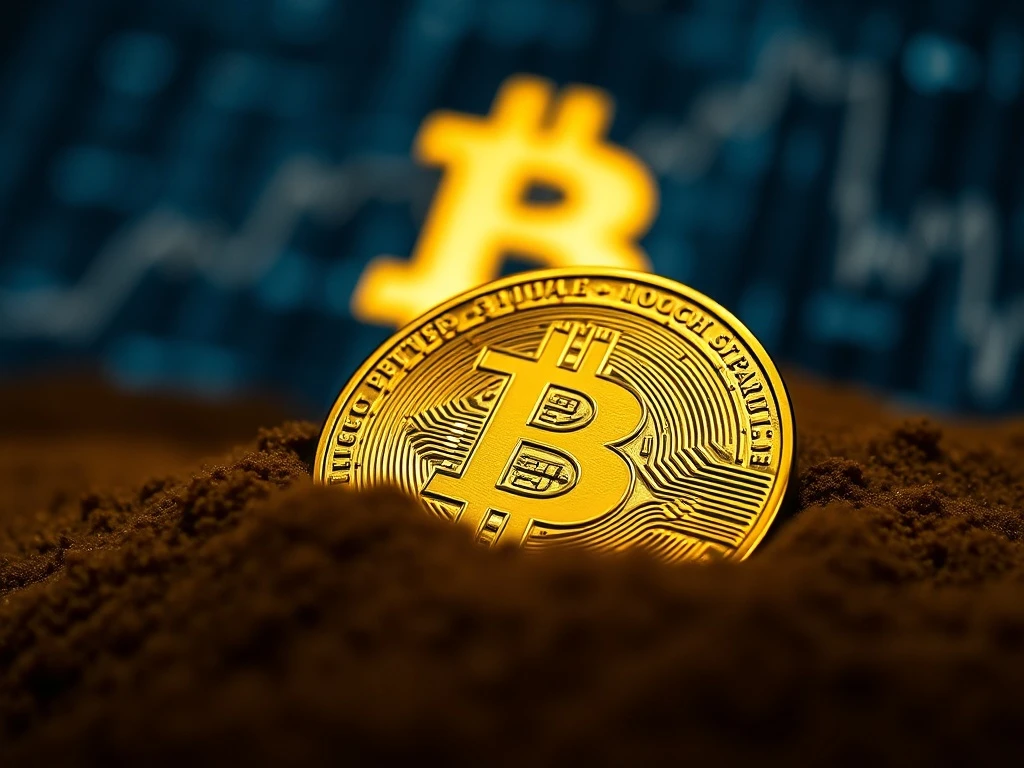
Imagine a vast fortune, physically minted yet largely inaccessible. This is the intriguing reality of **Casascius coins**. These unique physical bitcoins represent a significant chapter in **cryptocurrency history**. Over $4 billion in these coins remain untouched, safeguarding more than 38,000 BTC. It’s a digital treasure locked away in tangible form, waiting to be discovered or perhaps forever lost.
The Genesis of Casascius Coins: Physical Bitcoin’s Legacy
Mike Caldwell, a software engineer, created the first Casascius physical bitcoins in 2011. He aimed to bridge the gap between the digital and physical worlds of money. Each coin, crafted from brass, silver, or gold, held a specific amount of Bitcoin. A tamper-proof hologram covered the private key, essential for accessing the digital funds. This innovative design allowed users to hold their Bitcoin in a tangible way.
These early **physical Bitcoin** units quickly gained popularity. They served as collectible items and a secure form of cold storage. People could trade them like traditional currency, yet they represented digital value. The unique nature of Casascius coins made them highly sought after. They offered a novel approach to cryptocurrency ownership during Bitcoin’s nascent years.
How Casascius Coins Functioned
Each Casascius coin contained a unique Bitcoin private key. This key was printed on paper and sealed under a tamper-proof hologram. To redeem the Bitcoin, an owner would peel off the hologram. This action revealed the private key. They could then import this key into a digital wallet. The physical coin thus served as a bearer instrument for its associated digital value. The security of the hologram was paramount. Any sign of tampering indicated the Bitcoin might already be spent.
The Astonishing Value of Unclaimed Bitcoin
Today, a staggering amount of Bitcoin associated with Casascius coins remains unredeemed. Over 38,000 BTC, valued at approximately $4 billion, are still linked to these physical tokens. This represents a significant portion of Bitcoin’s early supply. The sheer scale of this **unclaimed Bitcoin** highlights a unique phenomenon in the crypto world. Many wonder why such a vast fortune lies dormant.
Several factors contribute to these coins remaining unspent. Some owners may have simply lost their coins. Others might have forgotten about them entirely. Sadly, some owners may have passed away, taking their knowledge of the private keys with them. The challenge of recovering these funds is immense. Without the physical coin or its private key, the digital Bitcoin remains inaccessible. This situation creates a modern-day treasure hunt, albeit one with very few clues.
Why So Many Casascius Coins Remain Unclaimed?
- **Loss or Misplacement:** Owners may have physically lost the coins.
- **Forgotten Holdings:** Early adopters might have simply forgotten about their small investments.
- **Death of Owners:** Private keys become irrecoverable if owners pass away without heirs knowing.
- **Intentional HODLing:** Some owners may be deliberately holding them long-term.
Tracing the Unclaimed Casascius Coins: A Digital Quest
Tracking the **unclaimed Bitcoin** associated with Casascius coins presents a fascinating challenge. Blockchain explorers allow anyone to see which Bitcoin addresses remain untouched. However, identifying the specific owners behind these addresses is nearly impossible. The anonymous nature of Bitcoin transactions protects user privacy. This anonymity also complicates efforts to reunite lost coins with their rightful owners. The public ledger reveals the existence of the funds, but not their human custodians.
Researchers and enthusiasts often monitor these addresses. They watch for any activity, hoping to witness a historic redemption. This ongoing observation adds to the mystique surrounding the **BTC treasure**. Each unspent coin represents a piece of early Bitcoin lore. It also signifies a potential fortune waiting to be awakened. The digital footprints are clear, but the physical trail is cold.
The End of an Era: Casascius Coin Production Ceases
The U.S. Treasury Department’s Financial Crimes Enforcement Network (FinCEN) intervened in 2013. They deemed Caldwell’s operation a money transmitting business. This required him to obtain specific licenses. Consequently, Caldwell ceased production of new Casascius coins. This decision solidified the existing coins’ status as rare collectibles. It also marked the end of an innovative chapter in **cryptocurrency history**. The remaining coins became finite artifacts, each carrying a piece of Bitcoin’s past.
What Happens to Unclaimed Bitcoin? The Perpetual Ledger
The 38,000+ BTC tied to **Casascius coins** will remain on the blockchain indefinitely. Bitcoin’s decentralized nature means no central authority can reclaim or reallocate these funds. They exist in a perpetual state, part of Bitcoin’s circulating supply. However, they are effectively removed from active circulation until their private keys are used. This phenomenon subtly impacts Bitcoin’s overall liquidity. It creates a fascinating economic question about ‘lost’ supply.
The existence of this **BTC treasure** serves as a powerful reminder. It highlights the importance of secure key management. It also underscores the permanent nature of blockchain transactions. Once a private key is lost, the associated Bitcoin becomes practically irrecoverable. This digital permanence ensures the integrity of the network. However, it also creates these intriguing pools of dormant wealth. The legend of the **Casascius coins** will undoubtedly continue to captivate the crypto community for years to come.
The tale of the unclaimed Casascius coins is more than just a story of lost money. It is a testament to Bitcoin’s early days and its pioneering spirit. These physical tokens represent a unique intersection of tangible and digital wealth. They embody the hopes, risks, and enduring mysteries of **cryptocurrency history**. As Bitcoin continues to evolve, the legend of the $4 billion hidden in brass, silver, and gold remains a compelling narrative.
Related News
- XRP On-Chain Metrics Reveal Alarming 2022 Bear Market Pattern Repeating, Analysis Shows
- Solana Mobile SKR Airdrop: Strategic Token Distribution Energizes Seeker Phone Ecosystem
- Financial Supercycle: Coinbase Reveals How Onchain Markets Will Revolutionize Global Wealth Creation