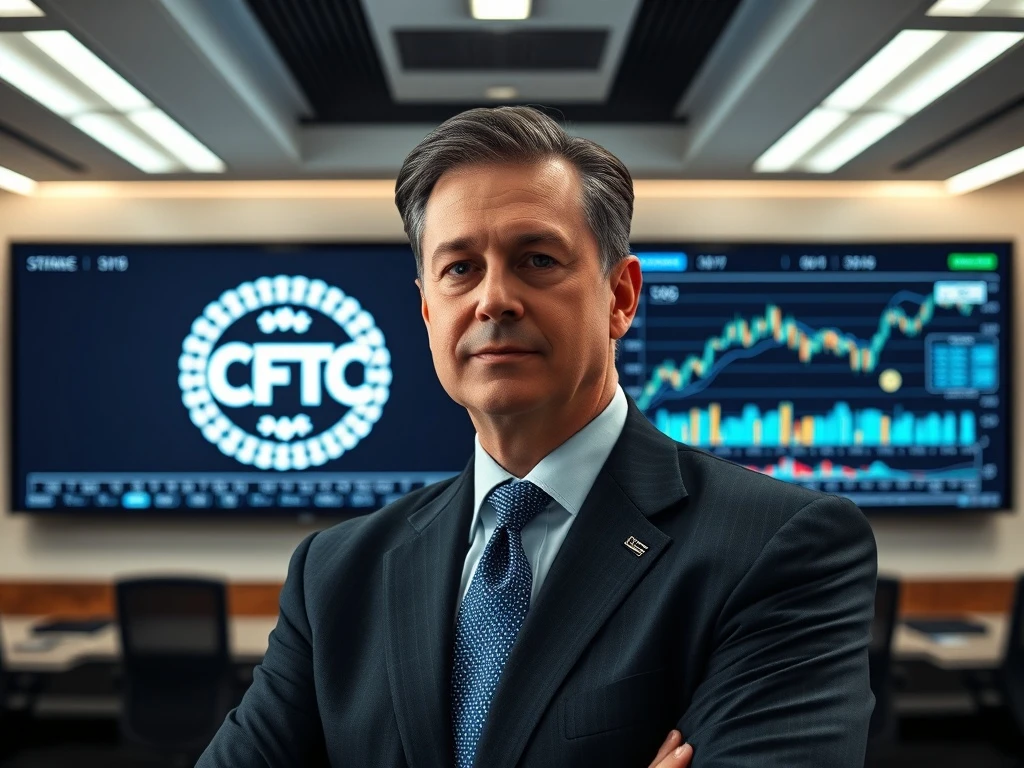
WASHINGTON, D.C. – In a significant move for U.S. financial regulation, new Commodity Futures Trading Commission (CFTC) Chairman Mike Selig has formally launched a sweeping initiative, dubbed ‘Future Proof,’ designed to comprehensively reform the agency’s approach to cryptocurrency oversight and institutionalize supervision of innovative financial markets through formal rulemaking.
CFTC’s Future Proof Initiative Aims for Formal Crypto Rulemaking
Chairman Selig announced the Future Proof initiative through multiple channels, including posts on the social media platform X and a detailed op-ed in The Washington Post. The core objective involves moving beyond the agency’s current, often case-by-case enforcement posture. Instead, the initiative seeks to establish a clear, predictable, and formal regulatory framework for the digital asset sector. This shift represents a strategic institutionalization of oversight. Consequently, market participants may gain much-needed regulatory clarity. The CFTC has historically asserted jurisdiction over cryptocurrency derivatives, such as Bitcoin futures. However, its authority over the underlying spot markets has been a subject of ongoing debate and legal scrutiny, particularly in relation to the Securities and Exchange Commission (SEC).
Background and Context of the Regulatory Shift
The launch of Future Proof arrives at a pivotal moment for U.S. crypto regulation. For years, the industry has operated under a complex and sometimes contradictory patchwork of state and federal guidance. Regulatory actions have frequently emerged through enforcement, creating an environment of uncertainty. Chairman Selig’s initiative signals a deliberate pivot toward proactive governance. This approach aligns with broader global trends where major jurisdictions, including the European Union with its MiCA framework, are establishing dedicated crypto asset laws. The CFTC’s move could help position the United States in this international regulatory race. Furthermore, it addresses calls from Congress, industry advocates, and some consumer protection groups for clearer rules of the road.
Expert Analysis on the Potential Impact
Financial regulation experts note that formal rulemaking, unlike guidance or enforcement actions, carries the full force of law and undergoes a public notice-and-comment process. This process allows for industry and public input, potentially leading to more nuanced and effective regulations. A formal framework could standardize requirements for cryptocurrency exchanges, custody services, and derivative products under CFTC purview. Key areas likely addressed include anti-fraud measures, market manipulation prevention, customer fund segregation, and robust reporting standards. Such rules would aim to protect investors while fostering responsible innovation. The initiative’s success, however, will depend on the specific proposals, resource allocation to the CFTC’s enforcement and examination divisions, and continued jurisdictional coordination with other agencies like the SEC and the Treasury Department.
Comparing Past and Future Regulatory Approaches
The table below contrasts the CFTC’s historical approach with the direction indicated by the Future Proof initiative:
| Aspect | Historical CFTC Approach (Pre-2025) | Future Proof Initiative Direction |
|---|---|---|
| Primary Method | Reactive enforcement actions | Proactive, formal rulemaking |
| Clarity for Industry | Limited, based on case law | Enhanced through published rules |
| Scope Definition | Evolving through litigation | Institutionalized via framework |
| International Alignment | Ad hoc | Strategic, considering global standards |
Key Components of the Future Proof Framework
While Chairman Selig indicated that further policy details are forthcoming, the initiative’s announced pillars provide a clear outline. First, it seeks to define the perimeter of CFTC authority over digital commodities with greater precision. Second, the framework will likely establish core principles for registered entities dealing in crypto assets. These principles may include:
- Risk Management: Mandating comprehensive programs to address market, credit, and operational risks unique to digital assets.
- Transparency: Requiring clear disclosures about asset custody, pricing, and potential conflicts of interest.
- Technology Governance: Setting standards for cybersecurity, system resilience, and the use of automated or algorithmic trading.
- Consumer Protection: Enhancing safeguards for customer funds and ensuring fair access to markets.
Finally, the initiative emphasizes interagency collaboration to avoid regulatory gaps or overlaps, a critical factor given the asset class’s multifaceted nature.
Conclusion
The launch of the CFTC’s Future Proof initiative by Chairman Mike Selig marks a potential turning point in U.S. cryptocurrency regulation. By prioritizing formal rulemaking, the agency aims to transition from a reactive stance to one of structured oversight. This shift promises greater legal certainty for businesses and enhanced protections for investors. The ultimate impact of this CFTC crypto oversight reform will hinge on the specific rules proposed, the effectiveness of their implementation, and continued coordination within the U.S. regulatory landscape. As Chairman Selig prepares to announce further policy changes, the financial technology sector and its observers will be watching closely for the concrete details that will define this new era of digital asset governance.
FAQs
Q1: What is the main goal of the CFTC’s Future Proof initiative?
The primary goal is to reform the CFTC’s oversight of cryptocurrency markets by moving from case-by-case enforcement to establishing a formal, institutionalized regulatory framework through official rulemaking processes.
Q2: How does this initiative change the CFTC’s historical approach to crypto?
Historically, the CFTC often defined its role through enforcement actions after potential violations occurred. Future Proof represents a shift toward creating clear, upfront rules that market participants can follow proactively, aiming to prevent issues before they arise.
Q3: What areas of cryptocurrency might the CFTC’s new rules cover?
Potential areas include standards for cryptocurrency exchanges and trading platforms, custody of customer digital assets, prevention of market manipulation and fraud, risk management requirements for firms, and transparency and reporting obligations.
Q4: How does this affect the SEC’s role in crypto regulation?
The initiative underscores the ongoing need for coordination between the CFTC and SEC. The CFTC typically oversees commodities and derivatives, while the SEC oversees securities. The Future Proof framework will need to operate alongside the SEC’s rules, focusing on assets deemed digital commodities rather than securities.
Q5: What should the cryptocurrency industry expect next?
Chairman Selig stated he will announce further policy changes soon. The industry should expect the CFTC to begin a formal rulemaking process, which involves proposing specific rules, opening a public comment period, reviewing feedback, and then issuing final regulations, a process that can take several months to years.
Related News
- Decentralized Validator Technology: Vitalik Buterin’s Critical Push for Native Ethereum Integration
- Sui Launches Transformative LAUNCH Career Internship Program to Cultivate Next-Generation Blockchain Talent
- RedStone Acquisition of Security Token Market Signals Strategic Shift in RWA Tokenization Landscape