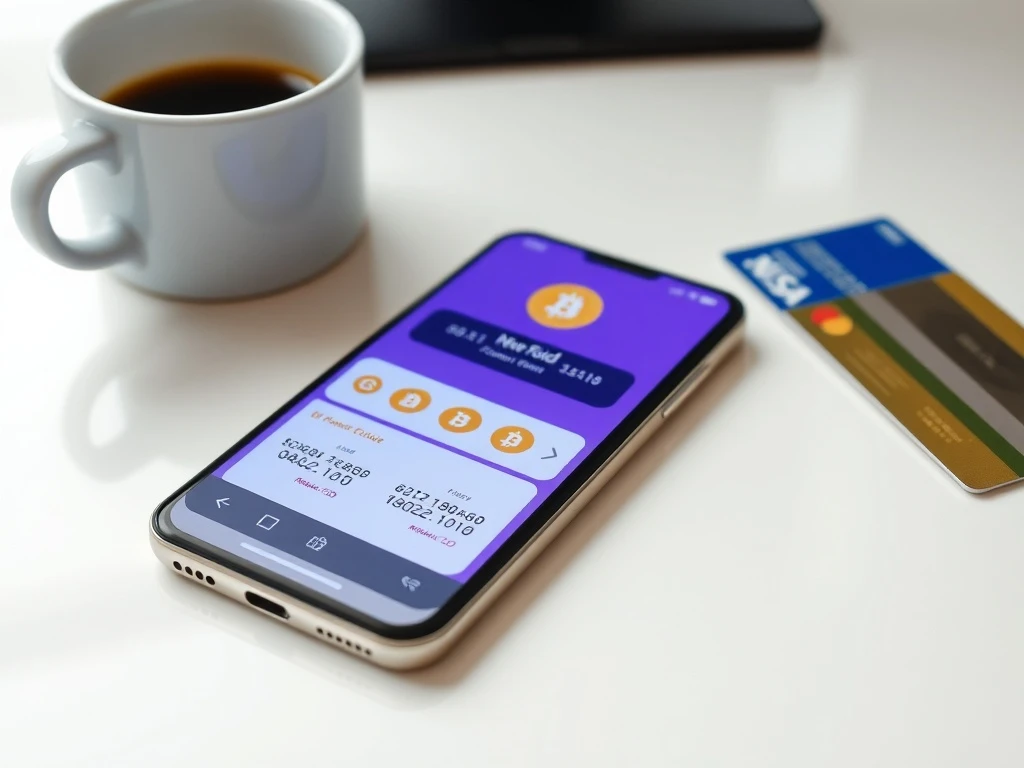
In a significant development for cryptocurrency adoption, Fold has launched a unified BTC rewards payment application that seamlessly integrates Bitcoin rewards with everyday financial services, potentially transforming how consumers interact with digital assets in their daily lives. This innovative platform, reported by Walter Bloomberg, represents a major step forward in bridging traditional finance with cryptocurrency ecosystems, offering users tangible Bitcoin rewards for routine transactions. The launch comes at a pivotal moment when mainstream financial institutions increasingly recognize Bitcoin’s potential as both a store of value and a transactional medium.
Fold’s BTC Rewards App: A Comprehensive Financial Integration
The newly launched Fold application represents a sophisticated convergence of traditional payment systems and cryptocurrency rewards. Essentially, the platform functions as a comprehensive financial services application that rewards users with Bitcoin for their everyday spending. Unlike conventional cashback programs that offer fiat currency returns, Fold’s system provides BTC rewards, enabling users to accumulate Bitcoin through normal purchasing activities. This approach fundamentally changes the value proposition of consumer rewards programs while simultaneously promoting Bitcoin adoption.
Furthermore, the application integrates multiple financial services into a single interface, creating a unified user experience. Users can manage payments, track rewards, and monitor Bitcoin accumulation all within one platform. The system reportedly connects with existing payment networks and banking infrastructure, ensuring compatibility with merchants worldwide. This integration strategy addresses one of cryptocurrency’s persistent challenges: bridging the gap between digital assets and real-world commerce.
Technical Architecture and User Experience
Fold’s application employs advanced technical architecture to facilitate seamless Bitcoin rewards distribution. The platform utilizes smart contract technology to automate reward calculations and distributions based on user transactions. When users make purchases through the app, a predetermined percentage of their spending converts to Bitcoin rewards, which then deposit directly into their integrated wallet. This automated process eliminates manual claiming requirements, enhancing user convenience significantly.
The user interface prioritizes simplicity and accessibility, crucial factors for mainstream adoption. New users can reportedly set up accounts within minutes, connecting existing payment methods to begin earning Bitcoin rewards immediately. The dashboard provides clear visualization of reward accumulation, transaction history, and Bitcoin value fluctuations. Security features include multi-factor authentication, encryption protocols, and non-custodial wallet options where users maintain control of their private keys.
Market Context and Competitive Landscape
The launch occurs within a rapidly evolving cryptocurrency rewards landscape where several platforms now offer Bitcoin-based incentives. However, Fold distinguishes itself through its comprehensive financial services integration, moving beyond simple reward programs to create a complete financial management ecosystem. Traditional financial institutions have increasingly explored cryptocurrency rewards programs throughout 2024, with major credit card companies testing Bitcoin cashback initiatives. Fold’s unified approach potentially positions it ahead of both cryptocurrency-native platforms and traditional financial institutions experimenting with digital asset integration.
Market data indicates growing consumer interest in cryptocurrency rewards programs, particularly among younger demographics. A 2024 survey by Financial Technology Research Group revealed that 42% of millennials would prefer cryptocurrency rewards over traditional loyalty points. This demographic trend, combined with increasing merchant acceptance of cryptocurrency payments, creates favorable conditions for Fold’s expansion. The platform’s timing aligns with broader cryptocurrency adoption trends, including institutional investment growth and regulatory clarity developments in major markets.
Bitcoin Rewards Mechanism and Economic Implications
Fold’s Bitcoin rewards system operates on transparent economic principles designed to create sustainable value for users. The platform reportedly sources Bitcoin for rewards through strategic partnerships and treasury management, ensuring consistent reward availability regardless of market conditions. Reward percentages vary by merchant category and partnership agreements, with some premium partners offering enhanced Bitcoin-back rates. This tiered structure incentivizes users to patronize participating merchants while providing businesses with customer acquisition tools.
Economically, the system introduces novel Bitcoin distribution mechanisms that could impact broader adoption metrics. By rewarding everyday transactions with Bitcoin, Fold effectively creates continuous micro-acquisitions of the cryptocurrency for users who might not otherwise purchase it directly. This approach could potentially increase Bitcoin’s distribution across broader demographic segments, moving beyond speculative investors to include practical users. The platform’s design acknowledges Bitcoin’s dual nature as both investment asset and transactional currency, leveraging both aspects within its reward structure.
- Automated Bitcoin accumulation through routine spending
- Variable reward percentages based on merchant partnerships
- Real-time conversion of spending to Bitcoin value
- Transparent tracking of reward calculations and distributions
Regulatory Compliance and Security Framework
Operating within the complex regulatory landscape of cryptocurrency financial services requires robust compliance measures. Fold has reportedly implemented comprehensive Know Your Customer (KYC) and Anti-Money Laundering (AML) protocols that meet international standards. The platform maintains necessary money transmitter licenses in jurisdictions where it operates, ensuring regulatory compliance for financial services. These measures address concerns about cryptocurrency platforms’ regulatory standing while building institutional trust.
Security represents another critical consideration for financial applications handling cryptocurrency. Fold employs multiple security layers, including cold storage for majority funds, insurance coverage for digital assets, and regular third-party security audits. The application architecture reportedly separates reward distribution systems from core wallet functions, creating additional security barriers. These measures respond to historical concerns about cryptocurrency platform vulnerabilities while meeting consumer expectations for financial application security.
Integration with Existing Financial Ecosystems
Fold’s strategic approach involves deep integration with existing financial infrastructure rather than creating parallel systems. The application connects with major payment networks, allowing users to employ familiar payment methods while earning Bitcoin rewards. This compatibility eliminates the merchant adoption barrier that has hindered many cryptocurrency payment solutions. Users can reportedly earn rewards whether shopping at multinational retailers or local businesses, provided those merchants accept standard payment network transactions.
The platform also integrates with traditional banking services, enabling seamless fund transfers between conventional accounts and cryptocurrency wallets. This interoperability addresses practical concerns about moving between fiat and cryptocurrency systems, reducing friction for users transitioning between financial paradigms. By building upon established financial infrastructure rather than attempting to replace it entirely, Fold potentially accelerates adoption among users cautious about completely abandoning traditional banking relationships.
Future Development Roadmap and Industry Impact
Fold’s development roadmap reportedly includes expanded financial service integrations and enhanced reward structures. Future updates may incorporate decentralized finance (DeFi) protocols, allowing users to earn additional yield on their Bitcoin rewards through lending or staking mechanisms. The platform also plans merchant tools that help businesses create customized Bitcoin reward campaigns, potentially expanding the ecosystem’s commercial applications. These developments could further blur boundaries between traditional finance and cryptocurrency ecosystems.
The broader industry impact of Fold’s approach extends beyond immediate user benefits. By demonstrating viable Bitcoin integration with everyday financial activities, the platform provides a practical model for other financial technology companies. Success could encourage more traditional financial institutions to incorporate cryptocurrency rewards, accelerating mainstream adoption. Additionally, the platform’s data on user behavior and reward redemption patterns could provide valuable insights into cryptocurrency’s practical utility beyond speculative trading.
| Platform | Primary Reward | Financial Integration | Merchant Network |
|---|---|---|---|
| Fold | Bitcoin | Comprehensive services | Standard payment networks |
| Competitor A | Various cryptocurrencies | Basic wallet functions | Limited direct partnerships |
| Competitor B | Bitcoin only | Reward-focused only | Proprietary network |
| Traditional cards | Fiat cashback | Full banking services | Universal acceptance |
Conclusion
Fold’s launch of its BTC rewards payment application represents a significant milestone in cryptocurrency integration with mainstream finance. The platform successfully combines Bitcoin rewards with comprehensive financial services, creating practical utility for digital assets in everyday transactions. By building upon existing financial infrastructure while introducing innovative reward mechanisms, Fold addresses both user experience and adoption barriers that have historically limited cryptocurrency’s practical application. As the financial technology landscape continues evolving, this BTC rewards app potentially establishes new standards for how consumers interact with both traditional and digital financial systems, moving cryptocurrency closer to practical, everyday utility.
FAQs
Q1: How does Fold’s BTC rewards app actually work?
The application connects to users’ existing payment methods and automatically converts a percentage of each qualifying purchase into Bitcoin rewards, which deposit directly into an integrated wallet within the platform.
Q2: What makes Fold different from other cryptocurrency reward programs?
Fold distinguishes itself through comprehensive financial services integration, operating as a unified platform rather than just a rewards program, and leveraging existing payment networks for universal merchant compatibility.
Q3: Is there any cost to use Fold’s BTC rewards application?
The basic application reportedly operates on a freemium model with no upfront costs, though premium features or enhanced reward tiers may involve subscription fees according to the company’s published structure.
Q4: How does Fold ensure the security of users’ Bitcoin rewards?
The platform employs multiple security layers including cold storage for funds, insurance coverage, regular security audits, and optional non-custodial wallet arrangements where users control private keys.
Q5: Can businesses integrate with Fold’s BTC rewards system?
Yes, the platform offers merchant partnership programs that allow businesses to create customized Bitcoin reward campaigns, potentially enhancing customer engagement and loyalty through cryptocurrency incentives.
Related News
- Bitcoin Soars: BTC Price Surges Past $75,000 Milestone in Historic Rally
- Bitcoin Price Plummets: BTC Falls Below Critical $74,000 Support Level
- XRP and Ether ETFs Surge with Massive Inflows as Bitcoin Faces Staggering $272 Million Exit