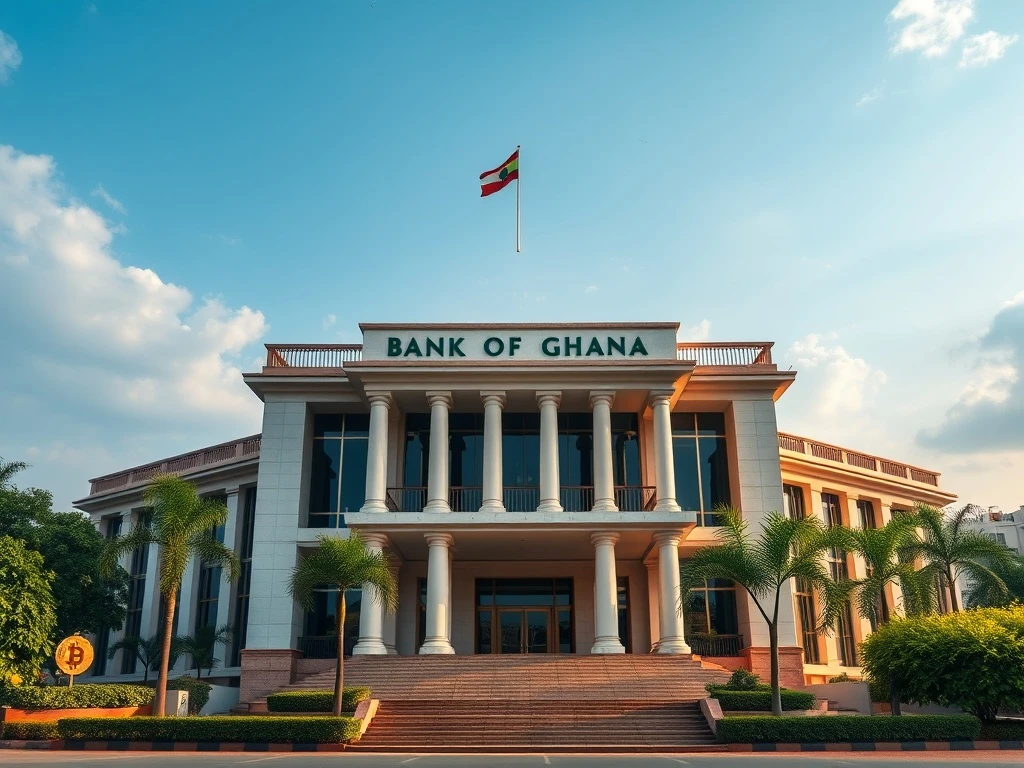
The landscape of global finance is continually evolving, with digital assets playing an increasingly prominent role. Consequently, nations worldwide are grappling with how to effectively integrate cryptocurrencies into their existing financial frameworks. In a significant development, Ghana is now poised to introduce comprehensive **Ghana crypto regulations** by the close of the current year. This move promises to bring much-needed clarity and structure to the nation’s burgeoning digital asset sector.
Ghana Crypto Regulations: A Landmark Announcement
During a recent International Monetary Fund (IMF) meeting, Bank of Ghana Governor Johnson Asiama delivered a pivotal announcement. He confirmed the country’s firm intention to implement cryptocurrency regulations by the end of this year, as reported by Cointelegraph. This declaration underscores Ghana’s proactive approach to managing the rapidly expanding world of digital currencies. Indeed, the central bank has dedicated considerable effort to this initiative.
Specifically, Governor Asiama revealed that the central bank has diligently spent the last four months crafting a robust regulatory environment for cryptocurrencies. This extensive period of preparation highlights the gravity and complexity of the task at hand. The goal is to create a framework that supports innovation while mitigating risks. Therefore, stakeholders anticipate a well-thought-out legislative package.
The Bank of Ghana’s Proactive Stance
The **Bank of Ghana** has been at the forefront of this regulatory push. Its dedicated team has worked tirelessly to draft the necessary legislation. This proactive engagement reflects a broader commitment to financial stability and technological advancement within the nation. Moreover, the Governor indicated that the draft bill will soon reach parliament for consideration.
Furthermore, there is a strong expectation that the bill will successfully pass before December. This optimistic timeline suggests a high level of consensus and urgency within government circles. Consequently, Ghana is setting a precedent for other African nations. They are demonstrating a clear path towards integrating digital assets responsibly. This legislative effort aims to protect consumers and foster a secure environment for cryptocurrency activities.
Crafting Comprehensive Cryptocurrency Legislation
Developing effective **cryptocurrency legislation** involves addressing multiple complex facets. Regulators must balance the potential for innovation with the imperative for consumer protection and financial integrity. Ghana’s upcoming regulations are expected to cover several key areas:
- Consumer Protection: Ensuring users are safeguarded against fraud and market manipulation.
- Anti-Money Laundering (AML) and Counter-Terrorist Financing (CTF): Implementing stringent measures to prevent illicit activities.
- Licensing and Supervision: Establishing clear guidelines for crypto exchanges and service providers.
- Taxation: Defining how digital asset transactions will be taxed.
These measures are crucial for building trust in the digital asset ecosystem. They also aim to attract legitimate businesses and investors. Ultimately, clear rules help to legitimize the space. Therefore, Ghana’s efforts are significant for its economic future.
Impact on Ghana’s Digital Asset Policy
The introduction of these regulations will profoundly impact Ghana’s **digital asset policy**. Currently, the lack of specific laws creates uncertainty for businesses and individuals alike. With a clear regulatory framework, however, the country can:
- Foster a more predictable investment climate for crypto-related ventures.
- Encourage domestic innovation in blockchain and distributed ledger technologies.
- Enhance Ghana’s reputation as a forward-thinking financial hub in West Africa.
This policy shift could also position Ghana as a leader in digital finance on the African continent. Many other African nations are still exploring their options. Thus, Ghana’s decisive action could inspire regional adoption of similar frameworks. This approach combines cautious oversight with an embrace of future financial technologies.
Driving Financial Technology Forward
Ghana’s move towards regulated cryptocurrencies is an integral part of its broader strategy to advance **financial technology** (fintech). Fintech innovations are reshaping how financial services are delivered globally. By embracing a regulated approach to digital assets, Ghana aims to:
- Integrate cryptocurrencies into the mainstream financial system responsibly.
- Promote the development of local fintech solutions.
- Improve financial inclusion by leveraging new technologies.
Furthermore, clear regulations can provide a stable environment for fintech companies. They can innovate without fear of sudden policy changes. This stability is vital for long-term growth and investment. Consequently, Ghana’s commitment to robust crypto regulations supports its vision for a dynamic and inclusive digital economy.
Globally, countries like Singapore, Switzerland, and the United States have also developed various regulatory models for digital assets. Ghana’s approach will likely draw lessons from these international experiences. However, it will also tailor the framework to its unique economic and social context. This thoughtful process ensures the regulations are both effective and locally relevant. Ultimately, this strategic move aims to unlock the full potential of digital currencies for Ghana’s benefit.
In conclusion, the impending implementation of **Ghana crypto regulations** marks a significant milestone for the nation. It demonstrates a commitment to embracing financial innovation responsibly. Governor Asiama’s announcement signals a clear path forward for digital assets, promising a more secure and predictable environment for all participants. This legislative effort will undoubtedly shape Ghana’s financial future, fostering growth and stability in the digital age.
Frequently Asked Questions (FAQs)
1. What prompted Ghana to implement cryptocurrency regulations?
The rapid growth of cryptocurrencies and their increasing adoption globally prompted the Bank of Ghana to develop a structured regulatory environment. This aims to manage risks, protect consumers, and foster responsible innovation within the financial system.
2. When are the new Ghana crypto regulations expected to be implemented?
Bank of Ghana Governor Johnson Asiama announced that the country plans to implement the new cryptocurrency regulations by the end of this year, with the bill expected to pass parliament before December.
3. What key areas will the new cryptocurrency legislation cover?
The new legislation is anticipated to cover critical areas such as consumer protection, anti-money laundering (AML) and counter-terrorist financing (CTF) measures, licensing and supervision for crypto service providers, and potentially taxation of digital asset transactions.
4. How will these regulations impact Ghana’s financial technology (fintech) sector?
These regulations are expected to provide clarity and stability for Ghana’s fintech sector. This will encourage responsible innovation, attract investment, and integrate digital assets more seamlessly into the mainstream financial system, potentially enhancing financial inclusion.
5. What is the Bank of Ghana’s role in this regulatory process?
The Bank of Ghana has been the primary driver behind this initiative. It has spent four months creating the regulatory environment, drafting the necessary legislation, and will submit the bill to parliament for approval, demonstrating its proactive stance in managing digital assets.
Related News
- Steak ‘n Shake Boldly Expands Bitcoin Treasury to $10M, Doubling Down on Digital Reserve Strategy
- Trump’s Shocking Tariff Threat Over Greenland Annexation Opposition Sends Global Shockwaves
- Privacy Coins Revolution: The Critical Shift from Anonymity to Selective Disclosure