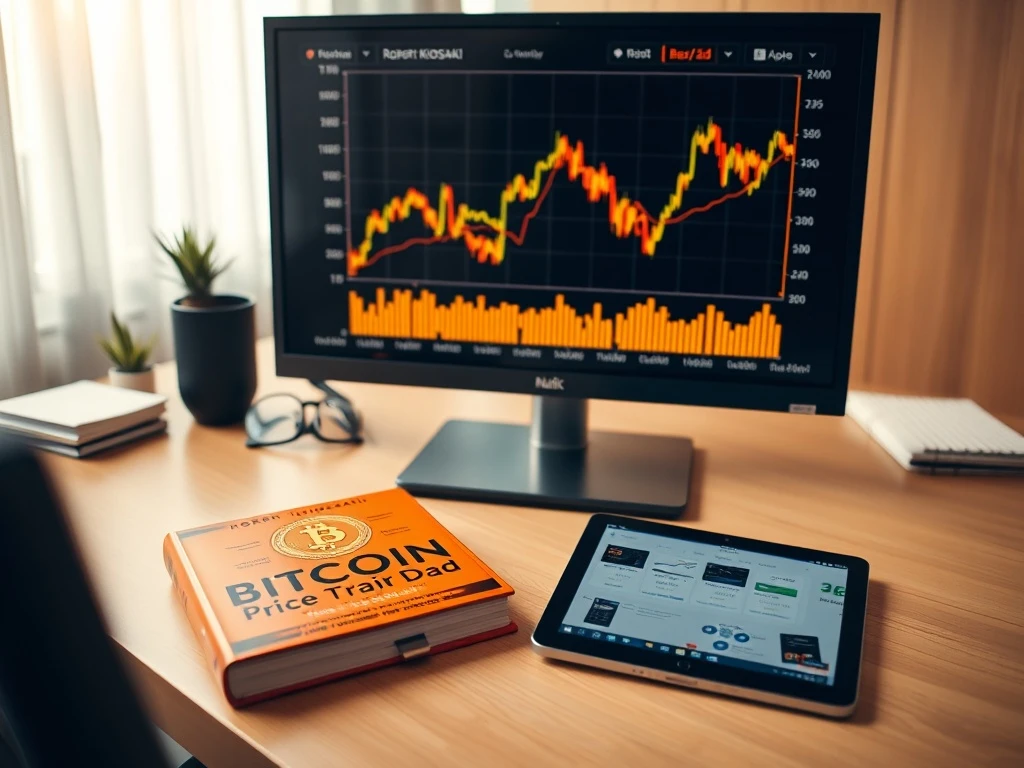
Prominent investor Robert Kiyosaki confirmed his strategic Bitcoin accumulation following the recent cryptocurrency market correction, signaling confidence in digital assets despite volatile conditions in early 2025. The ‘Rich Dad Poor Dad’ author publicly announced his increased Bitcoin position through social media platforms, generating significant discussion among financial analysts and cryptocurrency enthusiasts. This development comes amid broader market uncertainty, providing crucial insights into institutional and influential investor behavior during price corrections.
Robert Kiyosaki’s Bitcoin Investment Strategy
Robert Kiyosaki consistently advocates for alternative assets throughout his financial education career. His latest Bitcoin acquisition follows his established pattern of purchasing during market downturns. Kiyosaki previously recommended Bitcoin as protection against traditional financial system weaknesses. The investor often contrasts cryptocurrency with what he calls ‘fake money’ systems, including fiat currencies subject to inflationary pressures.
Financial analysts note Kiyosaki’s timing aligns with historical accumulation patterns among sophisticated investors. Market data indicates increased institutional activity during recent price corrections. Several hedge funds and family offices reportedly expanded their cryptocurrency allocations simultaneously. This coordinated activity suggests strategic positioning rather than speculative trading.
Market Context and Timing Analysis
The cryptocurrency market experienced significant volatility during the first quarter of 2025. Bitcoin’s price declined approximately 28% from its December 2024 peak before stabilizing. Multiple factors contributed to this correction, including regulatory developments and macroeconomic pressures. Global inflation concerns and interest rate adjustments influenced investor sentiment across all asset classes.
Historical data reveals consistent patterns in Bitcoin market cycles. Previous corrections averaging 30-40% typically preceded substantial recovery periods. The current adjustment remains within historical norms despite media sensationalism. Technical analysts identify strong support levels that held during the recent downturn, indicating underlying market strength.
Cryptocurrency Market Fundamentals 2025
Bitcoin’s fundamental metrics demonstrate resilience despite price volatility. Network security measures reached all-time highs in early 2025. The hash rate increased 18% year-over-year, indicating robust miner commitment. Active address counts maintained steady growth patterns, suggesting continued adoption. Transaction volumes excluding exchange transfers show consistent organic usage increases.
Institutional adoption metrics provide additional context for Kiyosaki’s investment decision. Traditional financial institutions expanded cryptocurrency services throughout 2024. Major custody solutions attracted billions in institutional assets. Regulatory frameworks developed greater clarity in multiple jurisdictions. These developments created stronger foundations for long-term investment.
| Metric | Q4 2024 | Q1 2025 | Change |
|---|---|---|---|
| Hash Rate | 450 EH/s | 531 EH/s | +18% |
| Active Addresses | 950,000 | 1,100,000 | +16% |
| Institutional Holdings | $85B | $92B | +8% |
| Exchange Reserves | 2.3M BTC | 2.1M BTC | -9% |
Expert Perspectives on Market Recovery
Financial analysts offer varied interpretations of current market conditions. Some experts emphasize technological developments driving long-term value. Bitcoin’s Lightning Network capacity increased 140% year-over-year, enabling faster transactions. Layer-2 solutions and scaling improvements address previous network limitations. These technological advancements support practical utility beyond speculative trading.
Other analysts focus on macroeconomic factors influencing cryptocurrency valuations. Global debt levels reached unprecedented heights in 2024. Currency devaluation concerns persist across multiple economies. Bitcoin’s fixed supply contrasts sharply with expanding fiat money supplies. This fundamental difference attracts investors seeking inflation-resistant assets.
Investment Psychology During Market Corrections
Behavioral finance principles explain investor reactions to volatility. Many retail investors exhibit panic selling during corrections. Conversely, experienced investors often increase positions at discounted prices. Kiyosaki’s public confirmation of Bitcoin purchases demonstrates this contrarian approach. His actions provide educational examples of disciplined investment strategy execution.
Market psychology indicators reveal shifting sentiment patterns. Fear and Greed Index readings reached extreme fear levels during the recent downturn. Historical data shows these conditions frequently precede market recoveries. Social media analysis indicates divided opinions about Bitcoin’s short-term prospects. However, long-term conviction metrics remain consistently strong among committed holders.
- Contrarian Investment Signals: Extreme fear readings often indicate buying opportunities
- Holder Behavior: Long-term holders increased positions during the correction
- Exchange Flows: Net withdrawals suggest accumulation rather than distribution
- Options Market: Put/call ratios show balanced rather than bearish positioning
Regulatory Environment Developments
Global regulatory frameworks evolved significantly during 2024. Multiple jurisdictions established clearer cryptocurrency guidelines. The European Union implemented comprehensive Markets in Crypto-Assets regulations. United States regulatory agencies developed more coordinated approaches. Asian financial centers including Singapore and Hong Kong created progressive digital asset frameworks.
These regulatory developments reduce uncertainty for institutional investors. Clearer compliance pathways enable traditional financial participation. Banking relationships for cryptocurrency businesses improved throughout 2024. Custody solutions received regulatory approvals in multiple jurisdictions. These improvements support Kiyosaki’s investment thesis regarding cryptocurrency maturation.
Comparative Asset Performance Analysis
Bitcoin’s performance relative to traditional assets provides important context. The cryptocurrency outperformed major indices during specific periods despite recent corrections. Gold prices remained relatively stable throughout the volatility period. Real estate markets showed signs of softening in multiple regions. Bond yields fluctuated amid changing interest rate expectations.
Portfolio diversification principles support cryptocurrency allocations according to modern portfolio theory. Digital assets demonstrate low correlation with traditional investments during certain market conditions. This characteristic provides potential risk reduction benefits. Academic research increasingly recognizes cryptocurrency as a distinct asset class with unique properties.
Technological Infrastructure Progress
Bitcoin’s underlying technology continues developing throughout market cycles. Taproot implementation enhanced privacy and smart contract capabilities. Mining efficiency improvements reduced environmental concerns. Renewable energy usage increased significantly among mining operations. These developments address previous criticisms regarding sustainability and functionality.
Layer-2 solutions expanded Bitcoin’s utility beyond store-of-value applications. Payment processors integrated Lightning Network capabilities. Merchant adoption increased in multiple sectors. Remittance applications demonstrated cost advantages over traditional systems. These practical use cases support fundamental value propositions beyond speculative trading.
Conclusion
Robert Kiyosaki’s confirmed Bitcoin accumulation during market corrections reflects strategic investment principles consistent with his financial philosophy. The cryptocurrency market demonstrates resilience through fundamental metrics despite price volatility. Technological developments and regulatory progress support long-term adoption trajectories. Market corrections provide accumulation opportunities for investors with disciplined strategies and long-term perspectives. Bitcoin investment decisions require careful analysis of both technical fundamentals and macroeconomic contexts as digital assets mature within global financial systems.
FAQs
Q1: Why did Robert Kiyosaki choose to buy more Bitcoin after the crash?
Robert Kiyosaki follows a contrarian investment strategy, purchasing assets when prices decline due to market sentiment rather than fundamental deterioration. His approach aligns with value investing principles applied to digital assets.
Q2: What percentage drop did Bitcoin experience before Kiyosaki’s purchase?
Bitcoin declined approximately 28% from its December 2024 peak before showing stabilization signs. This correction remained within historical norms for Bitcoin market cycles despite media attention.
Q3: How does Kiyosaki’s Bitcoin investment fit his overall financial philosophy?
Kiyosaki consistently advocates for assets he believes protect against traditional financial system risks. He categorizes Bitcoin as alternative money contrasting with fiat currencies subject to inflationary pressures.
Q4: What fundamental metrics support Bitcoin’s long-term value proposition?
Network security measures, adoption rates, institutional participation, and technological developments provide fundamental support. Hash rate increases and active address growth indicate network strength despite price volatility.
Q5: How does the current regulatory environment affect Bitcoin investment decisions?
Clearer regulatory frameworks in multiple jurisdictions reduce uncertainty for investors. Improved compliance pathways and banking relationships support institutional participation in cryptocurrency markets.
Related News
- Bitcoin Price Plummets Below $78,000: Market Analysis Reveals Critical Support Levels
- Crypto Futures Liquidations Unleash $411M Market Shakeout as Long Positions Dominate Exits
- XRP Price Prediction: Ripple’s David Schwartz Decodes the Realistic Odds of Hitting $50-$100