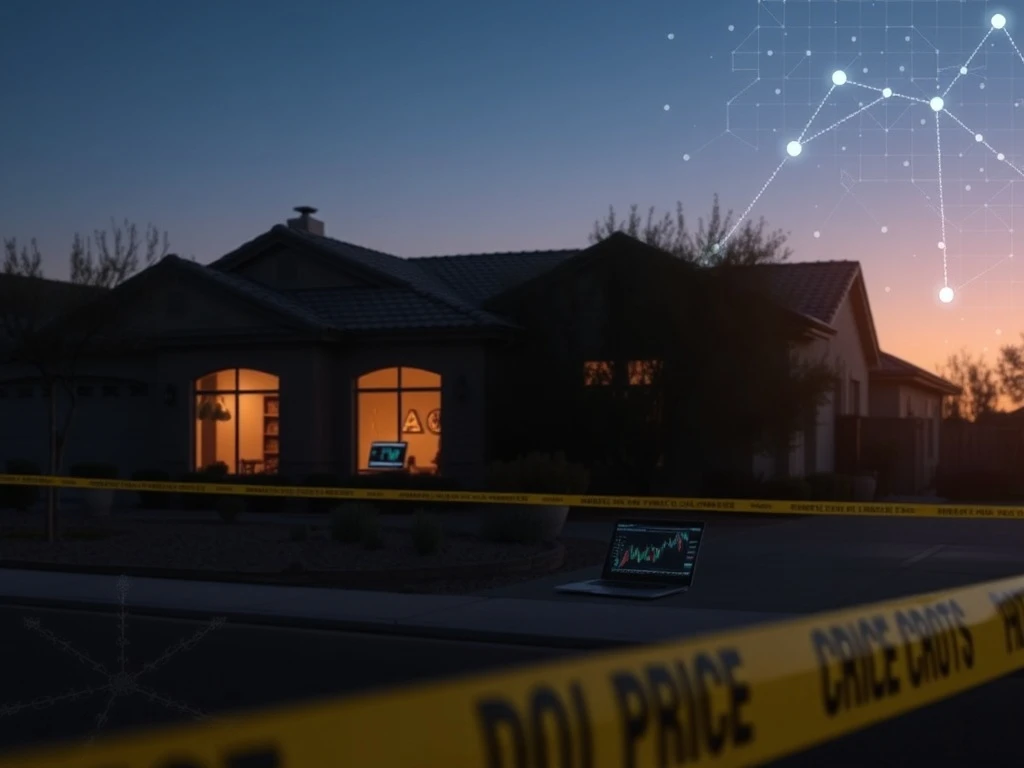
SCOTTSDALE, ARIZONA – November 2024 – A violent home invasion in an upscale Scottsdale neighborhood has revealed connections to a sophisticated $66 million cryptocurrency scheme, resulting in the arrest of multiple teenagers and raising urgent questions about digital asset security. This shocking case represents a disturbing convergence of physical violence and high-tech financial crime that law enforcement agencies increasingly encounter nationwide.
Scottsdale Home Invasion Unravels $66 Million Crypto Plot
Scottsdale Police Department responded to an emergency call on November 15, 2024, regarding a home invasion in the affluent Silverleaf community. Initially appearing as a random burglary, investigators quickly discovered connections to a complex cryptocurrency operation. The targeted residence belonged to a digital asset investor whose portfolio contained approximately $66 million in various cryptocurrencies. Forensic analysis revealed the perpetrators specifically sought access to cryptocurrency wallets and private keys rather than traditional valuables.
Detectives identified unusual patterns during their investigation. For instance, the intruders bypassed expensive artwork and jewelry to focus exclusively on digital devices and documents. This behavior immediately signaled a financially motivated cybercrime rather than a conventional robbery. The investigation subsequently uncovered communications linking the suspects to broader cryptocurrency theft operations spanning multiple states.
Teen Arrests Highlight Youth Involvement in Crypto Crime
Authorities arrested three individuals aged 17-19 in connection with the Scottsdale home invasion and crypto plot. These arrests surprised investigators who typically associate such sophisticated financial crimes with older, experienced criminals. The teenagers demonstrated surprising technical knowledge about cryptocurrency security systems and blockchain transactions. However, their operational security failures ultimately led to their identification and capture.
Law enforcement sources indicate the suspects utilized encrypted messaging applications to coordinate their activities. They also employed basic tradecraft to avoid detection, including using burner phones and virtual private networks. Despite these precautions, digital footprints and physical evidence connected them to both the home invasion and subsequent attempts to liquidate stolen cryptocurrency assets.
Cryptocurrency Security Vulnerabilities Exposed
The Scottsdale case exposes critical vulnerabilities in cryptocurrency security practices. Many investors concentrate significant wealth in digital wallets without adequate physical security measures. This creates attractive targets for criminals who understand both digital asset systems and traditional burglary techniques. The $66 million crypto plot specifically targeted what security experts call “hot wallets” – cryptocurrency storage connected to the internet for easier access but greater vulnerability.
Financial crime specialists note increasing incidents where criminals combine physical theft with digital asset targeting. These hybrid crimes present unique challenges for law enforcement agencies traditionally separated into cybercrime and physical crime divisions. The Scottsdale Police Department collaborated with the FBI’s Cyber Division and the Department of Homeland Security’s Homeland Security Investigations unit to address both aspects of this complex case.
Investigation Timeline and Law Enforcement Response
The investigation progressed rapidly following the initial home invasion report. Within 72 hours, Scottsdale PD identified vehicle descriptions and surveillance footage linking the suspects to the crime scene. Financial investigators simultaneously tracked unusual cryptocurrency transactions from the victim’s wallets to overseas exchanges. This dual-track investigation approach proved crucial in building a comprehensive case against the perpetrators.
| Date | Event | Agency Involvement |
|---|---|---|
| Nov 15, 2024 | Home invasion reported in Silverleaf community | Scottsdale PD initial response |
| Nov 16-17, 2024 | Digital forensic analysis begins | SPD Cyber Crimes Unit |
| Nov 18, 2024 | Crypto transaction tracking initiated | FBI Cyber Division assistance |
| Nov 20, 2024 | First suspect identified | Multi-agency task force |
| Nov 22-25, 2024 | Arrests executed | SPD with federal support |
Law enforcement agencies employed several innovative techniques during this investigation. They utilized blockchain analysis tools to follow cryptocurrency movements across multiple wallets and exchanges. Investigators also employed traditional methods including surveillance, interviews, and forensic examination of electronic devices recovered during search warrants. This combination of old and new investigative approaches proved particularly effective against hybrid physical-digital crimes.
Broader Implications for Cryptocurrency Investors
The Scottsdale home invasion and $66 million crypto plot carries significant implications for digital asset investors nationwide. Security experts emphasize several crucial protective measures:
- Physical Security Integration: Protect digital assets with physical security measures comparable to traditional valuables
- Cold Storage Solutions: Utilize offline “cold wallets” for significant cryptocurrency holdings
- Multi-Signature Authentication: Implement wallet systems requiring multiple approvals for transactions
- Geographic Distribution: Avoid concentrating digital assets in single physical locations
- Insurance Considerations: Explore specialized cryptocurrency insurance policies
Financial regulators have noted increasing criminal interest in cryptocurrency holdings as digital asset values appreciate. The relative anonymity of blockchain transactions initially attracted criminal elements, but improved tracking capabilities now help law enforcement identify suspicious activities. However, the physical component of crimes like the Scottsdale home invasion presents new challenges requiring integrated security approaches.
Legal Framework and Prosecution Challenges
Prosecuting cryptocurrency-related crimes involves navigating complex legal frameworks. Different jurisdictions treat digital assets as property, currency, or securities under varying circumstances. The Scottsdale case involves multiple potential charges including home invasion, theft, computer crimes, and potentially federal financial crimes. Prosecutors must demonstrate both the physical criminal acts and the digital asset theft components to secure comprehensive convictions.
Arizona has relatively progressive cryptocurrency legislation, having passed a bill recognizing blockchain signatures and smart contracts in 2017. This legal clarity may assist prosecutors in the Scottsdale case by providing clear definitions of digital asset ownership and theft. However, the interstate and potentially international movement of stolen cryptocurrency complicates jurisdictional matters and may require federal prosecution.
Conclusion
The Scottsdale home invasion connected to a $66 million crypto plot represents a disturbing evolution in financial crime methodology. This case demonstrates how criminals increasingly combine physical violence with sophisticated digital asset targeting. The teen arrests highlight concerning trends in youth involvement with complex cryptocurrency crimes. Law enforcement agencies must continue developing integrated approaches addressing both physical and digital crime components. Cryptocurrency investors should reassess their security practices in light of these emerging hybrid threats. The Scottsdale investigation ultimately serves as both a cautionary tale and a demonstration of effective multi-agency response to evolving criminal methodologies targeting digital assets.
FAQs
Q1: What made this home invasion different from typical burglaries?
The perpetrators specifically targeted cryptocurrency access rather than traditional valuables, demonstrating sophisticated knowledge of digital asset systems and representing a hybrid physical-digital crime approach.
Q2: How did authorities connect the home invasion to the $66 million crypto plot?
Investigators analyzed both physical evidence from the crime scene and digital evidence including blockchain transactions, discovering communications and financial transfers linking the suspects to broader cryptocurrency theft operations.
Q3: Why are teenagers involved in such sophisticated financial crimes?
Younger individuals often possess greater technical familiarity with digital systems while potentially underestimating legal consequences, creating a dangerous combination when targeting valuable digital assets.
Q4: What security measures can cryptocurrency investors implement?
Experts recommend cold storage solutions, multi-signature authentication, geographic distribution of assets, physical security integration, and specialized insurance policies for significant holdings.
Q5: How are law enforcement agencies adapting to these hybrid crimes?
Police departments are developing integrated cyber-physical investigation units, collaborating with federal agencies, and utilizing both traditional investigative techniques and specialized digital forensic tools.
Related News
- Ethereum Funding Rates Overheating: Critical Warning Signals Flash for Potential Market Correction
- BTC Rally Inevitable: Analysts Cite Powerful Fed Liquidity Expansion as Key Catalyst
- Bitcoin Cash Tank Man: The Haunting Story of Cryptocurrency’s Forgotten Protest