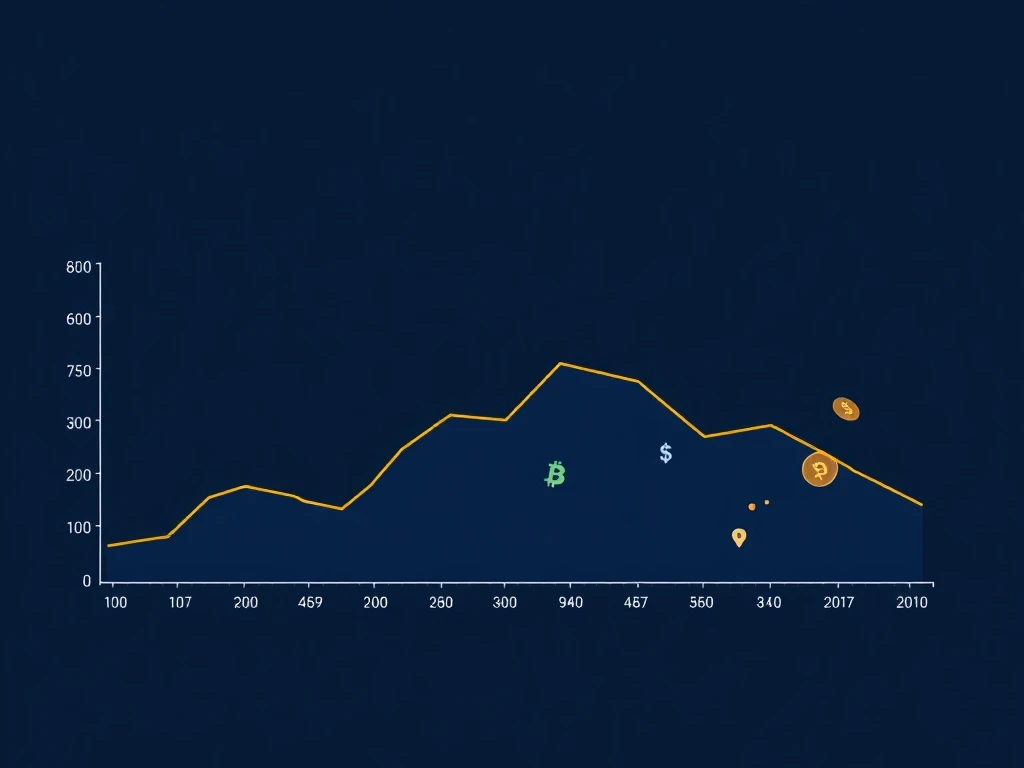
San Francisco, April 2025 – The Solana blockchain network has recorded its lowest daily active address count in twelve months, according to verified data from The Block. This significant metric has dropped to a concerning level, with the seven-day moving average plummeting from approximately 9 million addresses at the beginning of the year to just 3.3 million currently. This dramatic decline in Solana active addresses represents a substantial shift in network utilization patterns that warrants careful examination.
Understanding the Solana Network Activity Decline
The Block’s comprehensive data analysis reveals a steady downward trajectory in Solana’s daily active addresses throughout 2025. Network activity metrics serve as crucial indicators of blockchain health and adoption. Consequently, this decline suggests changing user behavior patterns across the ecosystem. The publication specifically attributes this gradual reduction to the cooling of this year’s memecoin market enthusiasm, which previously drove unprecedented engagement.
Blockchain analysts consistently monitor active address counts as fundamental indicators of network vitality. These metrics provide valuable insights into genuine user adoption rather than speculative trading activity. Furthermore, the transition from peak engagement levels to current figures represents one of the most significant contractions in Solana’s recent history. Network analysts emphasize that sustained activity levels typically correlate with long-term blockchain success.
Memecoin Market Dynamics and Network Impact
The memecoin phenomenon dominated cryptocurrency markets during early 2025, generating extraordinary network congestion across multiple blockchains. Solana particularly benefited from this trend due to its high throughput capabilities and low transaction costs. However, market cycles naturally progress through phases of enthusiasm and consolidation. The current cooling period reflects broader market recalibration rather than fundamental network issues.
Memecoin trading typically generates exceptionally high transaction volumes but often represents transient engagement. Sustainable blockchain growth requires diversified use cases beyond speculative trading. Industry experts note that previous cryptocurrency cycles followed similar patterns of intense activity followed by consolidation periods. This natural market rhythm allows networks to develop more robust infrastructure and applications.
Comparative Blockchain Performance Analysis
Network activity metrics across leading blockchains provide essential context for understanding Solana’s current position. The following table illustrates recent trends across major platforms:
| Blockchain | Peak Daily Active Addresses (2025) | Current Daily Active Addresses | Percentage Change |
|---|---|---|---|
| Solana (SOL) | 9.2 million | 3.3 million | -64% |
| Ethereum (ETH) | 1.1 million | 850,000 | -23% |
| BNB Chain | 2.3 million | 1.8 million | -22% |
| Avalanche (AVAX) | 650,000 | 420,000 | -35% |
This comparative data reveals that Solana experienced the most dramatic contraction among major networks. However, analysts emphasize that Solana’s earlier growth was equally exceptional. The network’s architecture specifically optimized for high-frequency trading during the memecoin surge. Consequently, the current correction appears more pronounced relative to other platforms.
Technical Infrastructure and Network Fundamentals
Solana’s technical architecture continues to demonstrate robust performance despite declining user metrics. The network maintains its characteristic advantages including:
- High throughput capacity – Processing thousands of transactions per second
- Low transaction costs – Maintaining sub-cent fees for most operations
- Fast confirmation times – Achieving settlement in under two seconds
- Developer activity – Sustaining healthy ecosystem development
Network validators report stable operations throughout this activity fluctuation. The underlying infrastructure demonstrates resilience despite changing usage patterns. Additionally, core development teams continue advancing protocol improvements scheduled for 2025 implementation. These technical fundamentals suggest that current activity metrics reflect market cycles rather than network deficiencies.
Historical Context and Market Cycle Patterns
Cryptocurrency networks historically experience cyclical activity patterns corresponding to broader market trends. Previous cycles demonstrate similar contractions followed by renewed growth phases. For instance, Ethereum’s network activity declined significantly during 2019 before reaching new highs in subsequent years. Analysts observe that sustainable blockchain adoption develops through multiple market cycles rather than linear progression.
The current Solana activity decline follows an unprecedented period of growth during the memecoin frenzy. This pattern mirrors historical precedents where specialized use cases drive initial adoption before broader utility emerges. Network developers historically utilize consolidation periods to enhance infrastructure and developer tools. Consequently, current metrics may represent a natural transition phase rather than concerning deterioration.
Institutional Perspective and Long-Term Outlook
Institutional analysts maintain measured perspectives regarding current network metrics. Major financial institutions continue monitoring blockchain adoption indicators beyond daily active addresses. These additional metrics include:
- Total value locked in decentralized applications
- Developer activity and GitHub contributions
- Institutional adoption and enterprise partnerships
- Protocol upgrade implementation and roadmap progress
Industry reports indicate sustained institutional interest in Solana’s technical capabilities despite recent activity fluctuations. Several enterprise blockchain initiatives continue development on the network. Furthermore, venture capital investment in Solana ecosystem projects remains substantial according to recent funding announcements. These factors suggest that professional investors distinguish between transient trading activity and fundamental network value.
Ecosystem Development Beyond Memecoins
The Solana ecosystem continues expanding into diverse application categories despite reduced memecoin activity. Significant development continues across multiple sectors including:
Decentralized Finance (DeFi): Several lending protocols and automated market makers report increasing total value locked. These platforms serve genuine financial needs rather than speculative trading.
Non-Fungible Tokens (NFTs): Major NFT marketplaces maintain consistent trading volumes across artistic and utility collections. Creator communities continue building sustainable projects on the network.
Gaming and Metaverse: Multiple gaming studios develop blockchain-integrated experiences utilizing Solana’s fast transaction capabilities. These projects typically involve longer development cycles than memecoin creation.
Enterprise Solutions: Several corporations explore Solana for supply chain tracking, digital identity, and payment processing applications. These initiatives represent potentially transformative use cases.
Ecosystem developers emphasize that sustainable blockchain adoption requires diversified applications. The current market correction may ultimately strengthen the network by encouraging more substantial development efforts.
Conclusion
Solana daily active addresses have indeed reached a twelve-month low, reflecting the natural cooling of memecoin market enthusiasm. This decline in Solana network activity from approximately 9 million to 3.3 million addresses represents a significant metric shift that warrants monitoring. However, historical patterns suggest that blockchain networks experience cyclical activity fluctuations corresponding to broader market trends. The fundamental technical advantages of the Solana blockchain remain intact despite current usage metrics. Ecosystem development continues across multiple application categories beyond speculative trading. Consequently, while the decline in Solana active addresses merits attention, it likely represents a market cycle transition rather than fundamental network deterioration. Future network growth will depend on diversified adoption across DeFi, NFTs, gaming, and enterprise applications rather than singular market phenomena.
FAQs
Q1: What are daily active addresses on a blockchain?
Daily active addresses represent unique cryptocurrency wallets that conduct transactions on a blockchain network within a 24-hour period. This metric helps analysts gauge genuine user engagement rather than speculative trading volume.
Q2: Why did Solana’s active addresses decline so dramatically?
The decline primarily correlates with reduced memecoin trading activity, which previously drove exceptional network usage. Market cycles naturally progress through enthusiasm and consolidation phases, affecting all cryptocurrency networks to varying degrees.
Q3: Does this decline indicate problems with Solana’s technology?
Network performance metrics indicate that Solana’s technical infrastructure remains robust. The decline reflects changing user behavior rather than network deficiencies, with transaction speed and cost advantages maintained throughout this period.
Q4: How does Solana’s activity compare to other major blockchains?
Solana experienced the most pronounced contraction among major networks, declining approximately 64% from peak levels. However, this follows exceptionally high growth during the memecoin surge, making the correction appear more dramatic relative to other platforms.
Q5: What indicators should investors monitor beyond active addresses?
Important additional metrics include total value locked in DeFi protocols, developer activity levels, institutional adoption progress, protocol upgrade implementation, and ecosystem diversification across application categories beyond trading.
Related News
- Bitcoin ETF Outflow Stuns Market: $278 Million Flees US Spot Funds in Sharp Reversal
- Ethereum Spot ETF Outflow Crisis: U.S. Funds Bleed $183.9M in Single Day as BlackRock Leads Sell-Off
- Bitcoin Plummets Below $101,000: Analyzing the Sudden Market Correction