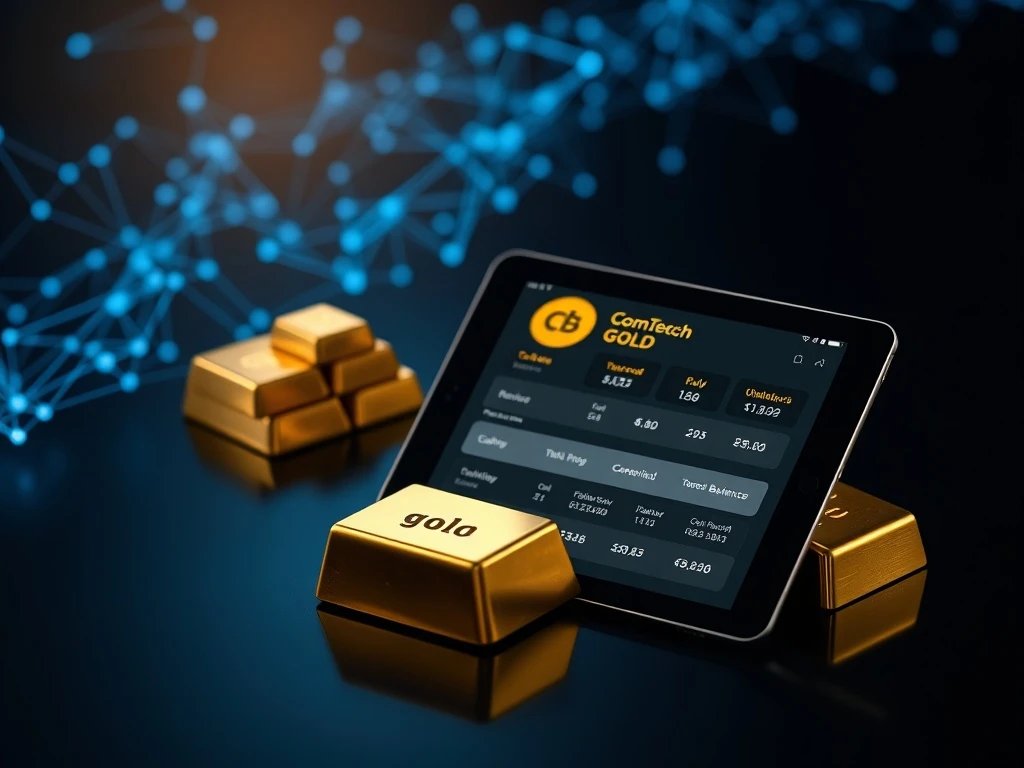
Singapore, March 2025 – The financial landscape undergoes a profound transformation as traditional assets like gold merge with blockchain technology. This convergence creates unprecedented opportunities for investors worldwide. Lim Say Cheong, Managing Director of ComTech Gold, explains this evolution from his company’s headquarters. His insights reveal how tokenizing gold represents just the beginning of a broader movement toward digitizing real-world assets.
Tokenizing Gold: The Foundation of Digital Asset Evolution
Gold has symbolized wealth and stability for millennia. Today, blockchain technology reinvents how we own and trade this precious metal. Tokenization converts physical gold into digital tokens on a blockchain. Each token represents a specific amount of gold stored in secure vaults. This process creates divisible, transferable digital assets backed by tangible value. Consequently, investors gain exposure to gold without physical storage concerns.
ComTech Gold, established in 2018, pioneered this approach in Asia. The company operates regulated vaulting facilities in Singapore and Malaysia. Their Gold Custody™ service provides institutional-grade storage. Simultaneously, their digital platform enables seamless token creation and redemption. This dual infrastructure bridges traditional finance with blockchain innovation. Moreover, it addresses critical challenges in gold investment like liquidity and accessibility.
The Real-World Asset Revolution Beyond Precious Metals
Tokenized gold serves as a blueprint for broader asset digitization. Real-world assets (RWAs) include real estate, commodities, and intellectual property. Blockchain tokenization can fractionalize these traditionally illiquid assets. For instance, a commercial property worth millions can divide into thousands of digital tokens. Therefore, smaller investors can participate in markets previously inaccessible to them.
The global RWA tokenization market demonstrates explosive growth. Recent projections estimate its value could reach $16 trillion by 2030. This expansion reflects increasing institutional adoption. Major financial institutions now explore tokenization projects. They recognize blockchain’s potential to streamline settlement, reduce costs, and enhance transparency. Additionally, regulatory frameworks gradually evolve to accommodate these innovations.
Lim Say Cheong’s Vision for ComTech Gold
Lim Say Cheong brings over two decades of financial technology experience to ComTech Gold. Previously, he led digital transformation initiatives at major Asian banks. His current role focuses on building bridges between traditional finance and blockchain ecosystems. He emphasizes that trust remains paramount in asset tokenization. “Our primary responsibility involves maintaining absolute integrity in asset backing,” Cheong states. “Every digital token must correspond precisely to physical gold in our vaults.”
ComTech Gold’s approach combines rigorous auditing with blockchain transparency. Independent auditors verify gold reserves quarterly. Meanwhile, blockchain provides real-time visibility into token ownership and transactions. This dual verification system addresses skepticism about digital assets. Furthermore, it establishes a model for other asset classes seeking tokenization.
Technological Infrastructure and Security Protocols
Successful asset tokenization requires robust technological foundations. ComTech Gold utilizes a hybrid blockchain architecture. This system balances transparency with necessary privacy controls. Smart contracts automate key processes like token issuance and redemption. These contracts execute automatically when predetermined conditions meet. Therefore, they reduce administrative overhead and minimize human error.
Security protocols protect both digital and physical assets. Multi-signature wallets require multiple approvals for significant transactions. Biometric authentication adds another layer of protection. Geographically distributed vaults mitigate concentration risk. Insurance coverage further safeguards stored gold. These comprehensive measures ensure investor confidence in the tokenization ecosystem.
Key components of ComTech Gold’s tokenization system:
- Regulated vault facilities with 24/7 monitoring
- Blockchain ledger for transparent ownership records
- Regular third-party audits of physical reserves
- Smart contracts for automated compliance
- Integration with traditional banking systems
Regulatory Landscape and Compliance Considerations
Asset tokenization operates within evolving regulatory frameworks. Different jurisdictions approach digital assets with varying regulations. Singapore’s Monetary Authority (MAS) has established clear guidelines for digital token offerings. These regulations prioritize investor protection while encouraging innovation. ComTech Gold maintains full compliance with MAS requirements. Additionally, they engage regulators in ongoing dialogue about industry development.
International standards gradually emerge for cross-border tokenized assets. Organizations like the International Organization of Securities Commissions (IOSCO) develop global principles. These standards aim to prevent regulatory arbitrage while facilitating international investment. Compliance becomes increasingly important as institutional participation grows. Major financial institutions require regulatory certainty before committing significant capital.
Market Impact and Investor Adoption Trends
Tokenized gold attracts diverse investor segments. Retail investors appreciate fractional ownership and easy transferability. Institutional investors value the efficiency of blockchain settlement. Central banks explore tokenized gold for reserve management. This broad adoption drives liquidity and market depth. Trading volumes for tokenized gold products increase steadily across global exchanges.
The table below illustrates key advantages of tokenized gold versus traditional forms:
| Feature | Tokenized Gold | Physical Gold | Gold ETFs |
|---|---|---|---|
| Divisibility | High (to 0.0001 oz) | Low (bar/coin units) | Medium (share units) |
| Transfer Speed | Minutes | Days | Days |
| Storage Cost | Low | High | Medium |
| Transparency | High (blockchain) | Low | Medium |
| Global Access | 24/7 | Market hours | Market hours |
Future Developments and Industry Evolution
The tokenization ecosystem continues evolving rapidly. Interoperability between different blockchain networks becomes increasingly important. Standards like the Token Taxonomy Framework facilitate cross-chain asset transfers. Additionally, decentralized finance (DeFi) platforms integrate tokenized gold as collateral. This integration creates new financial products and services. For example, gold-backed loans can originate and settle entirely on blockchain networks.
Central bank digital currencies (CBDCs) may further accelerate adoption. CBDCs could enable seamless settlement for tokenized asset transactions. Several central banks explore gold-backed digital currencies. These developments suggest convergence between traditional monetary systems and blockchain innovation. Consequently, the distinction between digital and traditional finance continues blurring.
Conclusion
Tokenizing gold represents a transformative development in finance. This innovation makes precious metal investment more accessible and efficient. Lim Say Cheong and ComTech Gold demonstrate how blockchain technology enhances traditional assets. Their work establishes frameworks for broader real-world asset tokenization. As regulatory clarity improves and technology advances, tokenized assets will likely become mainstream investment vehicles. The future promises greater liquidity, transparency, and accessibility across asset classes through thoughtful tokenization.
FAQs
Q1: What exactly does tokenizing gold mean?
Tokenizing gold means creating digital tokens on a blockchain that represent ownership of specific amounts of physical gold. Each token corresponds to gold stored in secure, audited vaults.
Q2: How does ComTech Gold ensure the physical gold backing their tokens?
ComTech Gold uses regulated vaults with 24/7 security and independent quarterly audits. Their blockchain provides transparent records showing the direct relationship between tokens and physical reserves.
Q3: Can tokenized gold be converted back to physical gold?
Yes, most tokenization platforms including ComTech Gold allow redemption for physical gold. However, minimum redemption amounts and delivery processes vary by provider.
Q4: What advantages does tokenized gold offer over gold ETFs?
Tokenized gold typically offers greater divisibility, faster settlement, lower costs, and more transparent ownership records through blockchain technology compared to traditional exchange-traded funds.
Q5: Is tokenized gold considered a security?
Regulatory classification varies by jurisdiction. In many markets, tokenized gold qualifies as a commodity rather than a security, but investors should verify local regulations before purchasing.
Related News
- Opera Minipay Tether Gold Integration: A Strategic Lifeline for Emerging Market Economies
- ASTER DEX Defiantly Denies Dumping Allegations and CZ Control Rumors While Revealing Ambitious March Mainnet Timeline
- Bitcoin Plummets Below $78,000: Analyzing the Sudden Market Correction