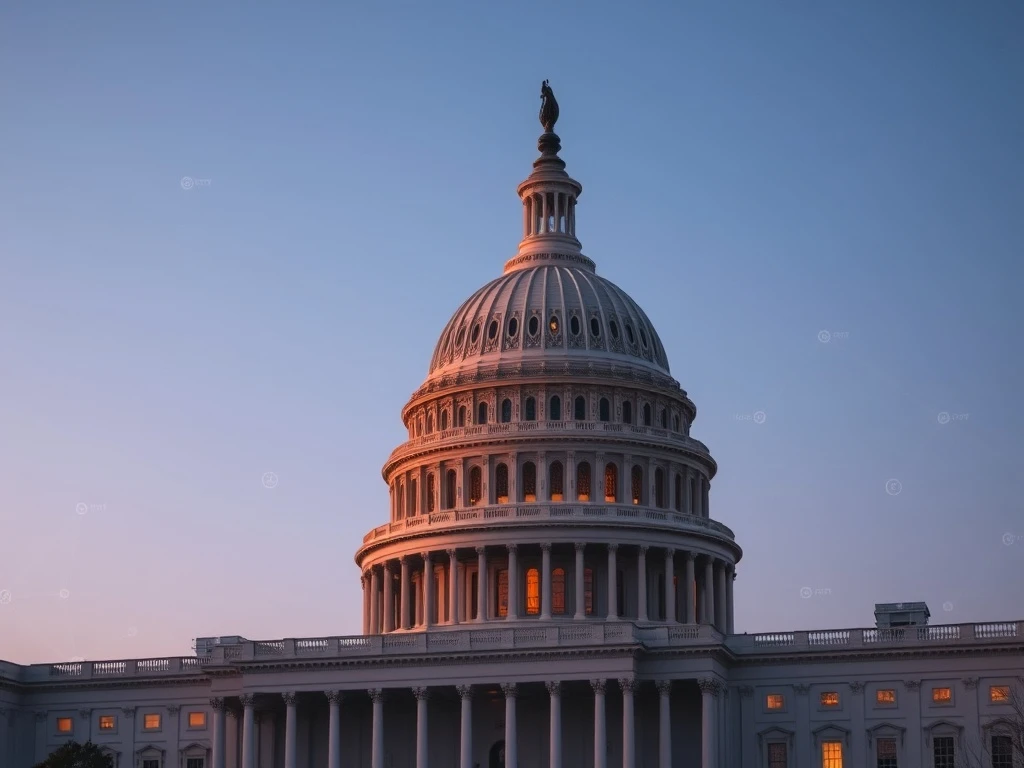
WASHINGTON, D.C. – March 15, 2025 – An amended version of the landmark U.S. crypto market structure bill, known formally as the CLARITY Act, is expected to reach congressional committees within hours, according to breaking reports from The Block’s Sarah Wynn. This crucial development follows months of intense negotiations and represents a pivotal moment for digital asset regulation in the United States. The amendment specifically targets stablecoin yields with stricter limitations, potentially reshaping how millions of Americans interact with cryptocurrency products.
Crypto Market Structure Bill Amendment Details and Timeline
Legislative sources confirm the impending submission of the amended CLARITY Act to the Senate Banking Committee. Consequently, this amendment arrives after extensive stakeholder feedback and bipartisan discussions. The original draft, released earlier this quarter, established foundational frameworks for digital asset classification and exchange operations. However, the new version reportedly strengthens provisions concerning stablecoin interest mechanisms.
Specifically, the amendment will impose stricter limits on stablecoin yields according to multiple verified sources. These restrictions align with existing financial regulations governing traditional banking products. The Senate Banking Committee’s initial draft permitted interest or rewards only when tied to substantial activities. These activities included opening accounts, trading, staking, or providing liquidity. Now, the amended language likely narrows these permissible circumstances further.
Legislative staff worked through the night to finalize technical language. Committee members received briefing materials this morning. The amendment process reflects growing regulatory scrutiny following several high-profile stablecoin incidents globally. Furthermore, this development occurs alongside international coordination efforts through organizations like the Financial Stability Board.
Understanding Stablecoin Yield Restrictions and Their Impact
The proposed stablecoin yield restrictions represent a significant policy shift. Stablecoins are cryptocurrency tokens pegged to stable assets like the U.S. dollar. They serve as crucial infrastructure within decentralized finance (DeFi) ecosystems. Many platforms currently offer substantial yields for stablecoin deposits through lending and liquidity provision activities.
The amended crypto market structure bill would fundamentally alter this landscape. Under the new framework, platforms could only offer yields when directly connected to verifiable economic activities. This approach mirrors traditional securities regulations preventing unsubstantiated returns. The legislation aims to protect consumers from unsustainable yield promises that characterized earlier crypto market cycles.
Industry analysts immediately began assessing potential impacts. Major stablecoin issuers like Circle (USDC) and Tether (USDT) operate under varying regulatory frameworks. The CLARITY Act amendment could standardize requirements across all dollar-pegged tokens. Additionally, decentralized platforms might need substantial operational changes to comply with the new yield restrictions.
| Current Common Practice | Proposed CLARITY Act Standard |
|---|---|
| Yield generated through algorithmic mechanisms | Yield tied to specific user activities |
| Returns often marketed as passive income | Returns framed as activity-based rewards |
| Variable rates based on market conditions | Potentially capped or regulated rates |
| Limited disclosure requirements | Enhanced transparency mandates |
Regulatory Context and Historical Precedents
The stablecoin yield restrictions follow established financial regulatory principles. Banking regulations historically prohibited excessive interest payments on deposit accounts. These rules prevented unsustainable competition and protected financial stability. Similarly, securities laws require proper registration of investment contracts offering returns.
The Securities and Exchange Commission previously addressed crypto yield products through enforcement actions. Several cases established that certain yield offerings constituted unregistered securities. The CLARITY Act amendment provides legislative clarity rather than relying solely on enforcement. This legislative approach creates predictable rules for industry participants.
International regulators increasingly focus on stablecoin oversight. The European Union’s Markets in Crypto-Assets (MiCA) regulation includes stablecoin provisions. Japan and Singapore implemented similar frameworks recently. The United States legislation therefore aligns with global regulatory trends while addressing specific domestic concerns.
Broader Implications for Crypto Market Structure
The crypto market structure bill amendment extends beyond stablecoin provisions. The CLARITY Act establishes comprehensive digital asset classification standards. It differentiates between commodities, securities, and payment tokens based on specific characteristics. This classification determines applicable regulatory frameworks and oversight authorities.
Key provisions address several critical areas:
- Exchange Registration: Digital asset exchanges must register with appropriate agencies
- Custody Requirements: Strict standards for asset custody and protection
- Market Surveillance: Enhanced monitoring for manipulation and fraud
- Consumer Disclosures: Clear risk explanations and product information
- Interagency Coordination: Defined roles for SEC, CFTC, and banking regulators
The legislation represents a compromise between innovation facilitation and investor protection. Industry advocates sought regulatory certainty for several years. Consumer protection groups demanded stronger safeguards following multiple crypto bankruptcies. The amended bill attempts to balance these competing interests through measured approaches.
Expert Perspectives on Legislative Development
Financial regulation experts emphasize the amendment’s significance. Professor Elena Rodriguez of Georgetown Law notes, “This amendment addresses the most contentious aspect of crypto regulation—how to treat algorithmic returns. By tying yields to verifiable activities, legislators create sustainable frameworks.” Her analysis appears in multiple academic publications on fintech regulation.
Industry representatives express cautious optimism about the development. Blockchain Association CEO Kristin Smith states, “While we review specific language, legislative clarity benefits responsible innovators. Clear rules prevent regulatory ambiguity that hinders compliant operations.” The association represents numerous cryptocurrency companies and projects.
Consumer advocacy organizations generally support the yield restrictions. Americans for Financial Reform director Carter Price explains, “Unsubstantiated yield promises harmed many retail investors. These restrictions prevent similar situations while allowing legitimate innovation.” The organization tracks cryptocurrency consumer complaints nationwide.
Legislative Process and Next Steps
The amendment submission initiates formal legislative procedures. The Senate Banking Committee will review the language during upcoming sessions. Committee members may propose additional modifications through mark-up processes. Following committee approval, the bill proceeds to full Senate consideration.
Parallel developments occur in the House of Representatives. Financial Services Committee members drafted companion legislation with similar objectives. Both chambers must reconcile differences before presidential submission. This process typically requires several months of additional negotiations and revisions.
The amendment’s timing suggests accelerated consideration. Congressional leaders identified digital asset regulation as priority legislation this session. Bipartisan support appears stronger than previous attempts at comprehensive crypto regulation. However, specific provisions may face opposition from various stakeholder groups during forthcoming debates.
Conclusion
The imminent crypto market structure bill amendment represents a watershed moment for digital asset regulation. Stricter stablecoin yield restrictions address longstanding consumer protection concerns while providing regulatory clarity. The CLARITY Act establishes comprehensive frameworks for cryptocurrency classification, exchange operations, and investor safeguards. These developments signal maturing regulatory approaches to innovative financial technologies. Market participants should monitor legislative proceedings closely as the amended bill progresses through congressional review processes. The final legislation will likely shape United States cryptocurrency markets for years ahead.
FAQs
Q1: What is the CLARITY Act?
The Crypto-Asset Regulatory Innovation and Transparency Act (CLARITY Act) is proposed United States legislation establishing comprehensive regulatory frameworks for digital assets. It addresses classification, exchange operations, consumer protections, and stablecoin oversight.
Q2: How do the stablecoin yield restrictions work?
The amendment restricts interest or rewards on stablecoins to situations involving substantial user activities. Permissible activities include opening accounts, trading, staking, or providing liquidity. This prevents platforms from offering unsubstantiated passive yields.
Q3: When will the amended bill take effect?
The legislation requires committee approval, full congressional passage, and presidential signature before implementation. Regulatory agencies would then develop specific rules and compliance timelines, likely spanning 12-24 months after enactment.
Q4: How will this affect existing stablecoin products?
Existing products offering yields may need restructuring to comply with new requirements. Platforms might transition to activity-based reward systems or discontinue certain yield offerings. Compliance timelines would allow for orderly adjustments.
Q5: Does this legislation apply to decentralized finance (DeFi) platforms?
The legislation covers all platforms offering services to United States residents regardless of technical architecture. DeFi platforms interacting with U.S. users would need to implement compliance measures, potentially through interface providers or protocol modifications.
Related News
- XRP’s Leverage Machine Ignites as Derivatives Volume Skyrockets, Signaling Major Market Shift
- Bitcoin Shatters $94,000 Barrier: CPI Data and ETF Inflows Fuel Historic Surge
- Federal Reserve Chair Replacement: Trump’s Shocking Announcement to Remove Jerome Powell