What Is Real-World Asset Tokenization? A Beginner’s Guide
Learn how real-world assets like Treasuries, stocks, and real estate are tokenized on blockchain. Understand benefits, risks, and how to get started safely.
Key points
- Tokenization turns ownership of real-world assets into digital tokens on a blockchain, enabling fractional ownership and 24/7 trading.
- Treasuries, stocks, and real estate are among the most common assets being tokenized, but each comes with unique risks and regulatory considerations.
- Investors should research platforms, understand custody and legal rights, and start small due to evolving regulations and technical risks.
What Is Real-World Asset Tokenization?
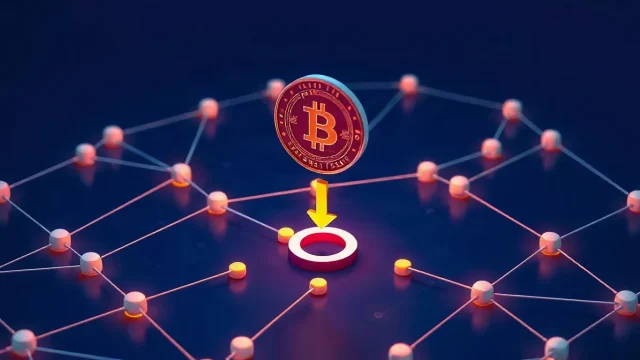
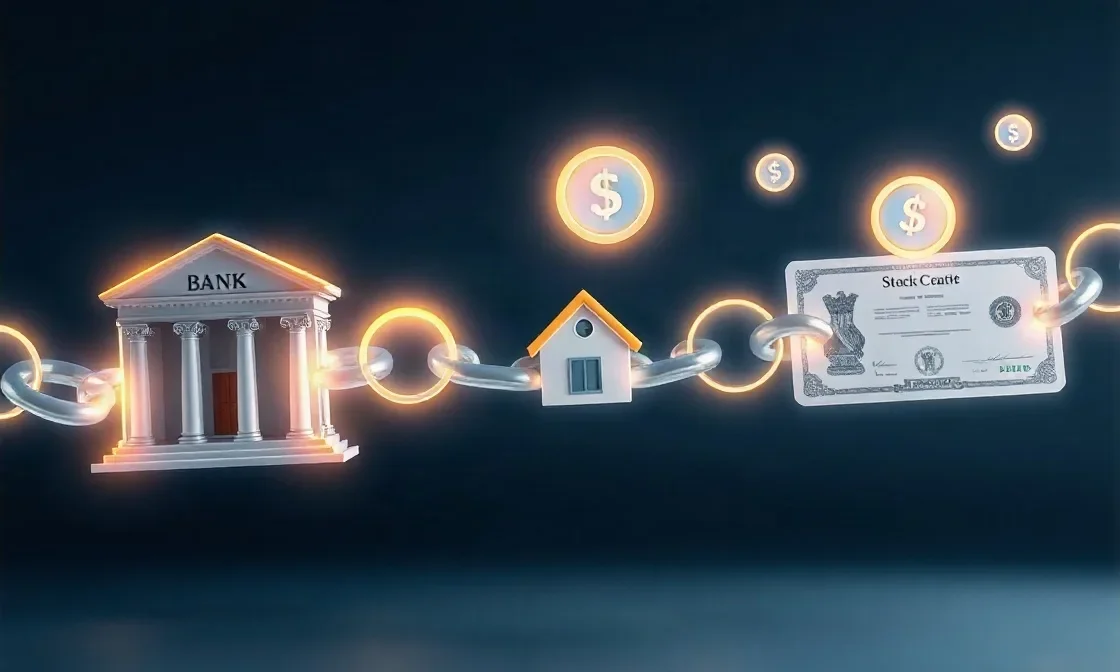
Real-world asset (RWA) tokenization is the process of converting ownership rights of physical or traditional financial assets—like U.S. Treasuries, stocks, or real estate—into digital tokens on a blockchain. Each token represents a claim on the underlying asset, and because blockchains are programmable, these tokens can be bought, sold, or transferred 24/7, often in fractions. Think of it as turning a building or a bond into digital shares that can move as easily as cryptocurrency, but with legal rights attached.
Why Tokenize Real-World Assets?
Tokenization aims to solve several problems in traditional finance:
- Fractional ownership: High-value assets like real estate can be split into small, affordable units.
- Liquidity: Assets that normally take weeks to sell can trade instantly on secondary markets.
- Transparency: Blockchain records are immutable and auditable, reducing fraud risk.
- Access: Global investors can participate without traditional gatekeepers.
- Automation: Smart contracts can handle dividends, interest, or rent distribution automatically.
As of September 29, 2026, the total value of tokenized real-world assets (excluding stablecoins) is estimated at over $15 billion, according to industry tracker RWA.xyz. While still small compared to traditional markets, growth has been steady.
How Tokenization Works: A Step-by-Step Example
Imagine a commercial building worth $10 million. Through tokenization, it could be divided into 10 million tokens, each initially priced at $1. Here’s a simplified process:
- Asset selection and due diligence: The issuer identifies a property, verifies ownership, and assesses its value.
- Legal structuring: A special purpose vehicle (SPV) is created to hold the asset. Tokens represent shares in the SPV.
- Token creation: Tokens are minted on a blockchain (e.g., Ethereum, Solana) using a standard like ERC-20 or ERC-1400 for security tokens.
- Compliance: The issuer ensures tokens comply with securities laws, often restricting transfers to accredited investors or using whitelists.
- Primary sale: Tokens are sold to investors via a platform, which may conduct KYC/AML checks.
- Secondary trading: Tokens can be traded on regulated exchanges or alternative trading systems (ATS).
- Income distribution: Rent is collected and distributed to token holders automatically via smart contracts.
This model applies similarly to Treasuries (e.g., tokenized U.S. Treasury bills) and stocks (tokenized equity).
Common Types of Tokenized Assets
Tokenized Treasuries
U.S. Treasury bills and bonds are among the most tokenized assets because they are low-risk and yield-bearing. Platforms like Franklin Templeton, Ondo Finance, and Superstate offer tokenized Treasuries that provide on-chain yield. As of September 29, 2026, tokenized Treasuries represent over $2 billion in value, per RWA.xyz.
Tokenized Stocks
Tokenized stocks represent equity in a company. They can be issued by the company itself (e.g., on-chain shares) or by third parties as synthetic tokens backed by shares held in custody. Regulatory scrutiny is high, especially in the U.S., where the SEC considers most tokenized stocks as securities.
Tokenized Real Estate
Real estate tokenization allows fractional ownership of properties. Investors can earn rental income and capital appreciation proportional to their tokens. Examples include tokenized residential and commercial properties on platforms like RealT and Lofty. However, legal ownership structures vary, and liquidity may be limited.
Benefits and Risks at a Glance
| Benefits | Risks |
|---|---|
| Fractional ownership lowers barriers | Regulatory uncertainty in many jurisdictions |
| 24/7 trading and faster settlement | Smart contract bugs and hacks |
| Transparent, auditable records | Custody and counterparty risks |
| Automated income distribution | Illiquidity if secondary markets are thin |
| Global access | Legal rights may not be enforceable on-chain |
Risks and Common Mistakes
Tokenization is not a magic wand. Beginners often overlook these pitfalls:
- Assuming tokens equal direct ownership: In many cases, you own a token that represents a share in a legal entity, not the asset itself. If the issuer goes bankrupt, your claim may be weak.
- Ignoring regulatory status: Tokenized securities must comply with local laws. Buying from an unregistered platform could leave you unprotected.
- Underestimating technical risks: Smart contracts can be hacked or have bugs. Always check audits.
- Overlooking liquidity: Just because an asset is tokenized doesn’t mean there’s a active market. You might struggle to sell.
- Falling for hype: Some projects promise high yields without clear backing. Do independent research.
- Neglecting tax implications: Tokenized asset transactions may trigger capital gains or income tax. Consult a tax professional.
How to Get Started Safely
If you’re curious about tokenized RWAs, follow these practical steps:
- Educate yourself: Understand the asset class and the platform’s legal structure.
- Start small: Invest only what you can afford to lose, as a test.
- Check regulatory compliance: Ensure the platform is registered with relevant authorities (e.g., SEC in the U.S.).
- Verify custody: Who holds the underlying asset? Is it a reputable, insured custodian?
- Review smart contracts: Look for third-party audits and bug bounty programs.
- Diversify: Don’t put all your money into one tokenized asset.
- Stay updated: Regulations are evolving quickly. Follow reputable news sources.
Summary
Tokenization of real-world assets brings the efficiency and accessibility of blockchain to traditional investments. It allows fractional ownership of Treasuries, stocks, and real estate, with potential benefits like 24/7 trading and automated income. However, it also introduces regulatory, technical, and liquidity risks. As of September 29, 2026, the market is still nascent but growing. For beginners, the key is to start small, prioritize compliance and custody, and never invest more than you can afford to lose.
Disclaimer: This article is for information only and is not investment, financial or trading advice. Cryptocurrency prices are highly volatile. Always do your own research.