Crypto Whales: Who They Are and How to Track Their Moves
Learn who crypto whales are, how to track their on-chain moves with free tools, and the risks of following whale activity. A beginner-friendly guide.
Key points
- Crypto whales are individuals or entities that hold large amounts of a cryptocurrency, often enough to influence its price.
- On-chain tracking uses public blockchain data to monitor whale wallets and large transactions.
- Following whale moves can be useful but comes with risks like misinterpreting exchange flows or wash trading.
What Is a Crypto Whale?
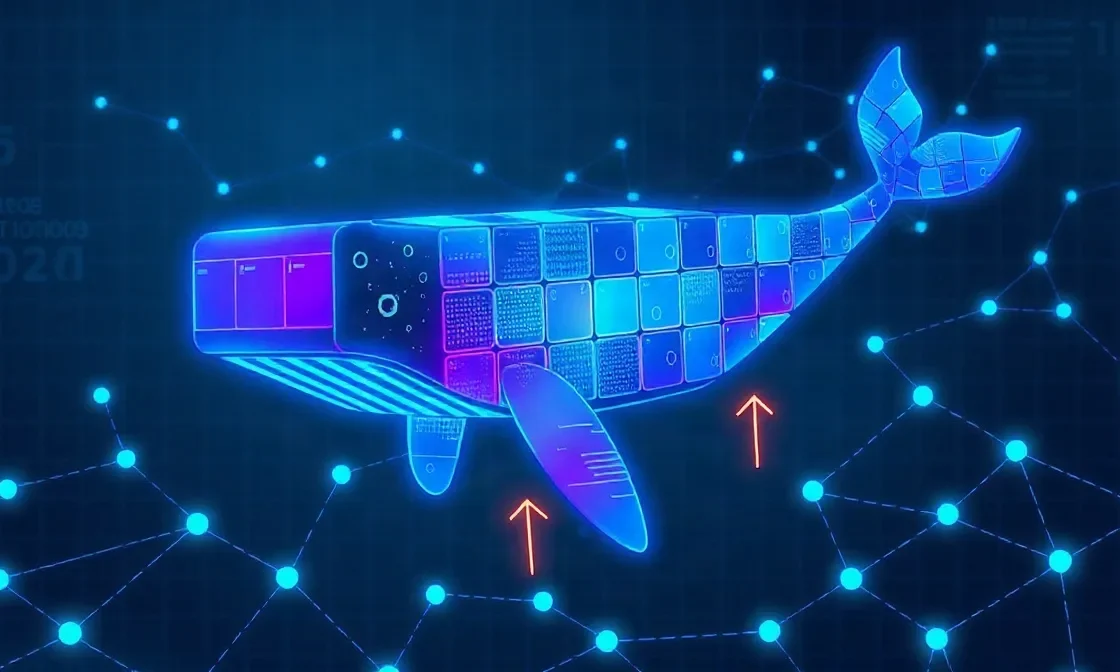
A crypto whale is an individual or entity that holds a very large amount of a particular cryptocurrency. There is no official threshold, but the term usually refers to wallets holding enough coins that their trades could noticeably move the market. For example, a whale in Bitcoin might control thousands of BTC, while in a smaller altcoin, even a few million dollars’ worth can make someone a whale.
Whales can be early investors, crypto funds, exchanges, or even governments. Because most blockchains are public, their wallets can be watched by anyone. This transparency has created a whole practice called on-chain tracking.
Why Track Whales?
Whale movements can hint at what large players are doing. If a whale moves a huge amount of a token to an exchange, some traders see it as a potential sell signal. If a whale moves coins from an exchange to a private wallet, it might mean they plan to hold long-term. These are not guarantees, but they are clues that many traders use alongside other analysis.
Tracking whales is also a way to understand market structure. For instance, you can see how concentrated a token’s supply is. If the top 10 wallets hold 80% of the supply, that token is highly centralized and vulnerable to large price swings.
How On-Chain Tracking Works
Every transaction on a public blockchain is recorded and visible to anyone. On-chain tracking tools aggregate this data and highlight large transfers. They don’t know who owns the wallets, but they can label some addresses as belonging to exchanges, funds, or known figures.
Here’s a simplified process:
- Identify whale wallets: Tools scan the blockchain for addresses with large balances or frequent large transactions.
- Label addresses: Analysts tag addresses they recognize, like Binance or Coinbase hot wallets.
- Monitor transactions: When a labeled whale wallet moves funds, alerts are sent to users.
- Interpret the move: Users decide what the move might mean based on context.
Popular Tools for Tracking Whales
Several free and paid platforms let you follow whale activity. Here are some well-known ones:
- Whale Alert: Tracks large transactions across multiple blockchains and posts them on social media.
- Etherscan: The leading block explorer for Ethereum. You can look up any address and see its transaction history.
- Nansen: A paid analytics platform that labels millions of wallets and provides dashboards for smart money flows.
- Arkham: Offers entity labeling and alerts on wallet movements.
- DeBank: Useful for tracking DeFi wallets and their positions across protocols.
Most of these tools have free tiers, so you can start without spending money.
Practical Steps to Start Tracking
If you want to track whales yourself, follow these steps:
- Pick a blockchain: Start with Ethereum or Bitcoin, as they have the most tools and data.
- Find whale wallets: Use a block explorer to look at the richest addresses. On Etherscan, you can view the top accounts by balance.
- Set up alerts: Many explorers and tools let you create alerts for specific addresses. You’ll get a notification when they move funds.
- Check the context: Look at where the funds are going. To an exchange? To a DeFi protocol? To a new wallet?
- Cross-reference with news: Sometimes a large move is tied to a known event, like a token unlock or a fund rebalancing.
For example, if you see a wallet that often receives tokens from a project’s team move 10 million tokens to Binance, it could signal a coming sell-off. But it could also be a routine transfer to a custodian. Always look for more evidence.
Common Risks and Mistakes
Tracking whales is not a crystal ball. Here are pitfalls to avoid:
- Misreading exchange flows: Not all transfers to exchanges are sells. Exchanges move funds between hot and cold wallets regularly.
- Wash trading: Some whales create fake volume by trading with themselves. This can make a token look more active than it is.
- Outdated labels: An address labeled as a whale might have changed hands. Always verify with multiple sources.
- Overreacting to single moves: One transaction rarely tells the whole story. Whales often use multiple wallets and over-the-counter desks to avoid detection.
- Ignoring market conditions: A whale’s move might be driven by personal needs, not market sentiment.
Remember, on-chain data is public but not always clear. It’s easy to jump to conclusions.
How to Use Whale Data Wisely
Whale tracking is best used as one input among many. Combine it with technical analysis, fundamental research, and risk management. Never make a trade solely because a whale did something. Instead, use whale activity to ask better questions: Why is this wallet moving now? What else is happening in the project?
Also, consider the size of the market. A $10 million trade is huge in a small-cap token but a drop in the ocean for Bitcoin. Context matters.
Summary
Crypto whales are large holders who can influence markets. Thanks to public blockchains, their moves can be tracked with free tools like Etherscan and Whale Alert. While tracking can provide useful signals, it’s important to avoid common mistakes like misinterpreting exchange transfers or overreacting to single transactions. Use whale data as part of a broader strategy, not as a standalone trading signal.
Disclaimer: This article is for information only and is not investment, financial or trading advice. Cryptocurrency prices are highly volatile. Always do your own research.