UK Court Orders Two Men to Repay £851,402 to Crypto Scam Victims
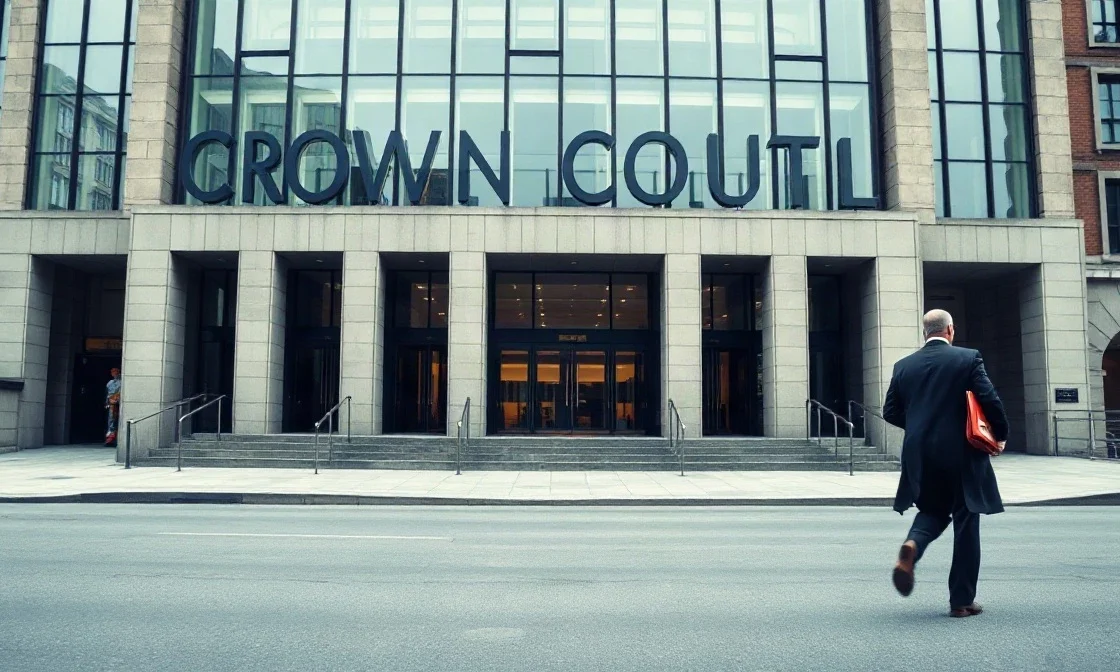
Two men convicted of running a fake cryptocurrency investment scheme in the UK have been ordered to repay £851,402.27 to the people they defrauded, Blockonomi reported.
The confiscation orders were made at a hearing at Southwark Crown Court on Sept. 28 and were sought by the UK Financial Conduct Authority. Raymondip Bedi must pay £603,404.28 and Patrick Mavanga must pay £247,997.99, according to both Blockonomi and News.bitcoin.
Key facts
- The combined repayment ordered is £851,402.27. At least 65 investors lost £1,541,799, so the orders cover only part of the losses.
- The scheme ran between February 2017 and June 2019, with the pair cold-calling people and pushing crypto investments that did not exist, run through companies including CCX Capital and Astaria Group LLP.
- Both men were convicted in 2024. Bedi was sentenced in July 2025 to five years and four months in prison; Mavanga received six years and six months.
- The orders were made under the Proceeds of Crime Act 2002, which requires an offender to pay the lower of the benefit gained from the crime or the value of their available assets.
- Bedi and Mavanga have three months to pay. Failure could add up to five years to Bedi’s sentence and two years to Mavanga’s.
How the scheme reached investors
According to the FCA’s account of the 2024 convictions, the two men cold-called consumers and used a professional-looking website to promise high returns. The investments they were selling were not real. Bedi pleaded guilty to conspiracy to defraud, conspiracy to breach the general prohibition under the Financial Services and Markets Act 2000, and money laundering offenses. Mavanga pleaded guilty to conspiracy to defraud, conspiracy to breach the same prohibition, and to possessing false identification documents with improper intent.
News.bitcoin, which reported the Sept. 29 ruling under its Regulation & Legal section, notes that the FCA pursued the repayment orders after the prison sentences had already been imposed in July 2025. The outlet’s account matches Blockonomi’s on the amounts ordered and on the £1,541,799 figure for total investor losses.
Steve Smart, the FCA’s joint executive director of enforcement and market oversight, said the two men defrauded investors and left them out of pocket, and that the orders bring victims a step closer to getting money back.
Why it matters
Confiscation orders are a separate track from criminal sentencing: a prison term does not automatically return money to victims, so the FCA had to bring a second action to identify and seize recoverable assets. In this case the recoverable total is roughly half of what investors put in, and the FCA says how much each person receives will depend on how much money is ultimately collected.
The regulator says it has identified and contacted victims, and that anyone affected who has not heard from it can contact the FCA Consumer Helpline. It has also warned that criminals pose as officials offering to help recover stolen funds, a secondary scam that often targets people already on a published victim list.
Cold calls and unusually high promised returns remain the standard warning signs in crypto investment fraud, and the pattern in this case — unsolicited contact, a polished website, non-existent products — is the same one the FCA has flagged in other enforcement actions.
What to watch
The three-month payment window is the immediate test. If the men do not pay, the FCA can seek additional prison time, and the size of the eventual victim payout will only become clear once the agency reports what it has actually recovered.
Disclaimer: This article is for information only and is not investment, financial or trading advice. Cryptocurrency prices are highly volatile. Always do your own research.
Sources: Blockonomi, News.bitcoin