Coinbase Teases Pokémon Packs Backed by Physical Cards
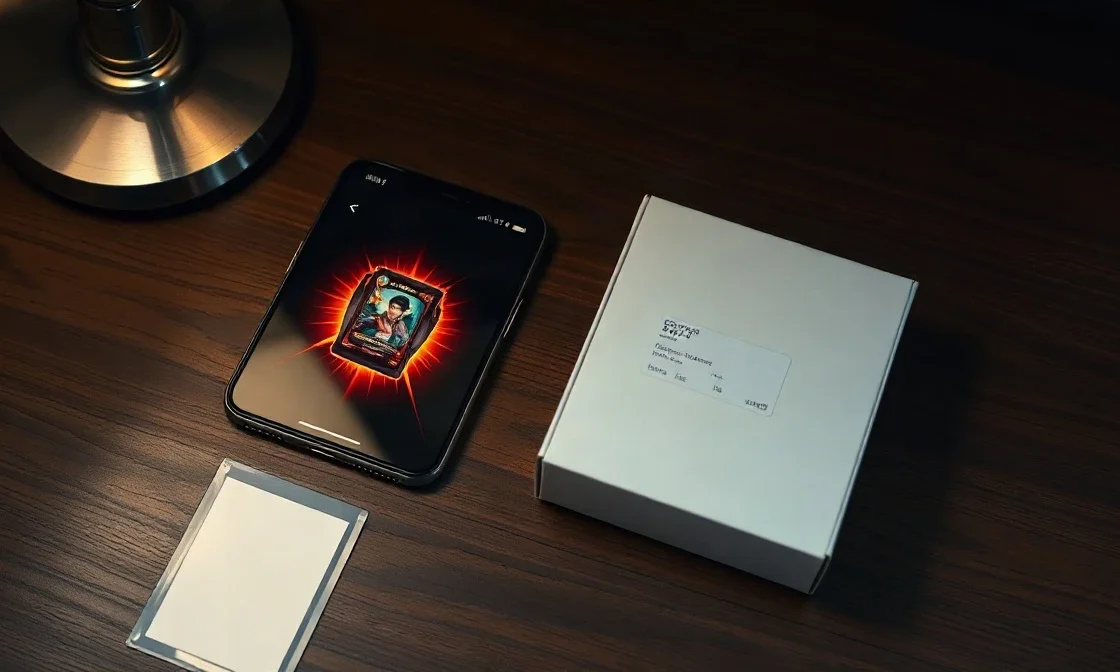
Coinbase plans to let customers open Pokémon card packs on their phones, with each digital pack backed by a real, physical trading card, according to Blockonomi. The exchange teased the product on Sept. 28, 2026, and later confirmed the Pokémon link in a reply to a user on X.
The pitch is narrow and concrete: rip a pack on a screen, then choose vault storage or ask for the card to be shipped home. What it is not yet is priced. Coinbase has not disclosed pack prices, pull odds, fees, storage charges, eligible countries or a launch date, and no licensing arrangement with The Pokémon Company has been announced, Blockonomi reported.
Key facts
- Coinbase teased physically backed Pokémon pack openings on Sept. 28, 2026, offering vault storage or home delivery.
- Promotional artwork showed five Pokémon-themed packs numbered 01 through 05 in different colors, with no explanation of what the colors mean.
- GameStop opened its Power Packs to the public on April 15, 2026, selling digital packs of PSA-graded physical cards priced from $25 to $2,500.
- Courtyard holds each physical card in custody, issues an NFT representing that exact card, and burns the token when the card is redeemed for delivery.
- Phygitals advertises instant buybacks at 85% to 90% of a card’s estimated fair market value, and News.bitcoin reported the platform also advertises publicly verifiable randomness.
An outline, not a rulebook
Coinbase’s announcement described the shape of a product rather than the terms of one. The artwork suggested variety across the five packs, but Blockonomi noted the exchange has not said whether the colors stand for price tiers, card categories or something else. The first written announcement avoided the word Pokémon; the follow-up on X supplied it. Resale features were left unconfirmed in both places.
That gap matters to anyone comparing the offer with existing services. Collecting a card and trading it are different propositions even when both happen on the same screen, and the ability to move a card on is often the part collectors care about most.
Competitors are already selling
Coinbase is entering a market with operating players. GameStop’s Power Packs contain physical cards graded by PSA, a company that checks authenticity and condition. Categories span Pokémon, football, basketball and baseball, and customers can sell cards back, arrange delivery or keep them vaulted. GameStop’s launch materials describe real cards and custody but do not describe an NFT system, according to Blockonomi — a distinction that shows digital pack opening does not automatically mean blockchain ownership.
Courtyard represents the blockchain version. A physical collectible sits in custody while a non-fungible token stands in for that particular item, so ownership can change without a fresh shipment each time. Redeeming the physical card requires identity verification and payment of shipping costs and taxes, after which Courtyard destroys, or defeats, the token so no digital claim remains attached to a card that has left storage. News.bitcoin described the token as a transferable digital claim attached to a specific card, and noted Courtyard’s redemption documentation spells out that trade-off.
Phygitals takes a different approach on pricing risk. Its buybacks pay between 85% and 90% of a card’s estimated fair market value — on a card valued at $100, that is $85 to $90 — a percentage that follows the card’s value rather than the price paid for the pack. News.bitcoin flagged that the platform’s verifiable randomness addresses how a result was selected, not whether inventory records are complete, valuations are accurate or the physical merchandise is safely held, and that a randomly drawn card can be worth less than the pack cost.
Why it matters
Coinbase has tied the teaser to its “Everything Exchange” plan, which aims to push the company beyond conventional cryptocurrency trading. Collectibles fit that idea because ownership can move independently of the object, letting a card pass between collectors while staying on the same shelf.
The shift also moves who the customer has to trust. Someone still has to authenticate each card, protect it, keep records straight and ship the right item on request. Blockchain records can help track ownership, but the storage and shipping work still falls to people and companies — and Coinbase has not named its custody provider or confirmed grading standards like PSA.
News.bitcoin noted that knowing Coinbase, a blockchain is likely in the cards, though the exchange has not confirmed whether ownership will be recorded on a network.
What to watch
The unanswered items are the story: pack prices, pull probabilities, storage charges, shipping arrangements, eligible jurisdictions and a launch date. A licensing deal with The Pokémon Company remains unannounced, and until those terms surface, customers cannot judge whether this is a convenient collecting experience, access to a trading market, or both.
This article is not financial advice, and markets for collectibles and digital assets are volatile and uncertain.
Disclaimer: This article is for information only and is not investment, financial or trading advice. Cryptocurrency prices are highly volatile. Always do your own research.
Sources: Blockonomi, News.bitcoin