Binance Plans Five Asian Markets in 2027 After $6.3B Hack
In this article5 sections
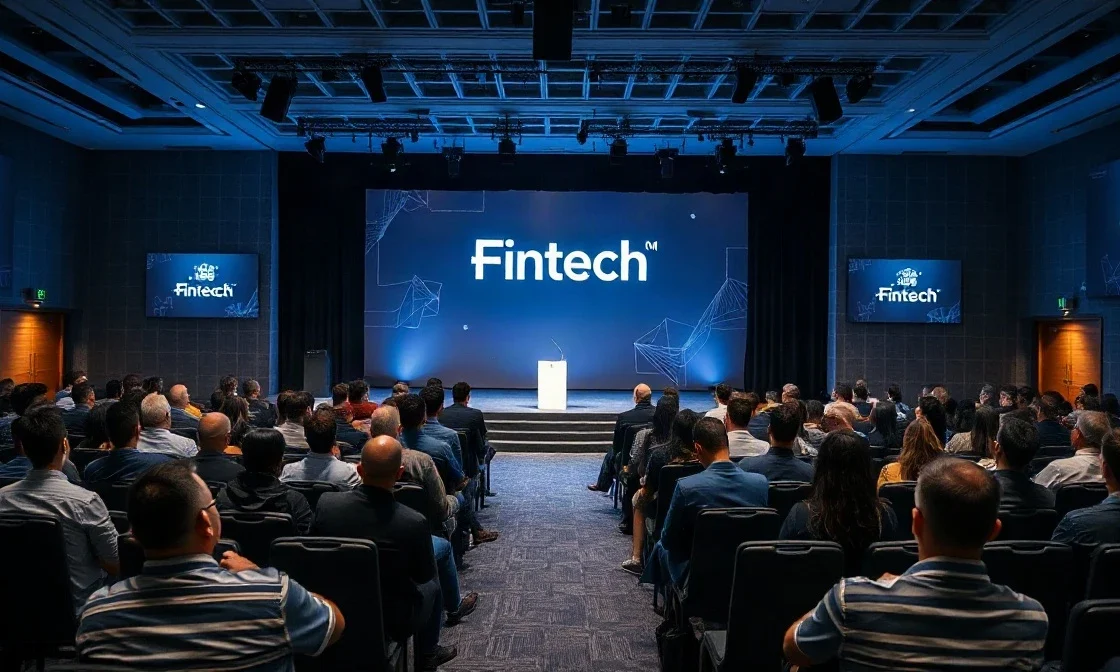
Binance intends to enter five new Asian markets in 2027, prioritising South and Southeast Asia, its Asia Pacific business head SB Seker said at the Singapore FinTech Festival on November 18, according to Blockonomi. The plans follow an October theft that the exchange values at $6.3 billion.
Seker said the company can absorb the financial impact without raising fresh capital. Talks cover five or six markets, with three discussions already advanced, and Binance expects to share further details in the first quarter of next year. Destination countries remain undisclosed, and the report does not establish that approvals have been secured.
Key facts
- Seker outlined plans for five new Asian markets in 2027, with South and Southeast Asia taking priority, speaking at the Singapore FinTech Festival on November 18.
- Binance says it committed more than $6.34 billion to replace assets affected by the October hack, drawing on the Secure Asset Fund for Users, surplus futures insurance resources, and corporate treasury holdings.
- The exchange contacted regulators in Japan, South Korea, Australia, Thailand, and New Zealand within 36 to 48 hours of the incident, according to Seker.
- A reserve snapshot published on November 12 covered 198 tokens, taken at midnight UTC that day.
- Binance holds operating licences in more than 10 jurisdictions and names the Financial Services Regulatory Authority of Abu Dhabi Global Market as its primary regulator, TheNewsCrypto reported.
Disclosure limits behind the fundraising claim
Seker said Binance withholds profit, balance sheet, and cash flow statements, including from investors, and that public disclosures focus on customer assets through proof of reserves. Blockonomi noted that a 2023 PCAOB investor advisory explained reserve reports are not audits, may omit liabilities, and cannot establish the effectiveness of internal controls. That distinction bears on how the no-new-fundraising claim can be assessed.
TheNewsCrypto reported that the FBI and Binance attributed the attack to North Korea, while Pyongyang denied responsibility. Both outlets describe recovery in stages. TheNewsCrypto said withdrawals resumed after covering 95% of the stolen tokens, with the exchange aiming to restore them across all remaining networks and assets by the end of this week; Blockonomi reported that on November 4 the exchange said it had replaced approximately 98% of the affected amount, and that on November 12 it said replacement was complete.
Security review and reserves
Binance committed part of its SAFU emergency reserve to compensation and pledged to rebuild it to approximately $1 billion. The exchange said its insurance allocation preserved the amount required under its risk framework. An earlier company update said investigators were reviewing signing policies, hot wallet controls, and the response process, and that roughly $3 billion in affected assets had been frozen with help from blockchain partners. In its November 3 report, Binance said it had rebuilt systems used in the attack, tightened device controls, expanded behavioural monitoring, and engaged independent security firms, classifying those findings as preliminary.
Why it matters
The expansion would extend Binance’s regulated footprint across Asia while it is still answering questions about how the October breach was contained. Reserve attestations and full financial statements answer different questions about an exchange, so customers and counterparties have limited public data on the balance sheet behind the no-fundraising statement. For regulators in the target markets, the record of how quickly Binance engaged supervisors after the theft is now part of the licensing conversation.
What to watch
Binance has said it will provide more detail on the expansion in the first quarter of 2027. The phased restoration of withdrawals across remaining networks and assets, and the rebuilding of SAFU toward its stated target, are the operational milestones to track before then.
Disclaimer: This article is for information only and is not investment, financial or trading advice. Cryptocurrency prices are highly volatile. Always do your own research.
Sources: Blockonomi, TheNewsCrypto