CFTC Investigates Adam Kinzinger Over $823 in Kalshi Pardon Trades
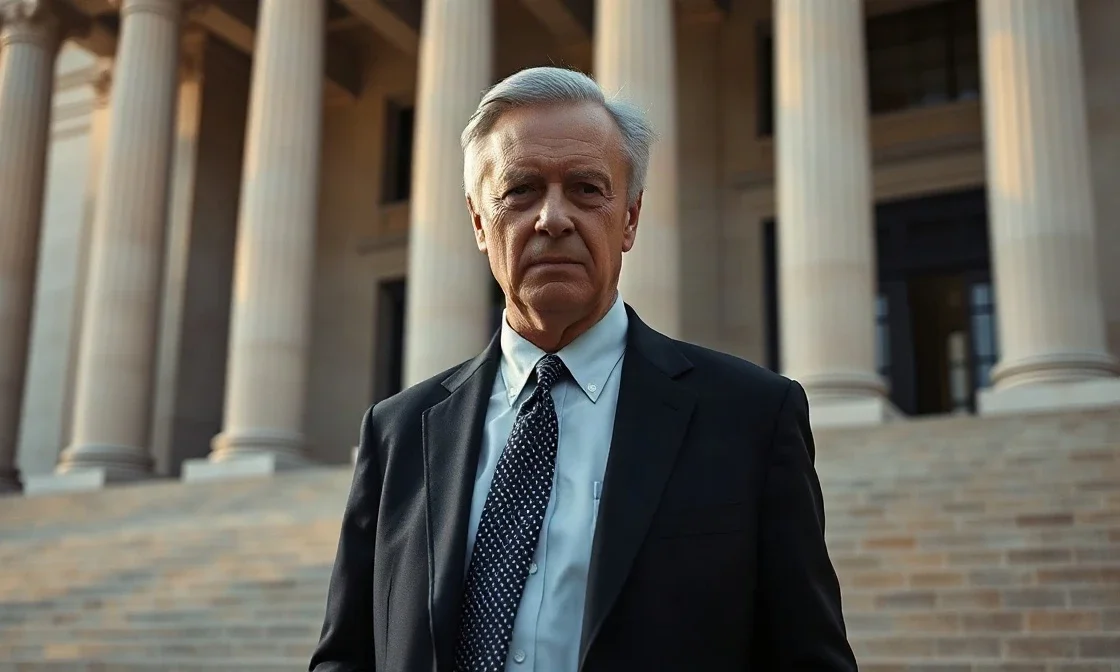
The Commodity Futures Trading Commission is examining prediction market trades made through a Kalshi account linked to former Republican Representative Adam Kinzinger, tied to the presidential pardon he received from Joe Biden, according to Cryptobriefing. The trades were placed in December 2024 and January 2025, weeks before Biden issued a wave of preemptive pardons as his presidency ended.
Kinzinger, who retired from Congress in 2023 and sat on the House January 6 committee, says he netted $823 on the positions. He says he had no inside information and reviewed Kalshi’s posted trading rules before placing the bets. Neither the CFTC nor Kalshi has contacted him directly about the probe, he said, and neither has commented publicly on it.
Key facts
- Kinzinger says he made a total profit of $823 and executed approximately 25 trades across the relevant window, with most of them losing money and the net gain coming from a couple of winning positions.
- One contract was directly tied to whether Kinzinger himself would receive a pardon; a second covered whether Biden would issue preemptive pardons generally.
- The CFTC has previously taken enforcement action over self-interested trading on Kalshi, including cases involving political candidates trading on their own races.
- Kalshi suspended three congressional candidates in April over bets on their own races, and in late August issued a lifetime ban against former New York Republican Representative George Santos.
- Kinzinger described Kalshi as a “corruption time bomb” in a Substack post on November 25, 2025, arguing that allowing insiders to bet on officials’ conduct was a blueprint for legalized corruption.
A trading record Kinzinger says was mostly losses
Kinzinger has been open about the positions themselves, which he says he placed as a private citizen two years removed from office, not as a congressman or a candidate. According to Cryptobriefing, he reviewed Kalshi’s guidelines beforehand and maintained he discussed the pardons with no one.
Kalshi’s own rules prohibit participants from trading on contracts where they have influence over the outcome, and the CFTC bans the use of material nonpublic information on the markets it regulates. The question the agency appears to be weighing is whether a person who could plausibly be involved in discussions about his own pardon falls into that category.
Kalshi has also reportedly been running its own compliance assessments and has flagged certain trading activity to the CFTC for review, Cryptobriefing reported.
The details other outlets added
Cryptopolitan reported that three anonymous informants described the investigation, and that two of them said Kalshi is looking into the same transactions on its own. Decrypt reported that Politico first disclosed the probe, citing three people with knowledge of the matter, and that the White House declined to comment. Kinzinger told Politico he read Kalshi’s rules to bar trading only where a user works for the relevant agency, can sway the outcome, or holds non-public information about a contract.
The reports also differ in emphasis: Decrypt tied the CFTC’s recent posture to a staff warning that contracts settling on the words or conduct of a named individual should be presumed open to manipulation, issued about a month after the agency fined a former White House teleprompter operator $172,000. Cryptobriefing framed the same scrutiny around the CFTC’s broader advisory that the Commodity Exchange Act’s prohibitions on trading with material nonpublic information apply to event contracts. Both details appeared in only one outlet.
On the political side, Cryptopolitan reported that Trump called the January 6 committee pardons “void” in a March 2025 Truth Social post and said recipients were subject to investigation at the highest level, and that Kinzinger responded on X. Kinzinger has also softened his public position on Kalshi, saying, according to Cryptopolitan, that he is pleased with how the platform has begun screening.
Why it matters
The investigation sits at a line regulators have not finished drawing: the gap between an informed participant and an insider in markets that settle on real-world events. Kalshi already fought and won a court battle with the CFTC over its right to offer election contracts, and each new self-dealing case adds pressure for a clearer federal rulebook. The precedent matters beyond one account, because the agency’s treatment of a small $823 profit will signal how aggressively it intends to police contracts tied to named individuals.
What to watch
The probe remains in its early stages, with no public comment from the CFTC or Kalshi and no formal enforcement action yet. A decision on whether the agency pursues sanctions, and Kalshi’s own compliance findings, are the next concrete markers.
This is not financial advice, and prediction and crypto markets are volatile and uncertain.
Disclaimer: This article is for information only and is not investment, financial or trading advice. Cryptocurrency prices are highly volatile. Always do your own research.
Sources: Crypto Briefing, Cryptopolitan, Decrypt