Binance Pay Users Can Spend USDT at PayPay Shops in Japan
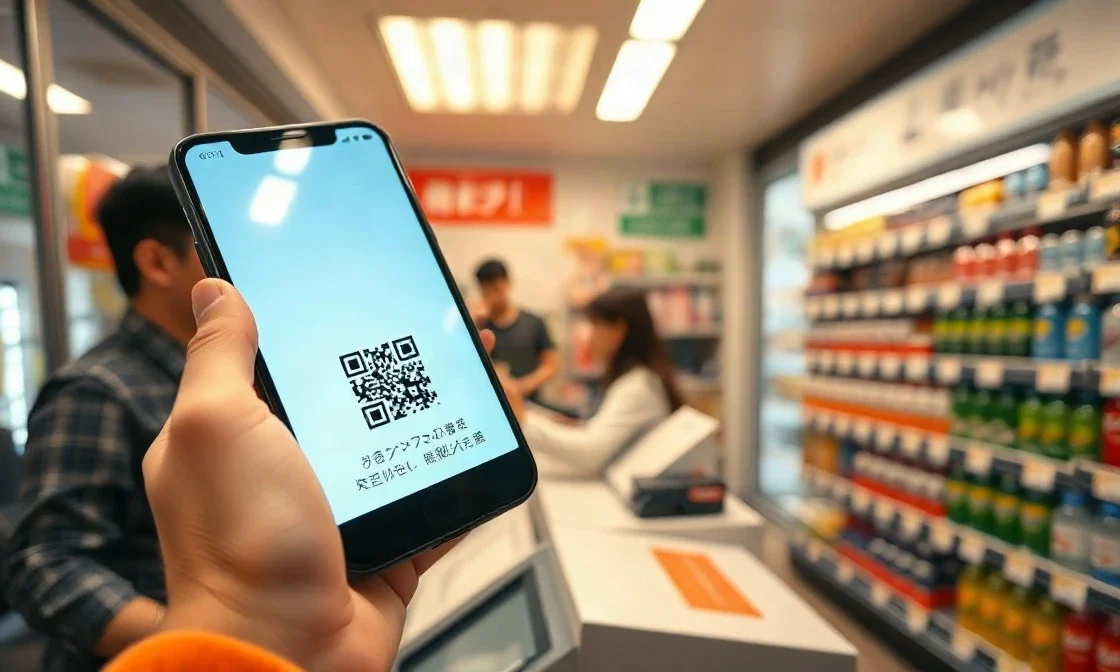
Eligible overseas users of Binance Pay can now spend USDT at the vast majority of PayPay-supported merchants in Japan, with stores still settling in yen, according to Cryptobriefing. The service runs through HIVEX, the interoperability layer built by TBCASoft that connects digital-asset wallets to Japan’s dominant mobile payment network.
Cointelegraph reported the rollout as starting Wednesday, September 30, 2026, and said Binance told it the company is the first crypto payment service to reach PayPay-supported merchants through HIVEX. Cryptobriefing, which dates the announcement to early August 2026, put Binance Pay’s currently eligible user base at roughly 48 million. Both outlets describe the same mechanism: QR-code payments converted to yen at the point of sale.
Key facts
- PayPay is accepted at millions of locations in Japan, including major chains, smaller retailers, vending machines, taxis and public transportation, per Cointelegraph.
- HIVEX has linked overseas QR wallet services to PayPay merchants since its 2023 launch, and lists nine other overseas payment services, mostly from China, Hong Kong and Taiwan.
- Binance Pay handles user-side compliance such as KYC verification and sanctions screening, while HIVEX and local partners manage merchant-side regulatory requirements under Japanese law, Cryptobriefing reported.
- Binance has offered fiat deposit and withdrawal through Japanese payment channels since 2025, and its global account base exceeds 300 million, according to Cryptobriefing.
- Cointelegraph reported that Japan drew a record 42.7 million international visitors in 2025, while arrivals in August 2026 fell 9.6% year on year to 3.1 million.
What changes for shoppers and shopkeepers
The practical effect is a QR-code bridge rather than new hardware. A customer scans a code at a participating merchant, HIVEX handles the conversion from digital assets to yen, and the store’s register sees a normal PayPay transaction. Both customer-presented and merchant-presented QR formats are supported, which covers essentially every way a PayPay payment can happen at a counter.
That design means merchants already accepting PayPay do not need to make technical changes or opt in separately, Cointelegraph reported. Nobody at the till has to be told the money arrived as a stablecoin, because it does not arrive that way.
Why it matters
Stablecoin payments have mostly been tested where crypto rails are unavoidable, such as remittances and cross-border settlement. Plugging a crypto wallet into an incumbent consumer QR network moves the test into everyday retail, and it does so for visitors rather than residents, leaning on tourism spending as the entry point.
For Japan, the appeal is a tourist base that already expects to pay by phone. PayPay’s existing overseas wallet relationships through HIVEX mean the compliance and settlement plumbing predates this deal; Binance Pay adds crypto-native users to a pipe that was already built for foreign apps.
Whether that becomes a template for other markets depends on how narrowly eligibility is drawn. Cryptobriefing frames the 48 million figure as the current eligible base inside a much larger global account count, so expansion of eligibility, not new merchant coverage, is the lever that would change the service’s reach.
What to watch
Watch for any widening of Binance Pay eligibility beyond the initial group, since the merchant side requires no further work. The next hard data point on whether the service has room to grow is Japan’s inbound tourism trend, with Cointelegraph noting August 2026 arrivals down 9.6% year on year and the first eight months of 2026 at 27.6 million, down 2.7%.
Disclaimer: This article is for information only and is not investment, financial or trading advice. Cryptocurrency prices are highly volatile. Always do your own research.
Sources: Crypto Briefing, Cointelegraph