Cashu debuts tap-to-pay card for offline Bitcoin ecash
In this article5 sections
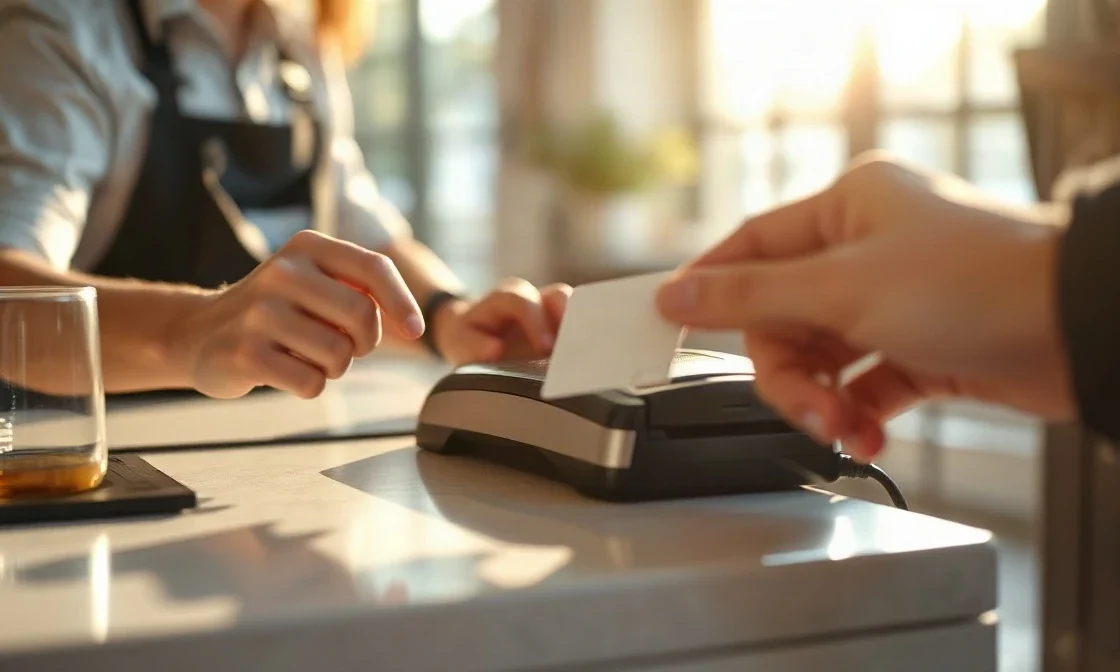
Cashu has released an experimental physical card that lets people pay with Bitcoin-backed ecash by tapping, without either side needing an internet connection at the counter. The open-source protocol’s card was reported by Crypto Briefing on Thursday.
The project attacks a familiar problem for Bitcoin payments at retail: Lightning settles quickly, but both payer and merchant normally have to be online. Cashu’s card is designed for the moments when the connection is not there.
Key facts
- Ecash is stored on a JavaCard chip in up to 128 slots, which a wallet fills when loading the card.
- Each tap generates a single signature that burns the tokens being spent, under a draft specification known as NUT-CCP.
- The cards use dual-interface NXP J3R180 smart cards; blank versions sell on Amazon in packs of 2 or 5 at roughly $9 each.
- Users install the open-source application themselves, with the applets hosted at cashucard.org.
- Merchants settle tapped tokens with the issuing mint after their terminal reconnects, and the project says end-to-end testing has so far been limited.
What the card does at the counter
Cashu is a Chaumian ecash protocol built for Bitcoin and the Lightning Network. Tokens are issued by a mint, which holds the underlying Bitcoin in a role resembling a vault. The card turns those bearer tokens into something a terminal can read with a tap, and value changes hands offline.
Two existing Cashu mechanisms carry the privacy and security load. Blind signatures let the mint sign tokens without linking them to whoever spends them later. Pay-to-public-key spending conditions lock tokens to a specific key, and on this card that key sits on the chip and is never released — so the card itself has to sign any spend, and copying the token data alone should not be enough to drain a balance.
The setup is not a shrink-wrapped product. Buyers obtain blank smart cards and write the open-source application onto them. The Amazon listing names both the dual interface and the default SCP02 keys, details that matter to anyone planning to load software onto the chip.
Trade-offs Cashu states openly
The project’s documentation lists the downsides plainly. A lost card means the balance on it is gone for good. Ecash still rests on the issuing mint staying solvent and honest, and the card does not change that — it only lets tokens move without a connection. For merchants, settlement comes after the tap, so an offline payment leaves them exposed to double-spending until they reconnect and redeem. The on-chip burn is meant to stop the same tokens being spent twice, but the merchant only gets final confirmation once the mint accepts the tokens, a gap the documentation flags.
The card is one part of a wider Cashu effort on offline and contactless payments, with further projects, including merchant applications, planned.
Why it matters
Card and terminal payments are the default at most shop counters, and bitcoin has struggled to fit that flow because of connectivity requirements. A chip that holds spendable ecash offline narrows the gap for small in-person purchases, at the cost of pushing custody and settlement risk onto the mint and, briefly, onto the merchant. It also shows how bearer-token designs are being adapted to ordinary retail hardware rather than left as software experiments.
What to watch
Testing of the cards remains limited, so the next signal is broader end-to-end trials and the merchant applications Cashu says are planned — and whether mints and card issuers publish how they handle double-spend disputes during the offline window.
Disclaimer: This article is for information only and is not investment, financial or trading advice. Cryptocurrency prices are highly volatile. Always do your own research.
Source: Crypto Briefing